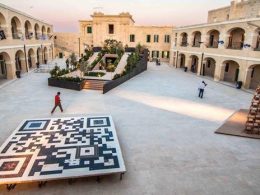



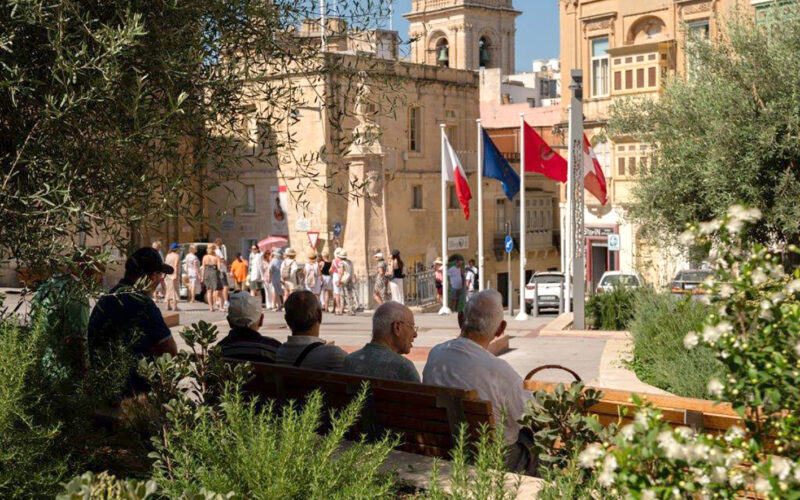
Studjurban, a boutique architectural and urban design firm, recently took home the Gold Award for Local Cultural Contributor at the Malta Business Awards, organised by the Malta Chamber of SMEs. Their winning project: Pjazza Vittoriosa – Vittoriosa’s iconic square that has become a meeting point, a playground for history and a place where the community gathers since undergoing a four-year regeneration project.
The accolade recognises the firm’s unwavering commitment to bringing cultural sensitivity and functional design together, turning civic spaces into environments that are historically grounded, socially engaging and visually striking.
“For Studjurban, these projects are never just about architecture but also about the people. We go beyond design because we seek to turn these landmarks into meaningful spaces where communities can live, interact and connect with their heritage,” perit Antoine Zammit, founder of Studjurban, said.
“Winning this award is a recognition of the team’s dedication to thoughtful, culturally resonant urban design.”
The regeneration of the Vittoriosa square, together with the redesign of Mosta’s main square, were particularly instrumental in earning this recognition. Both projects showcase Studjurban’s philosophy of creating liveable, culturally resonant spaces.
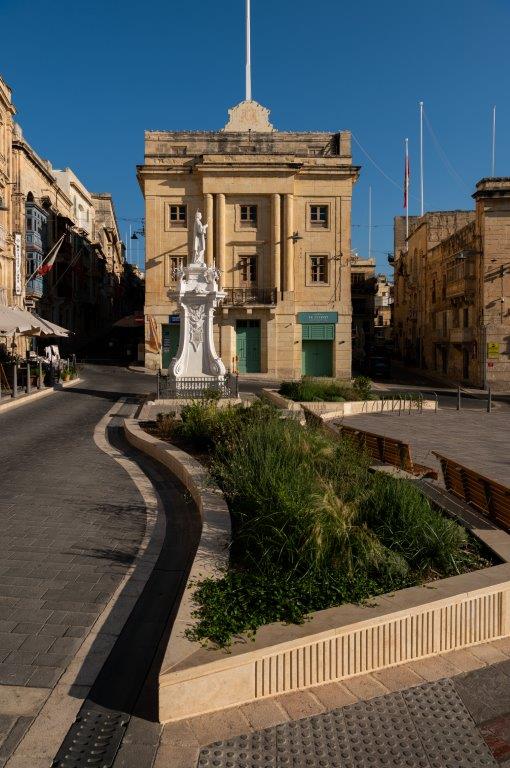
‘The heart of the community’
According to Vittoriosa mayor John Boxall, the new square has managed to capture the spirit of the firm’s work.
“Pjazza Vittoriosa has always been the heart of the community. I always felt that a locality’s square should serve as a meeting place where residents can interact and enjoy their surroundings. This is why I always pushed for Birgu’s main square to be returned to the people,” he said.
“I am not a politician, but in my opinion, this is the best way to conduct politics. And with the help of Studjurban, we managed to strike the perfect balance between all the stakeholders’ expectations.”
Boxall recalled how his vision for the square was inspired by a visit to Arles, France, 17 years ago, where he had seen a main square embellished with historic artefacts.
“I realised that with all the history present in our square, we could be doing the same.”
Central to the project was the original clock tower, whose mechanism and minute hand are now preserved in the Auberge de France.
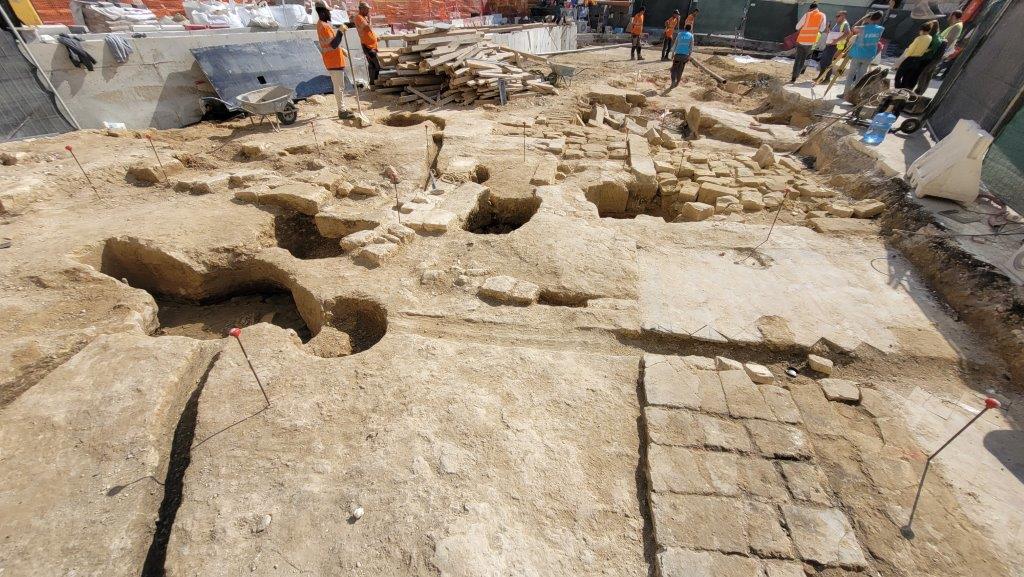
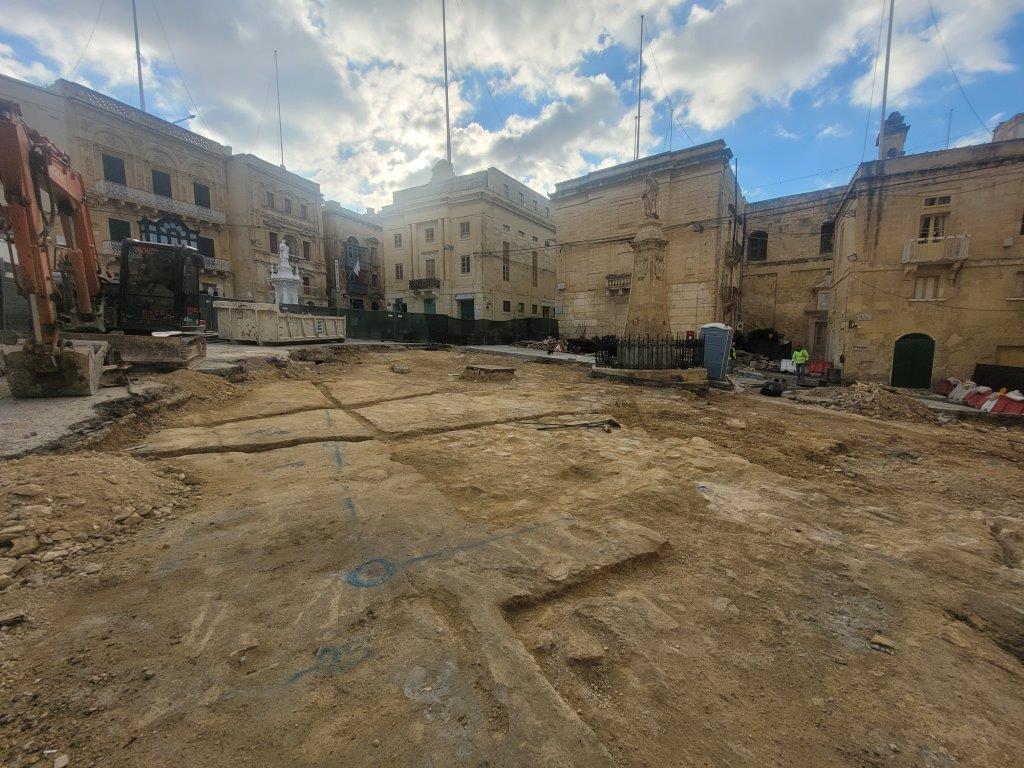
During the works, the team uncovered the tower’s foundations along with a massive water reservoir, medieval houses, rainwater channels and ancient culverts.
“Thanks to Studjurban’s ingenuity, the reservoir was restored and made functional with the introduction of an oil and grit separator, allowing the collected water to be reused for irrigation.”
Boxall credited the project’s success to one core principle: open communication.
“A community project needs to involve all the community, and this means keeping open channels with all stakeholders. We knew the changes would affect everyone differently, so we made sure communication was constant and open.”
“A community project needs to involve all the community”
Studjurban’s previous experience with Mosta Square proved invaluable. That project, while sparking debate due to its size and the presence of the main parish church, taught the team the importance of involving everyone, from shopkeepers and band clubs to feast organisers, residents and tourists.
“The project here in Birgu was smaller and more manageable and I think that controversy was avoided because residents were informed and included in every step of the way,” Boxall noted.
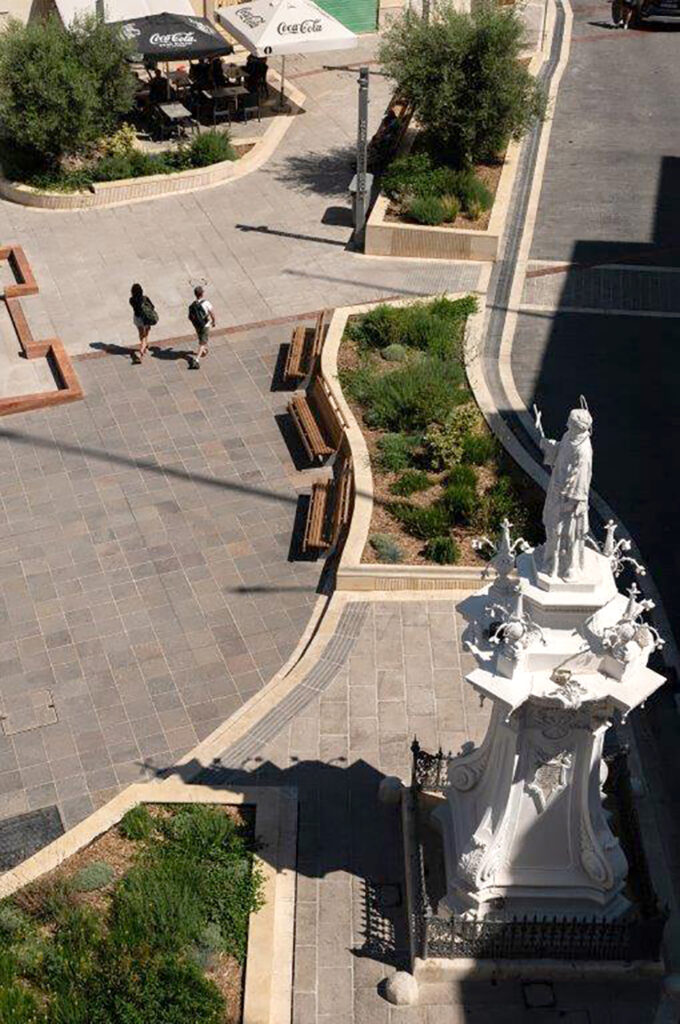
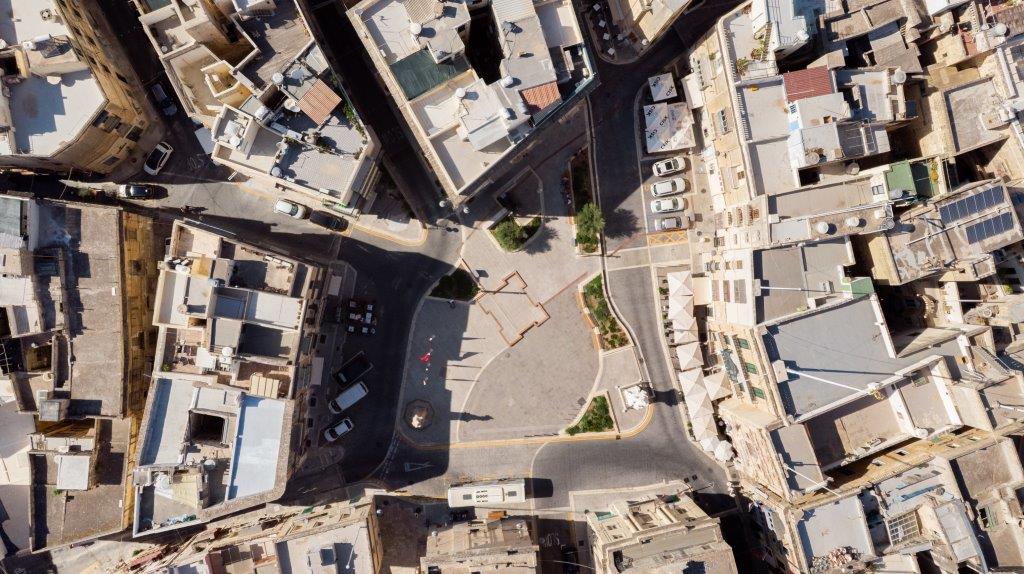
Before the redesign, the square was dominated by cars: only 23% was available for pedestrians, and vehicular space accounted for the rest. Today, more than half of the square, 56.5%, is dedicated to pedestrians, with car space reduced to 43.46%.
‘An intensive and delicate project’
Although intensive, the four-year pjoect was a source of immense satisfaction for all the team at Studjurban.
“We managed to create a meaningful, liveable space for the community and had the rare opportunity to witness the layered heritage beneath this historic piazza,” explained senior associate architect Dorianne Cachia.
Cachia was no stranger to Vittoriosa, having worked on the regeneration of the Collacchio area with the Restoration Directorate. That experience, she said, helped her manage the project’s multidisciplinary demands, which required close coordination with Infrastructure Malta, the Superintendence of Cultural Heritage, engineers from different disciplines, project managers, service providers and contractors.
“Personally, this project brought a sense of closure because it enabled me to create a seamless link between the square and the rest of the Collacchio. From an urbanistic perspective, different areas of the city now speak the same language,” she said.
For Shannon Farrugia, Studjurban’s senior architect and urban designer, one of the greatest challenges lay in managing the square’s sharp incline and adapting designs to the continuous historical discoveries unearthed during works.
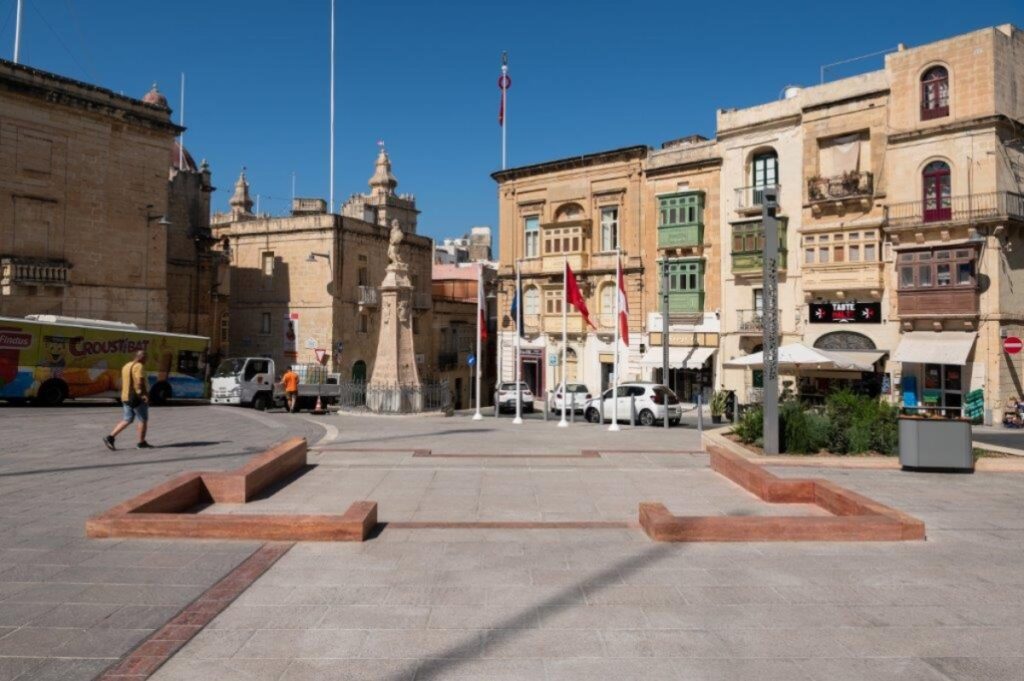
“A key feature of the design is the subtle tracing of the original footprint of the former clocktower and the adjoining building, which dominated the square for centuries before collapsing during World War II.”
“We recreated this presence through a red travertine composition of trims, kerbs and extrusions, adding a symbolic layer that grounds the new piazza in its historical narrative. This detail also encloses a stepped gathering area, reinforcing the site as a place of social engagement.”
Archaeological remains, dating back to the knights’ era and even earlier, revealed how people once lived, how sanitation worked and how water was safeguarded in the fortified city.
“Our biggest contribution was ensuring that the reservoir beneath the square could once again harvest water, easing rainwater run-off and making it reusable,” Shannon noted.
At one point, workers uncovered a medieval house several metres below street level, complete with original tiles, rainwater channels and functioning culverts.
“While most remains could not be left visible, we retained their memory by mapping parts of the original structures into the final design through material choices,” she added.
Working in such a confined site presented another layer of difficulty.
“Urban design requires sensitivity to how people live and experience their surroundings. Coordinating this project in such close quarters, while ensuring uninterrupted access for residents, taught us a great deal about urban liveability,” Cachia said.
With the project now complete, the Studjurban team is filled with pride.
“We’re honoured to have contributed to this national landmark. But our greatest reward is seeing Birgu’s people enjoy their square as part of daily life, in a complete way.”