
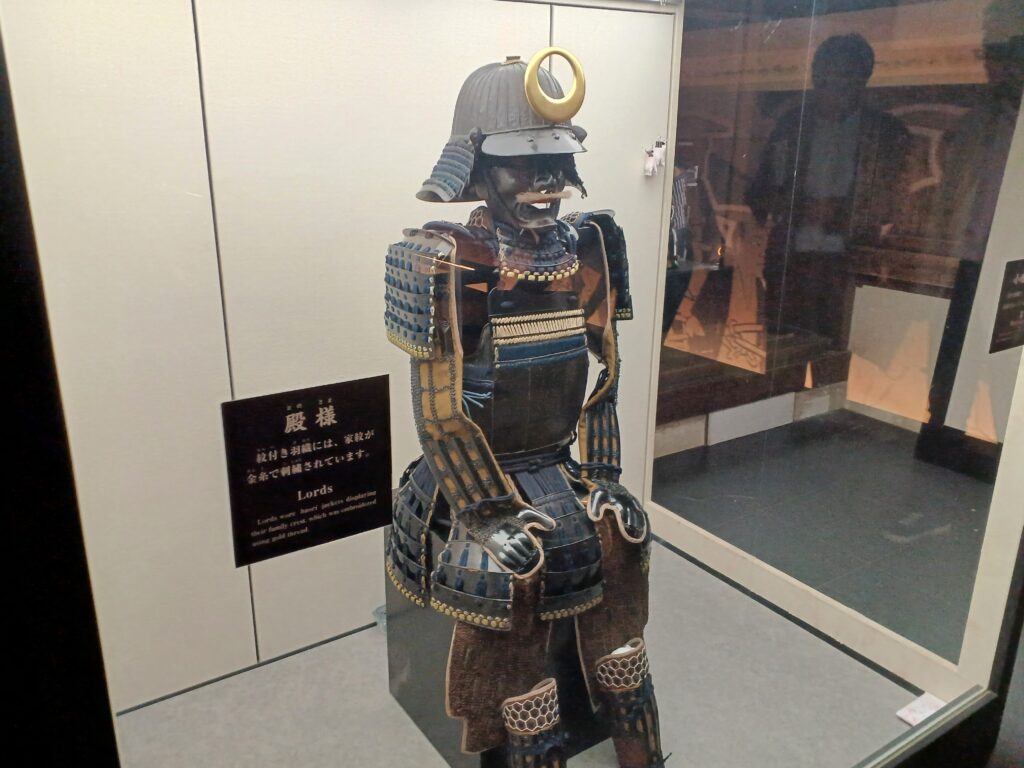
Three recently restored Samurai armours from Malta’s national collection are currently on display together for the first time in Japan, at the iconic Himeji Castle, a UNESCO World Heritage Site, where they will remain exhibited until December 26.
The armours form part of the exhibition The Samurai and the Knight of Malta, a legacy exhibition of Expo 2025 Osaka Kansai.
Officially inaugurated in late October by Malta’s Ambassador to Japan, André Spiteri, with the mayor of Himeji, Hideyasu Kiyomoto, the exhibition brings together Japanese Samurai armour and Western armour of the Knights of St John dating to the early 17th century.
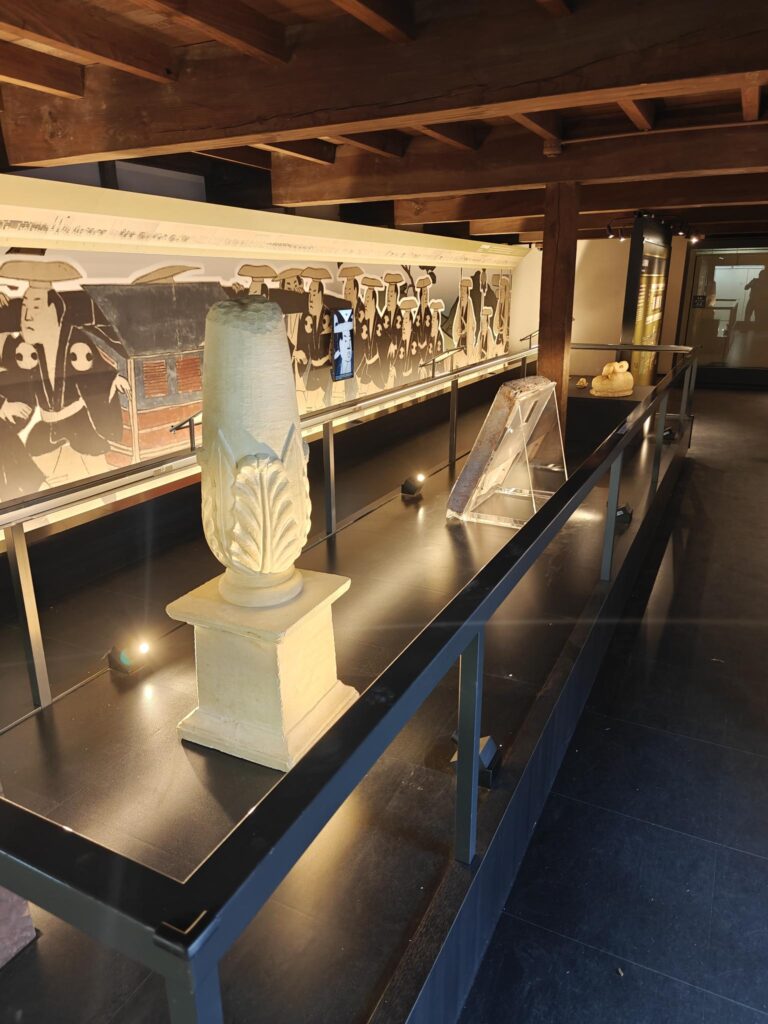
It also features replicas of key Maltese national artefacts reflecting Malta’s multilayered history, including the prehistoric Seated Figure and Sleeping Lady, the Cippus from the Phoenician period and the Majmuna Stone from the Arab period.
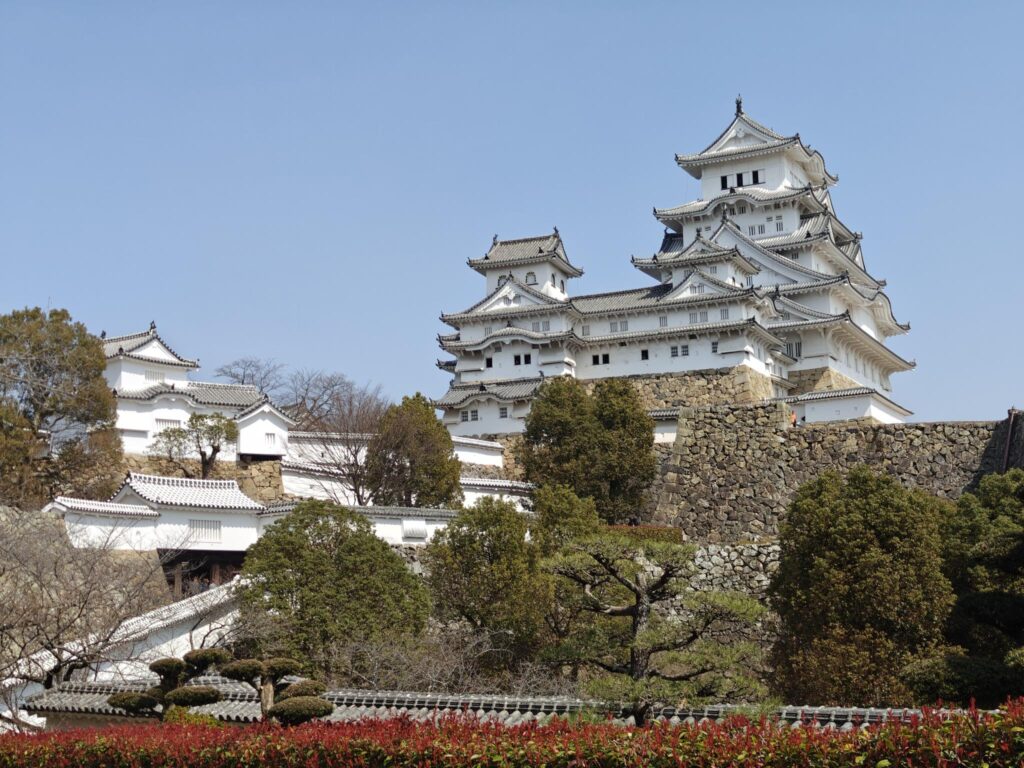
Himeji Castle, regarded as Japan’s finest surviving feudal castle and one of its most visited heritage sites, offers a particularly meaningful setting. All three Samurai armours were crafted by the Myōchin family, renowned armourers who also operated workshops in Himeji, creating a historical connection between the artefacts and the host city.
The three sets of Samurai armour, donated to Malta in 1862 during the Bunkyu Mission to Europe – the first recorded visit of Japanese people to Malta – were meticulously restored and reassembled by Japanese expert conservators through a collaboration between Heritage Malta, the Ministry for Foreign Affairs and Tourism, and the Embassy of Malta in Japan.

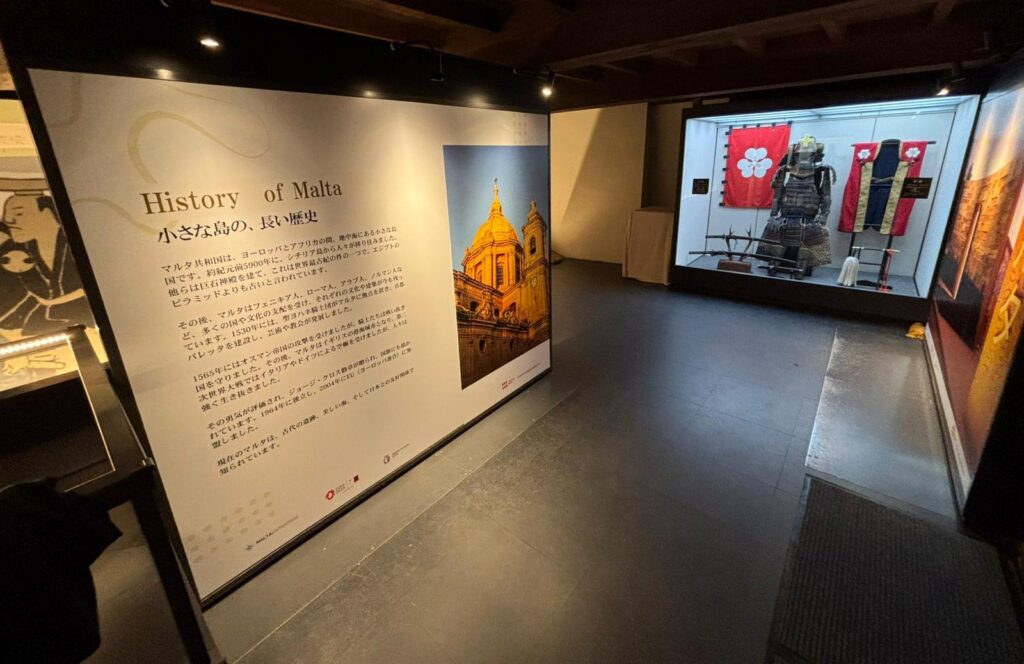
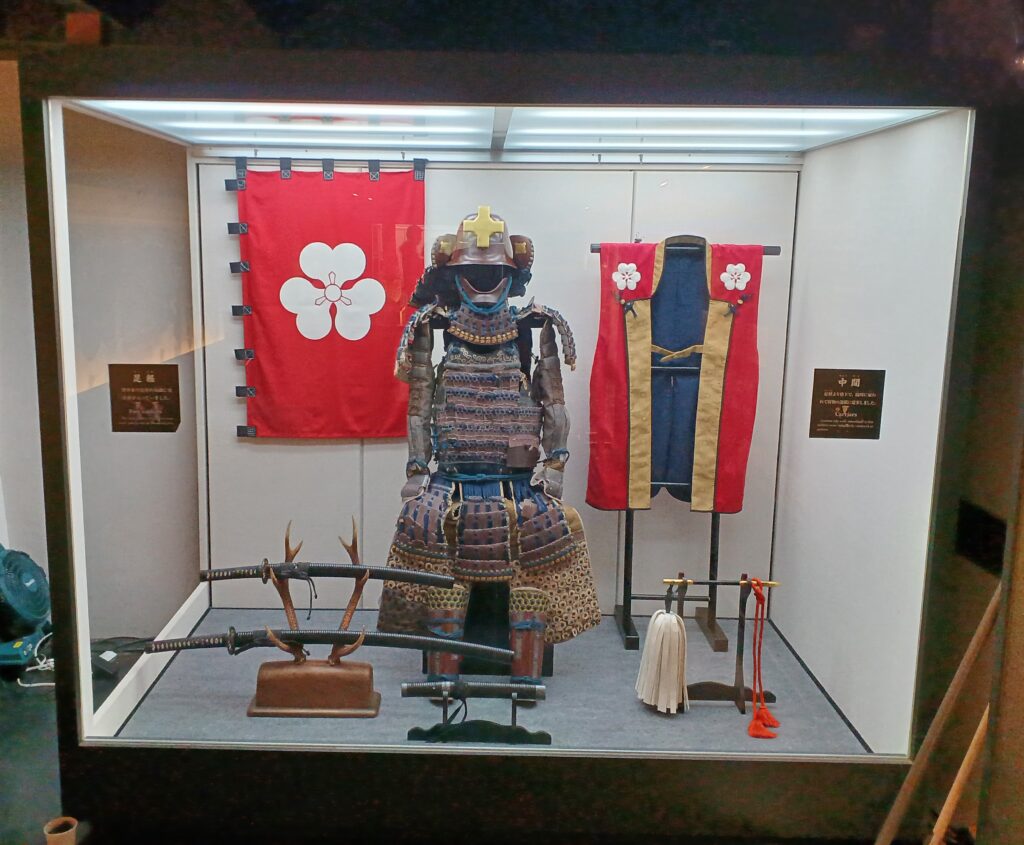
Remarkably, during this restoration process, experts identified elements belonging to a previously undocumented third suit of armour, turning the project into a significant rediscovery. One of the armours was previously exhibited at the Malta Pavilion at Expo 2025 in Osaka, marking 60 years of diplomatic relations between Malta and Japan.
Noel Zammit, Heritage Malta’s chief executive officer, said that what was once a forgotten diplomatic gift has been “transformed into a powerful symbol of shared heritage”.
“These Samurai armours reflect Malta’s historic role as a cultural crossroads and demonstrate how international collaboration can bring history back to life, for global audiences to experience, appreciate, and cherish.”
Following their return to Malta, the Samurai armours will be on permanent display at the Grand Master’s Palace in Valletta, alongside replicas of complementary weapons and accessories replacing the missing original elements.