
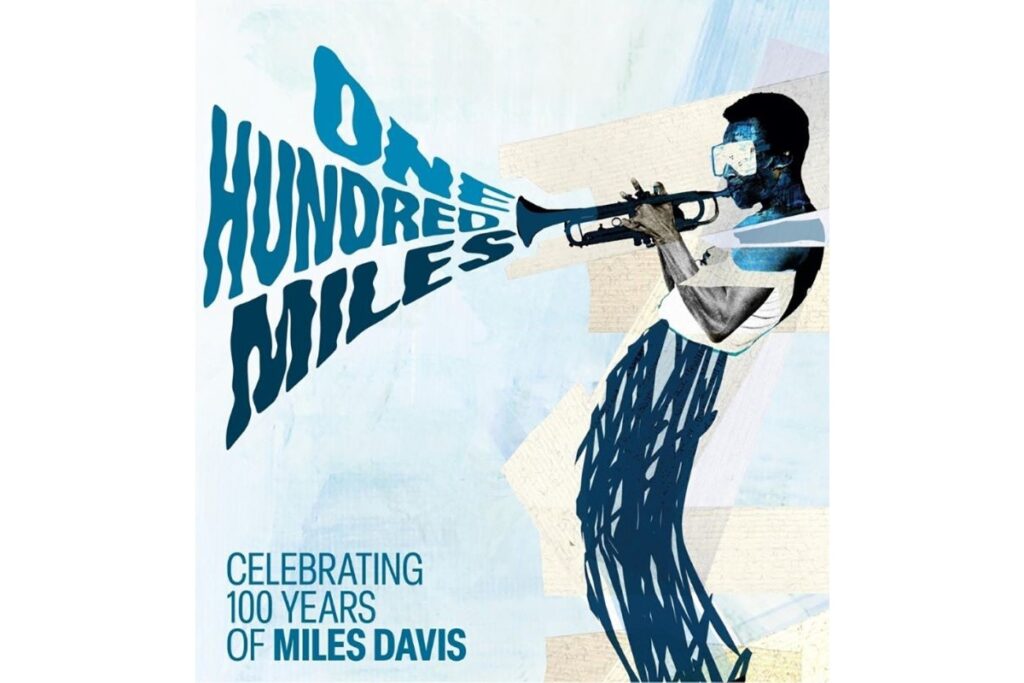
Next weekend sees some of Malta’s most well-known jazz musicians take to the Manoel Theatre’s historic stage for a concert marking the centenary of jazz icon Miles Davis. Fittingly, the One Hundred Miles concert will be directed by a trumpet player, Alex Bezzina, who explained how the pioneering American musician had “changed the way people thought about the trumpet” while creating a truly unique sound.
“He really specialised in the tone and spent a lot of time really focusing on it – and as soon as you hear it you say, ‘oh, that’s Miles’,” Bezzina said.
“That’s something I really took on board and that’s what also I tell my students; having the tone is the first thing that the audience are going to hear.”
But that wasn’t all: “Miles also had a fantastic rhythm that is very hard to replicate – you won’t play a solo exactly like him, it’s so hard to emulate… he was brilliant.”
Pioneer of jazz
Born in 1926, Davis came into the spotlight while working with energetic saxophonist Charlie Parker in the mid-to-late 1940s.
But it was his seminal 1957 album Birth of the Cool that established the trumpeter and bandleader as a pioneer of the genre, a reputation that would continue to be proven throughout his decades-long career. Recorded over three sessions between 1949 and 1951 – with singles released during the intervening years and compiled for the album – it features nine players, including non-traditional jazz instruments such as French horn and tuba.

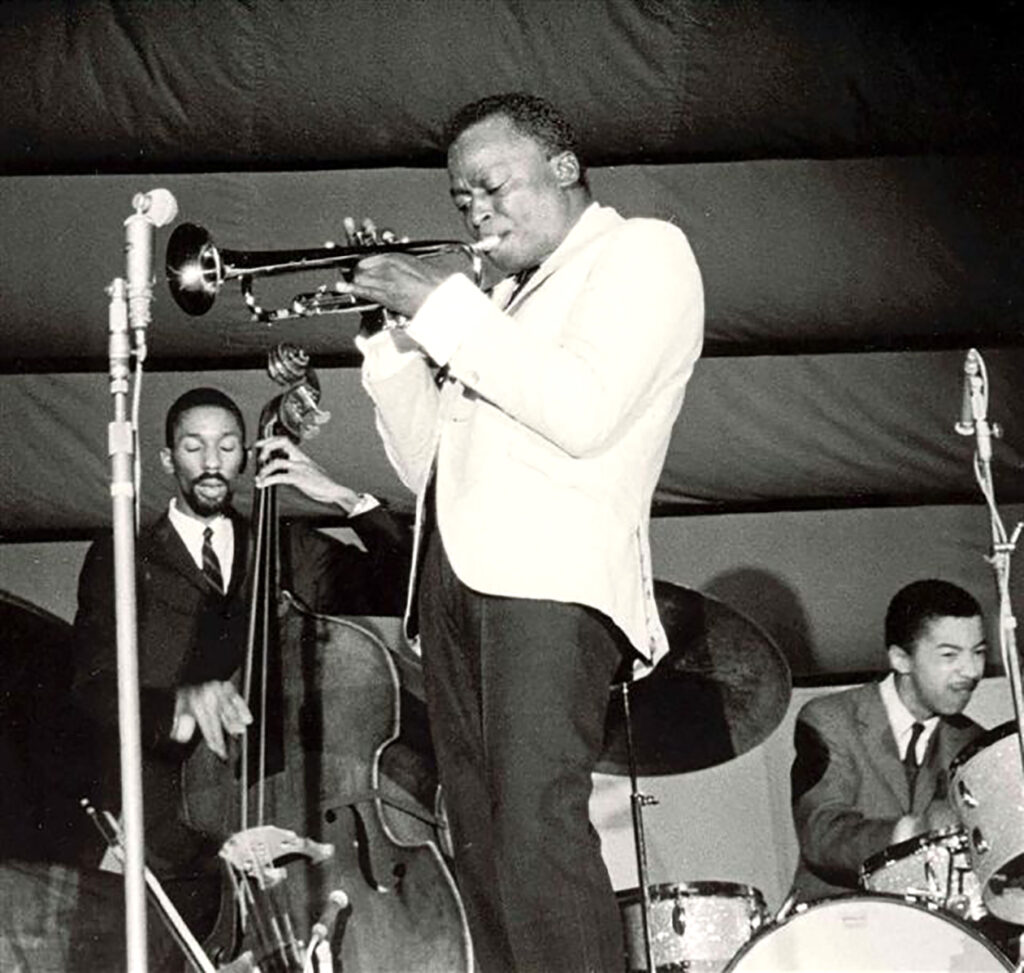
Birth of the Cool drew on a range of influences, incorporating elements of classical music – in particular impressionism – and is credited with ushering in a new era in jazz.
The album is described as being “at the heart of the project” by the Manoel, which is organising the concert in collaboration with the National Agency for the Performing Arts (NAPA).
‘Our own sound’
But it does not form the programme exclusively; alongside arrangements of tracks from the album, Bezzina has also worked to curate a programme tracing the journey of Davis’s remarkable musical life and the various genres he drew worked in, while remaining inspired by and continuing to pay tribute to the unusual instrumentation and daring originality of the record – and Davis’s wider legacy.
“We wanted to come up with our own sound – including in the arranging – because that’s the best thing to do in jazz; it’s taking the influence of what they’ve done but giving it our own tone,” he explained.
“Davis was constantly reinventing his sound and surrounding himself with artists that helped push the music forward. In the same spirit, next week’s performance offers our own perspective of his work while celebrating the imagination and openness that defines his music.”
Bezzina emphasised that the band approached pieces chosen for the programme “not as museum pieces, but as living music that invites interpretation and conversation between musicians”.
The programme
Kicking off in quartet with a bebop piece – a fast, virtuosic style of jazz that emerged in the 1940s – the concert then explores Birth of the Cool across tracks arranged by Bezzina specially for the performance.
“I rearranged them for a particular line-up – our line-up: baritone and tenor saxophones, trumpet, flugelhorn and rhythm section [drums, bass, keys] and guitar,” said Bezzina, explaining that the guitar part has been written to mimic the lead players’ parts in harmony.

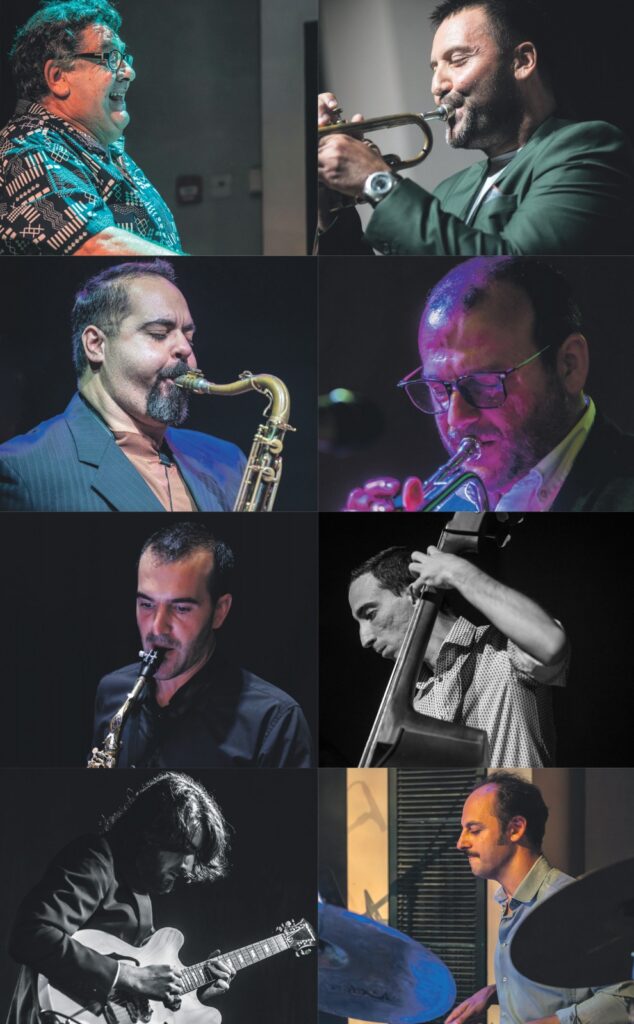
The concert features Bezzina, trumpeter Adrian Brincat, saxophonists Carlo Muscat and Philip Attard, pianist Anthony Camilleri, guitarist Warren Galea, bassist Anthony Saliba, and drummer and percussionist Ġużè Camilleri.
Next up, a piano-centred “intimate” rendition of the 1940s popular jazz standard It Never Entered My Mind – which, while not one of Davis’s compositions, reflects the bandleader’s approach throughout his own life, as Bezzina explained.
“Miles had a fantastic rhythm that is very hard to replicate”
“He didn’t always play his own music – he played popular songs and changed them in his own way, so I wanted to show that as well.”
After that, the full band returns to the stage to explore Davis’s revolutionary use of musical ‘modes’ – musical devices derived from scales but where the starting note has been shifted – which would form the basis for much of the later jazz in the latter half of the 20th century.
Davis was “already thinking ahead and wanted to come up with a new sound”, said Bezzina of the bandleader’s adoption of modes, adding that next Sunday’s concert will see the band explore his use of the scales through pieces taken from other records in Davis’s back catalogue, such as the iconic 1959 album Kind of Blue.
Watch out for a ‘shout chorus’ arranged specifically for the concert, Bezzina added.
As the performance draws to a close, the band will explore Davis’s evolution into fusion jazz, bringing together elements of rock and electronic music, before closing with a song by contemporary musician and songwriter Marcus Miller and Davis’s 1982 track, Jean Pierre.
What does Bezzina hope the audience takes away from the performance?
“For people who might not know the tunes at all, I hope they will come out wanting to check out more of his music, and for those already into jazz, I hope they will appreciate the work putting together the set,” he said.
“At the end of the day, it’s an enjoyable evening of celebrating one of the most innovative musicians in the world.”
To book tickets, head to teatrumanoel.mt. To find out more about NAPA, visit napa.mt.