

Malta International Contemporary Art Space (MICAS) is presenting a major solo exhibition by the internationally acclaimed African-American painter Reggie Burrows Hodges, marking the artist’s first exhibition in Europe.
Entitled Mela, Hodges has plugged in to one of the Maltese language’s most used and versatile of words as an evocative signifier of the ‘Malteseness’ he encountered throughout the creation of his body of work.
Hodges (b. 1965, Compton, California) made Malta home in 2024 to create an entirely new body of work inspired by his experiences on the island, specifically engaging with its culture and history.
“Without making the journey to Malta and spending time immersing myself in the culture, I wouldn’t have had a shot at its richness. That would have been a real loss – not for Malta, but for me,” Hodges said.
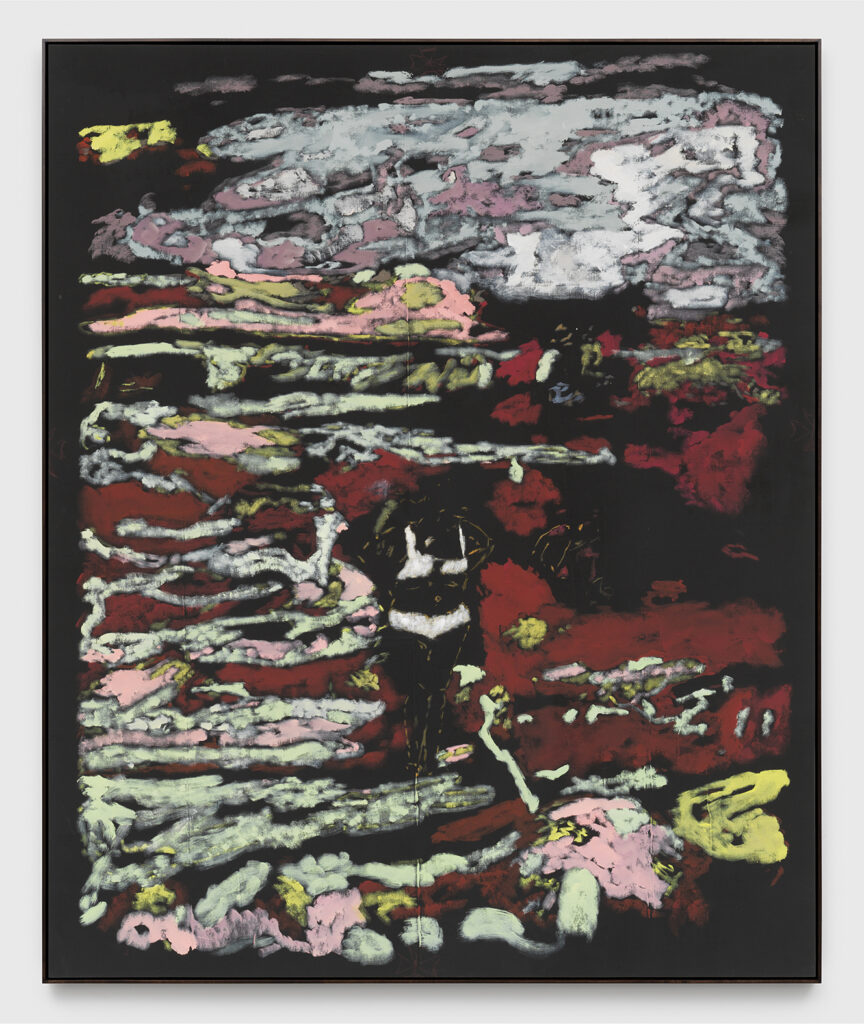
Spanning over 30 new paintings across the MICAS’s four main gallery floors, including the largest canvases of his career, Mela represents Hodges’s most ambitious body of work to date.
The work includes a monumental painting created as an ode both formally and in scale to Caravaggio’s The Beheading of St John the Baptist, which was painted in Malta during Caravaggio’s exile and remains the artist’s largest and only signed work. Hodges responds to this historical precedent with a site-specific reinterpretation, filtered through his own visual language and contemporary concerns.
‘Full immersion’
Known for his use of painting as a powerful form of visual storytelling and metaphor, Hodges sees “mela” as a term that often precedes the expression of a thought or idea. In Mela, Hodges extends his ongoing exploration of identity, memory, labour and collective experience, in fresh dialogue with the Maltese context.
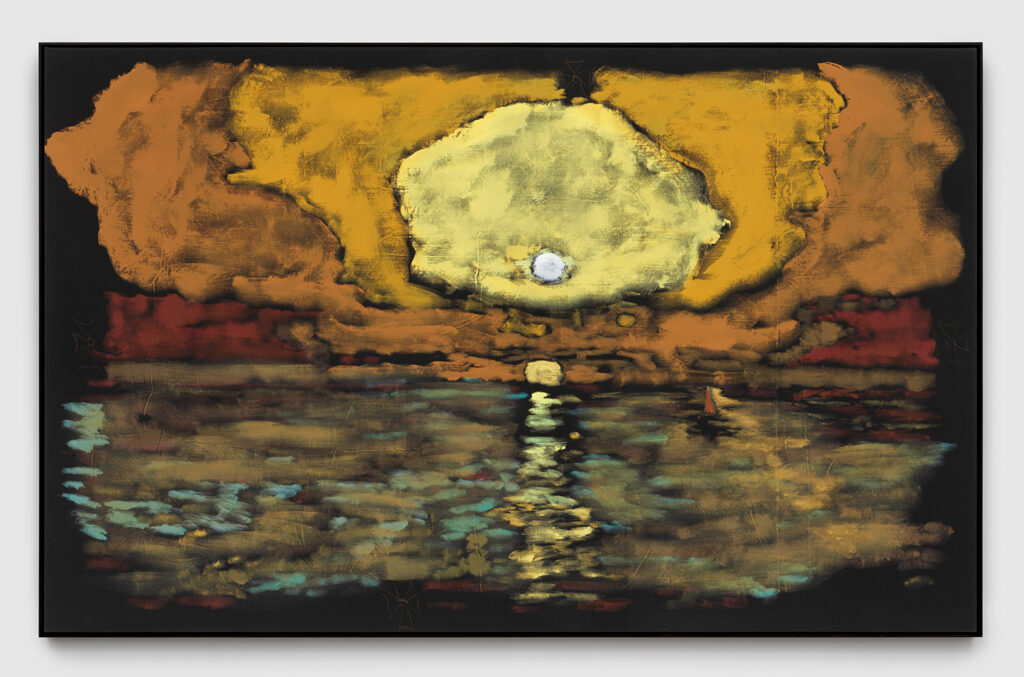
Following the relocation of his studio to Valletta, Hodges immersed himself in Malta’s social, historical and geographic landscape. His body of work is the result of his observations of the island’s rugged coastline, bathers, scenes of agricultural and physical labour – all local Maltese histories embedded within Hodges’s broader investigation of human dignity and endurance.
Edith Devaney, artistic director of MICAS and curator of the exhibition, said: “It has been extraordinary to observe how Reggie immediately immersed himself in every aspect of Malta, allowing himself to become deeply receptive to the country and its people, and the extent to which he was able to translate these observations into a powerful and emotional body of work.”
“It has been extraordinary to observe how Reggie immediately immersed himself in every aspect of Malta”
‘A poem to Malta’
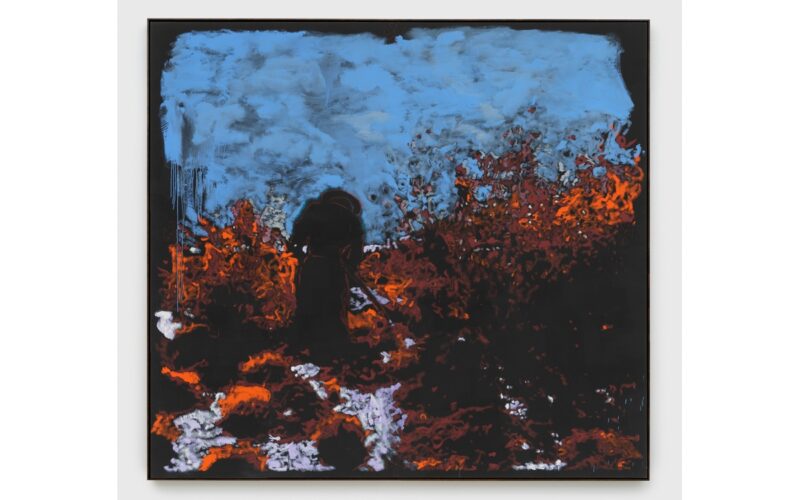
The works in Mela exemplify Hodges’s distinctive painterly language: beginning with a layer of black paint, he allows figures and environments to emerge through negative space, shifting emphasis away from descriptive realism towards atmosphere, gesture and psychological presence.
This approach connects Mela to Hodges’s wider practice, including his acclaimed paintings rooted in recollections of growing up in Compton, which foreground Black community and resilience, and draw inspiration from influences like David Driskell, Alex Katz and Milton Avery.
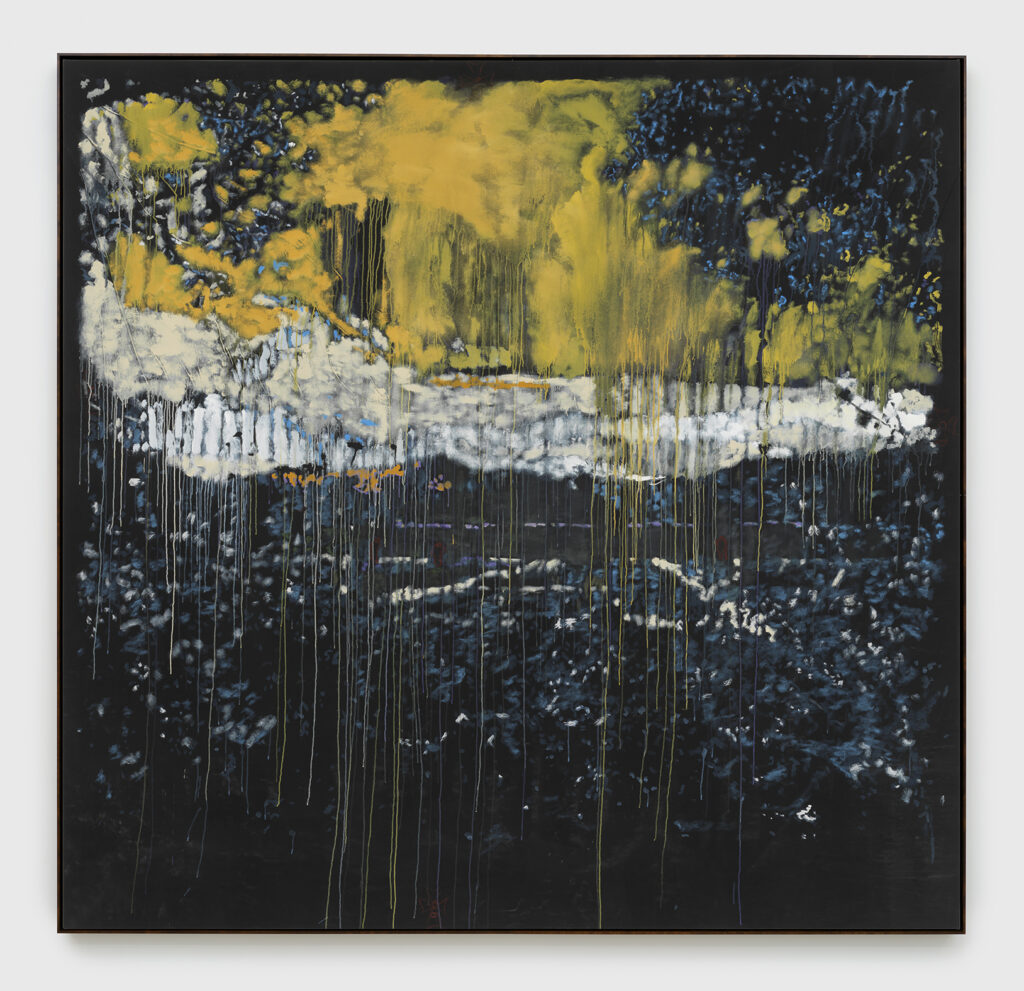
Apart from Hodges’s site-specific reinterpretation of Caravaggio’s Beheading… and his long-running Labor series, Hodges has produced a group of Malta seascapes, reflecting his ongoing interest in the sea as a space of movement, migration and exchange. Reflecting on the people, landscapes and layered histories that shaped the project, Hodges has described Mela as “a poem to Malta”.
Hodges has also programmed the MICAS external vault with a related music-based work, inspired by accounts of Neolithic music from past civilisations across Malta and Gozo.
Mela will be accompanied by a fully illustrated publication, featuring a new essay by Devaney, to be published by Skira Editore, a global leader in art publishing.
The exhibition runs from May 9 to August 30.