


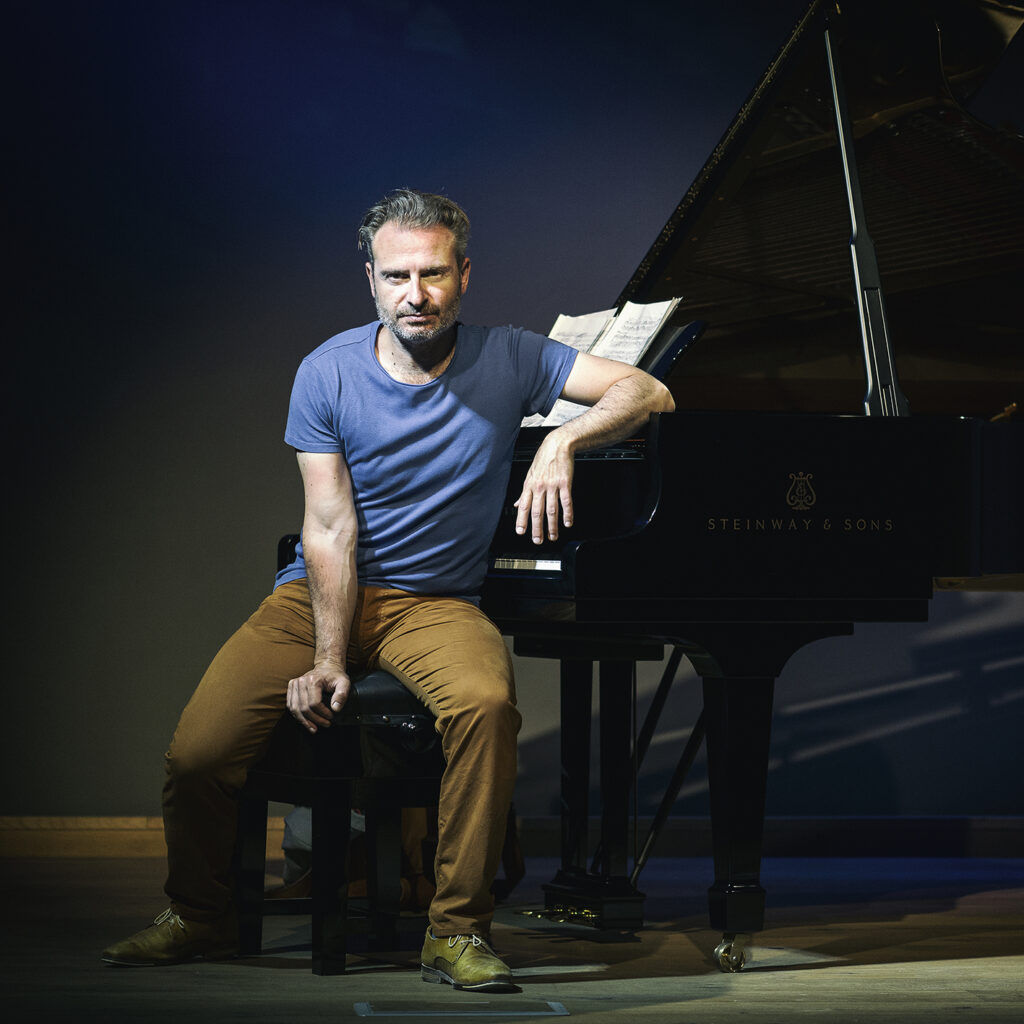
When Karl Fiorini came up with the idea of starting a festival in 2005, there were only a few festivals happening in Malta, and he was particularly keen to create something for the Easter season.
“I didn’t know for sure that I would be able to manage a first year and then we scraped through the second year, and the third, and I’m proud that, despite some difficult years, the festival has reached its 20th edition, and what it has achieved,” the founder and artistic director of the Malta Spring Festival says.
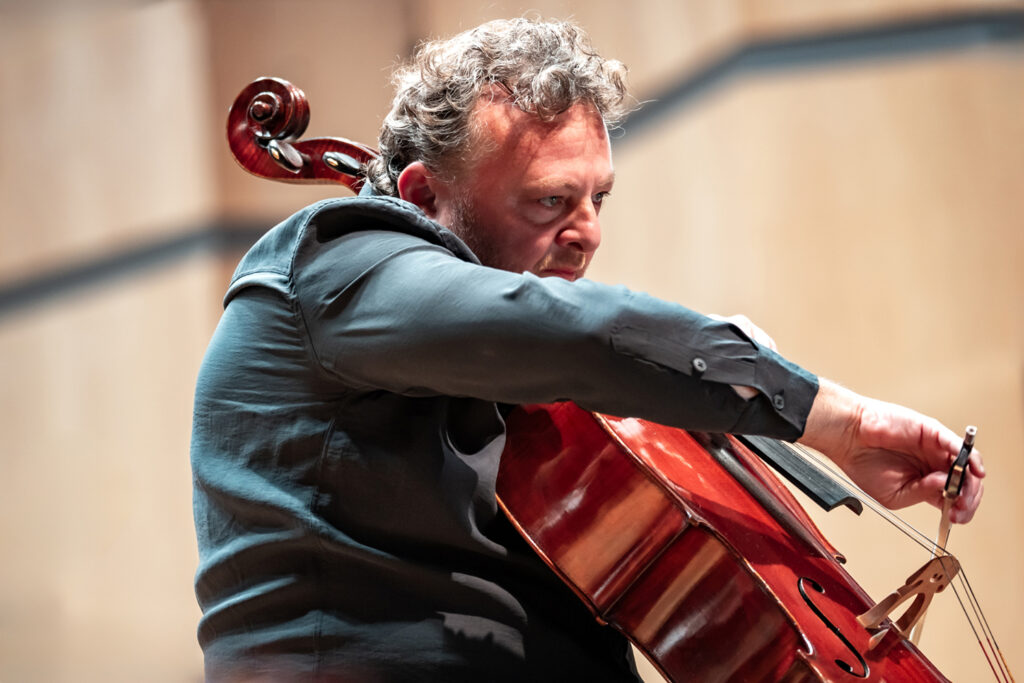
Fiorini gives credit to the musicians he has worked with over the years. From the beginning, he considered the festival’s legacy and planned for every artist to give a masterclass. At first this was an informal talk, but two years ago, he came up with the novel idea of, rather than inviting a chamber orchestra to come to Malta, instead using the masterclasses as a vehicle with which to create a festival orchestra. By opening up these free masterclasses – available by audition − to music students all over the globe, he has attracted excellent young musicians.
“This year we had 133 applicants from as far as China, Russia, Brazil, Mexico, Canada, the United States, from whom we chose 30, and it’s become extremely competitive,” Fiorini notes. “The youngest is 17: she’s a very talented young viola player in sixth form in the UK at the acclaimed Menuhin School for musically gifted children.”
The 2026 programme
Each morning for a week, the youngsters have masterclasses with different string teachers and in the afternoons the students team up with the tutors as an orchestra: they will then perform together as the Malta Spring Festival Academy Orchestra at the closing concert of the festival on Saturday, performing Simple Symphony op.4 by Benjamin Britten to mark the 50th anniversary of his death.
The programme also includes Charles Camilleri’s 2001 Suite – Kosmos, which reflects the composer’s lifelong fascination with the idea of the universe as a living, spiritual and musical entity, Alberto Ginastera’s Concerto for Strings op.33, and a work by Fiorini himself, Weinende Frau (Weeping Woman), for which he drew his inspiration from Pablo Picasso’s haunting series of paintings based on the figure of the grieving mother in Guernica − a response to the devastating bombing of the Basque town during the Spanish Civil War. By channelling the emotional force of Picasso’s imagery into a contemporary musical language, Fiorini invites the listener to confront not only historical tragedy, but the enduring presence of grief, compassion and fragile humanity.
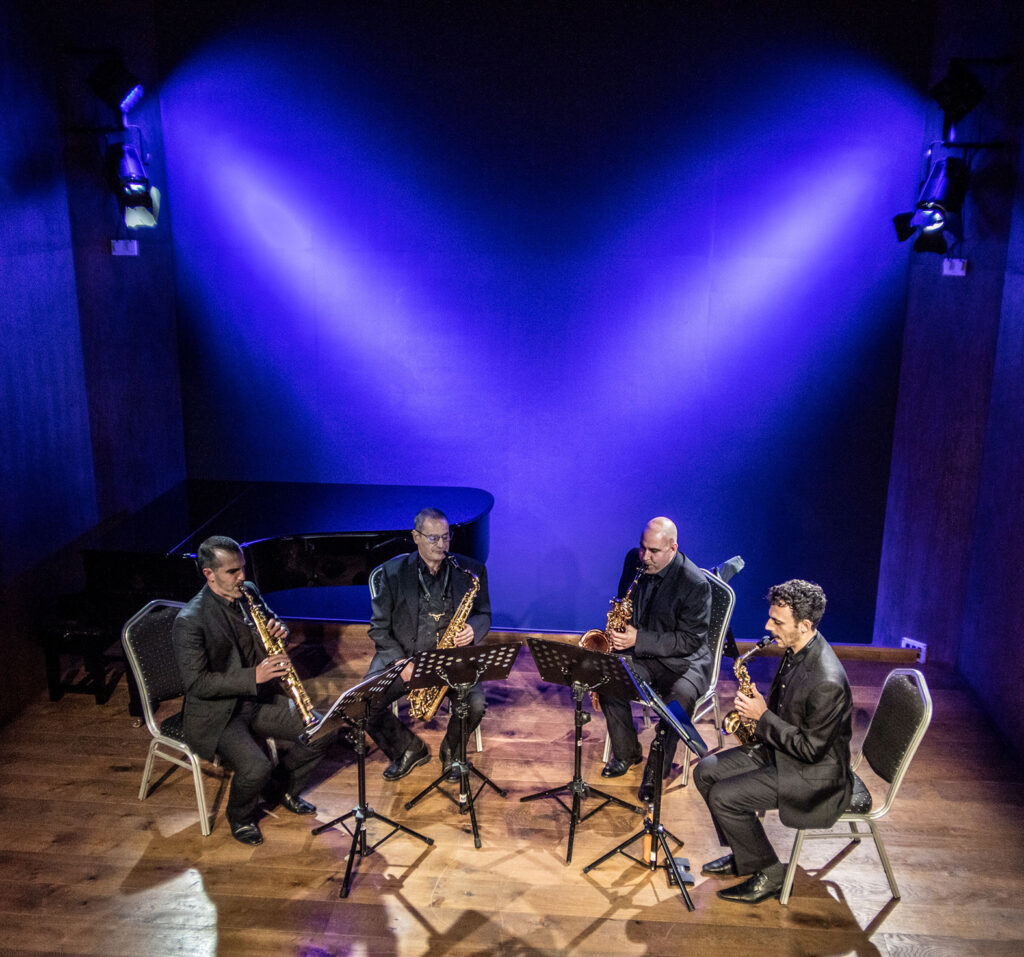
This year’s concerts also include a preponderance of moving works by Russian composer Dmitri Shostakovich to mark the 120th year of his birth.
“Shostakovich’s music is so profound, especially the Viola Sonata, with which we close the concert on Thursday (April 9),” Fiorini adds.
“It was his last work, composed in 1975 during the Cold War: he died not long after completing it, before the première, and it is often regarded as a poignant farewell, marked by the composer’s characteristic fusion of personal reflection and profound musical depth.”
Theme
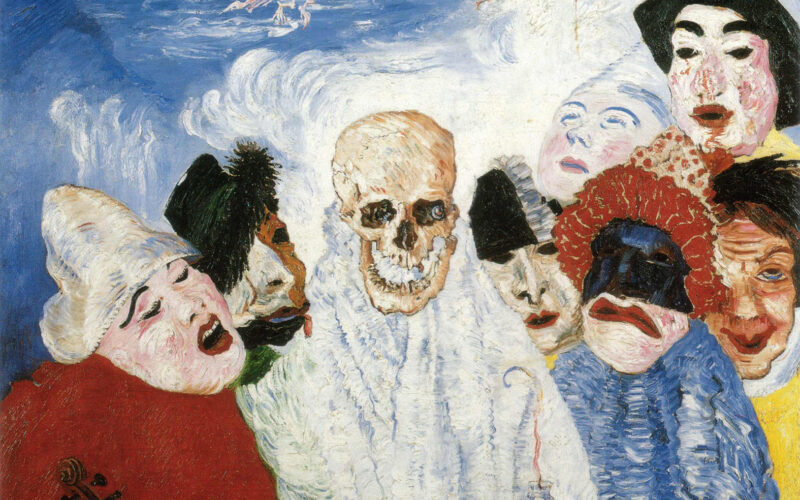
Each year, Fiorini selects a theme for the festival inspired by an early 20th-century painting.
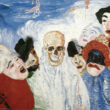
“This year, I chose James Ensor’s Death and the Masks (1897) to pair with the theme ‘The Prospects of the Future’. Although the theme is subtle in the festival, it’s a very deliberate comment on the politics of our time,” he explains.
“The image chosen for this year’s festival − a procession of masked figures, faces at once theatrical, grotesque, vulnerable, and human − suggests a world in which identities shift and truths blur. Beneath the painted surfaces lie questions of mortality, memory, and transformation. These tensions resonate strongly with this year’s festival theme: not as prediction, and certainly not as optimism by default, but as a space of possibility − fragile, contested, and open.”
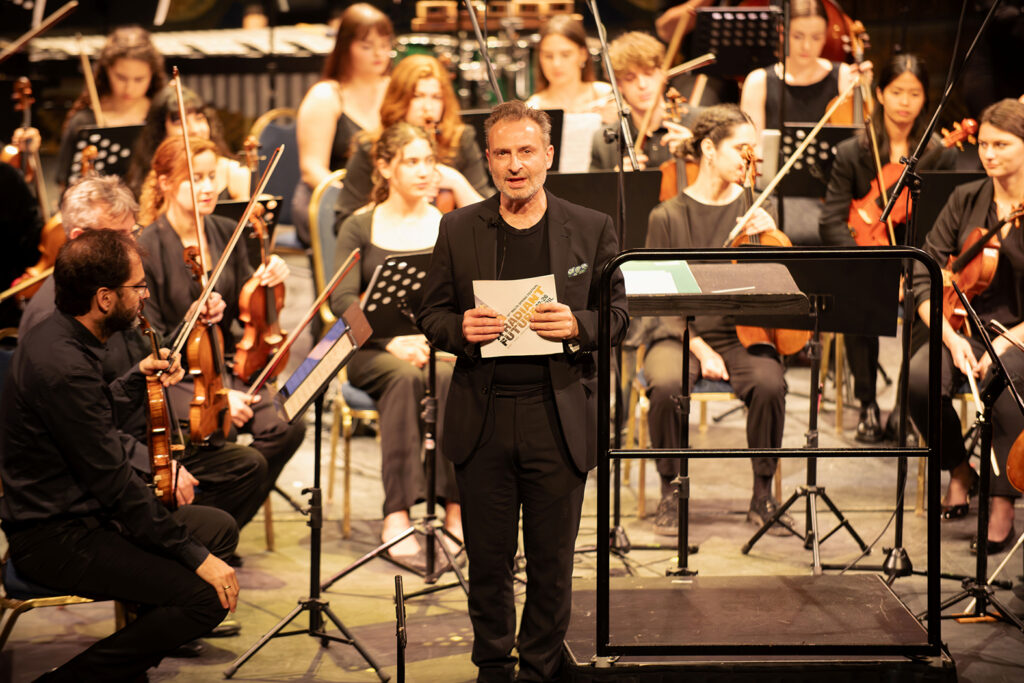
“To speak about the future today is an uneasy act,” Fiorini continues.
“We live in a time saturated with information, velocity and noise, yet haunted by a persistent sense of fragility. Wars persist, certainties dissolve and inherited structures − political, cultural, even aesthetic − appear increasingly unstable. And yet, art continues… not because it offers solutions, but because it remains one of the few places where complexity, doubt, grief, hope and beauty may coexist without simplification.”
“If this edition offers any prospect, it is this: that music remains a vital act of witness. A way of standing inside uncertainty and still choosing to listen.”
The Malta Spring Festival thanks Arts Council Malta for their support. The opening and Huberman Quartet concerts are co-financed by the National Institute of Music and Dance from the funds of the Minister of Culture and National Heritage of the Republic of Poland.