
Public transport in Malta is not merely a system; it is a saga. It is the story of an island that learned to move, adapt and reinvent itself with every new era. From the thunder of hooves on dusty roads to the growl of diesel engines echoing through narrow streets, Malta’s mobility has always reflected the pulse of its people.
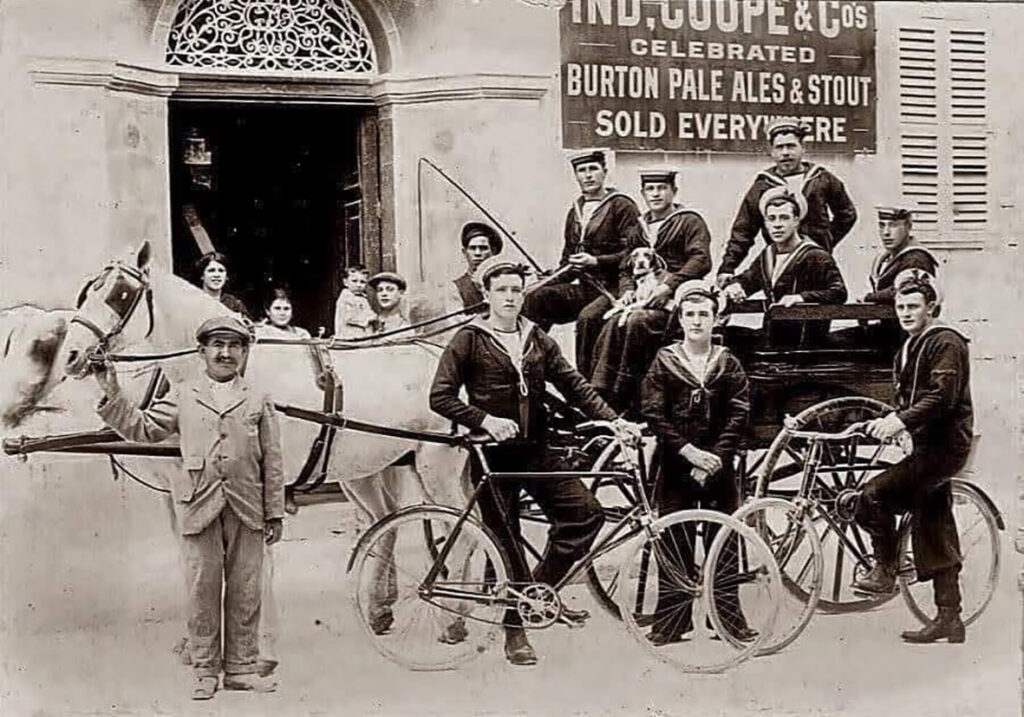
But as motorised transport began to take hold, the karozzin trade faced existential pressure. By 1921, around 1,800 coachmen were still active, yet within a decade their numbers had begun to fall sharply. Strikes, protests and attempts to protect their livelihood marked this turbulent transition – a human story that Attard captures with sensitivity.
In Mill-Omnibus sa Tal-Linja: It-Trasport Pubbliku f’Malta 1856-2015, a new Heritage Malta publication, historian Edward Attard unravels this sweeping 160-year journey. Through meticulous research and vivid storytelling, he traces the evolution of Maltese public transport from the first horse-drawn omnibuses to the iconic karozzi tal-linja that became national symbols, while exploring the trains, trams, ferries, and early Gozo crossings that came in between.

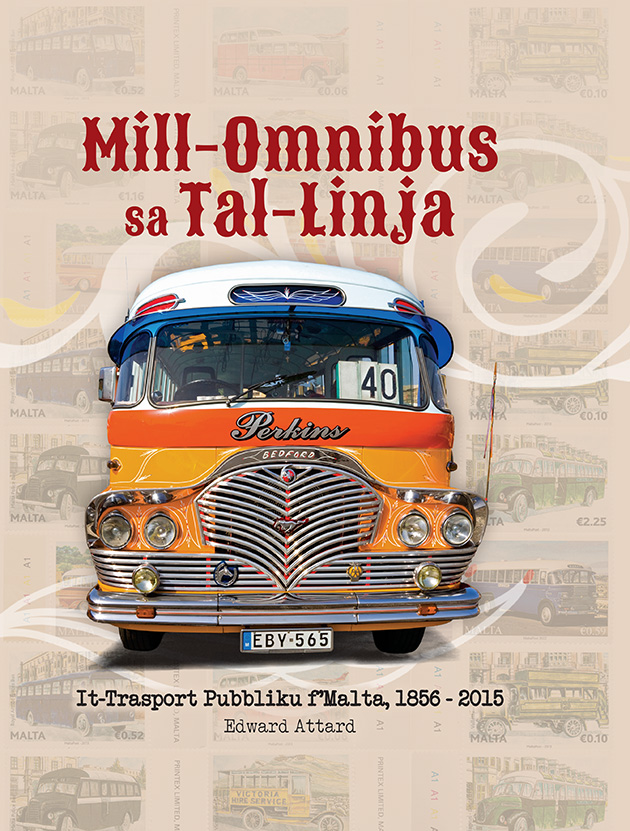
Attard’s work opens in 1856, when Malta’s first omnibus service began operating between Valletta and Lija. Imported from England through the initiative of Vincenzo Attard of Lija, these four-wheeled vehicles – affectionately nicknamed nemnebus by locals – could carry 16 passengers on two long benches. They represented a new kind of shared mobility, one that connected communities in ways previously unimaginable.
As the book recounts, the service soon expanded, with new models arriving from France and the Malta Omnibus Company extending routes to Żebbuġ, Rabat, Sliema, St Paul’s Bay and, eventually, Marfa. A journey from Valletta to Marfa took over three hours, with stops along the way to rest the horses – a reminder of the slower-paced way of life of our ancestors.
Running parallel to the omnibus era was the rise of the karozzin. Though smaller and more intimate, the horse-drawn carriage offered flexibility the omnibus could not: no fixed routes, no fixed schedules and a level of comfort that appealed to both locals and British servicemen stationed on the island.
Many coachmen eventually adapted, becoming bus drivers or conductors, while others left the trade altogether. The karozzin would later find a second life in tourism, though not without controversy in recent years.

One of the most fascinating chapters in the book explores Malta’s short-lived but memorable railway.
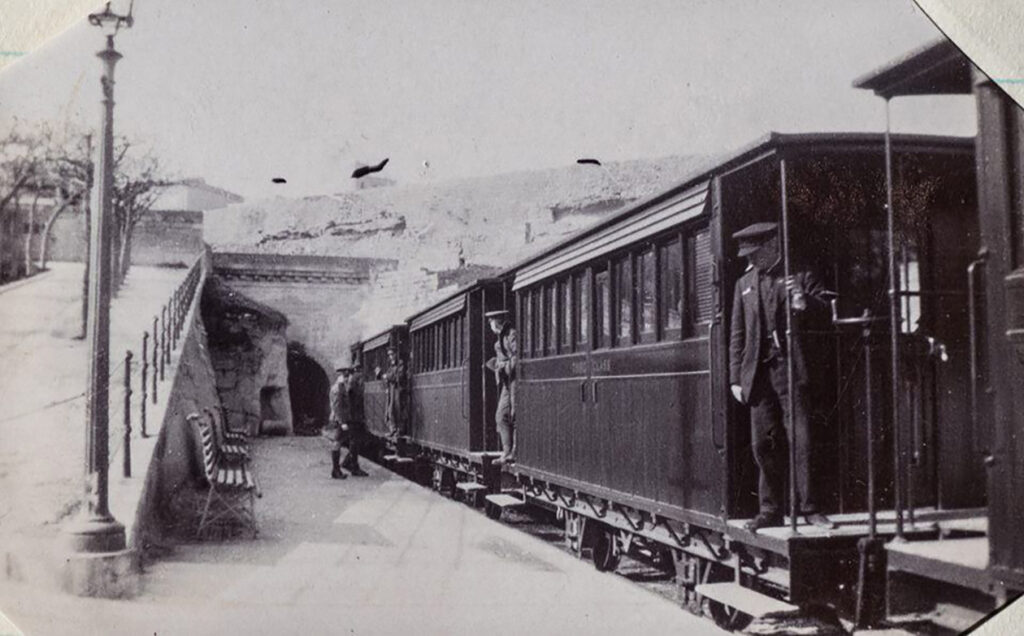
Conceived in the 1870s as a solution to the limitations of horse-drawn transport, the Malta Railway opened in 1883, linking Valletta to Rabat with stops in Ħamrun and Birkirkara. The journey took just 25 minutes – a remarkable improvement for the time. Yet despite early success, financial difficulties, competition from emerging bus services and a series of operational challenges led to the railway’s closure in 1931.
Attard recounts not only the technical and economic aspects of the railway, but also the human stories: the rules governing passengers, the occasional incidents and the sense of novelty that the train brought to Maltese life.
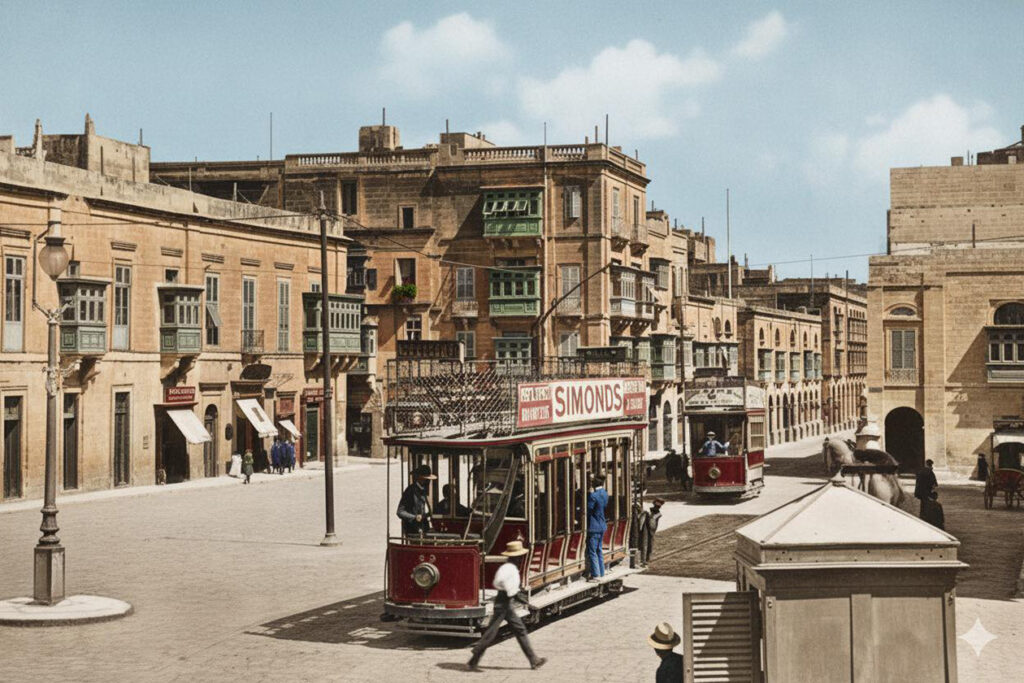
Equally evocative is the story of the tram, introduced in 1905. Powered by electricity generated at a purpose-built power station in Marsa, the tram network extended to Cospicua, Ħamrun, Qormi and Żebbuġ. It was modern, efficient and transformative, yet it too faced difficulties.
The book details the tragic accidents that marked its early years, including brake failures and collisions, as well as the financial pressures that ultimately led to the tram’s closure in 1929. Still, for nearly a quarter of a century, the tram reshaped urban mobility and left an imprint on Malta’s transport heritage.

Attard also dedicates significant attention to maritime transport, an essential lifeline for communities around the Grand Harbour and Marsamxett.
The dgħajjes tal-pass – passenger boats – date back to the time of the Knights, but their use expanded dramatically with the presence of the British Navy. By the late 19th century, around 1,500 licensed boatmen operated in the harbours, ferrying sailors, workers and residents across the water.
The arrival of the laneċ (larger passenger boats) later broadened the service to Sliema, St Julian’s, Msida, Pietà and even St Paul’s Bay. Yet as bus routes expanded, demand for maritime transport declined, and by 1959, the last harbour ferry had ceased operations.
“Mill-Omnibus sa Tal-Linja is more than a historical record. It is a tribute to the people who built, operated and relied on these services; to the communities connected by them and to the evolving landscape of Maltese life”
The book then turns to one of the most defining aspects of Maltese mobility: the connection between Malta and Gozo. From medieval dgħajjes tal-mogħdija to 19th-century steamers and 20th-century vessels like the King of England, Lady Strickland and Calypso Land, Attard traces the evolution of the inter-island link with remarkable detail.
The establishment of the Gozo Channel service in 1979 marked the beginning of a new era, but the roots of the crossing stretch back centuries – a testament to the enduring bond between the two islands.

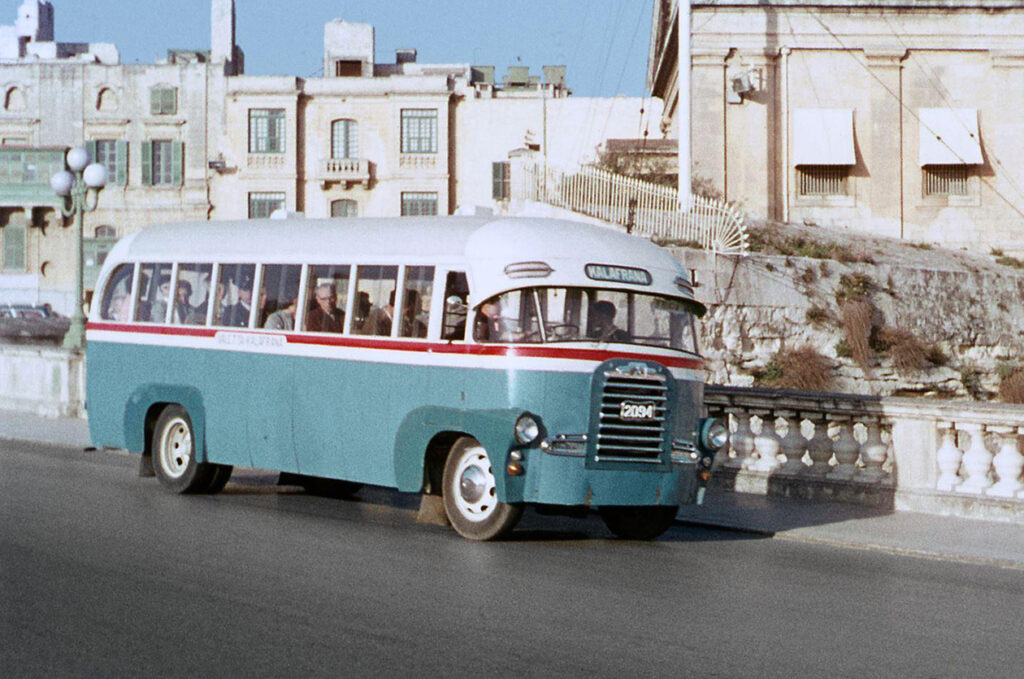
Finally, the publication reaches the arrival of the first motor buses in the early 20th century. Inspired by European models displayed at international exhibitions, Maltese entrepreneurs such as Wiġi Apap imported the earliest vehicles and launched the first motor-omnibus services. These buses would eventually become a national icon – brightly coloured, individually customised and deeply woven into Malta’s cultural identity.
Attard’s narrative leads up to 2015, capturing the many transformations, challenges and milestones that shaped the bus system over more than a century.
Mill-Omnibus sa Tal-Linja is more than a historical record. It is a tribute to the people who built, operated and relied on these services; to the communities connected by them and to the evolving landscape of Maltese life.
Through meticulous research and engaging storytelling, Attard offers readers a journey through time – one that reveals how public transport has shaped Malta’s social, economic, and cultural fabric.
Heritage Malta’s newest publication stands as an essential resource for anyone interested in the islands’ history, mobility or collective memory. It reminds us that transport is not merely infrastructure but a living thread that binds generations, places and stories together.
Daniela Attard Bezzina is senior principal officer (communications and PR), Heritage Malta. The book may be purchased online at https://heritagemalta.mt/store/.