
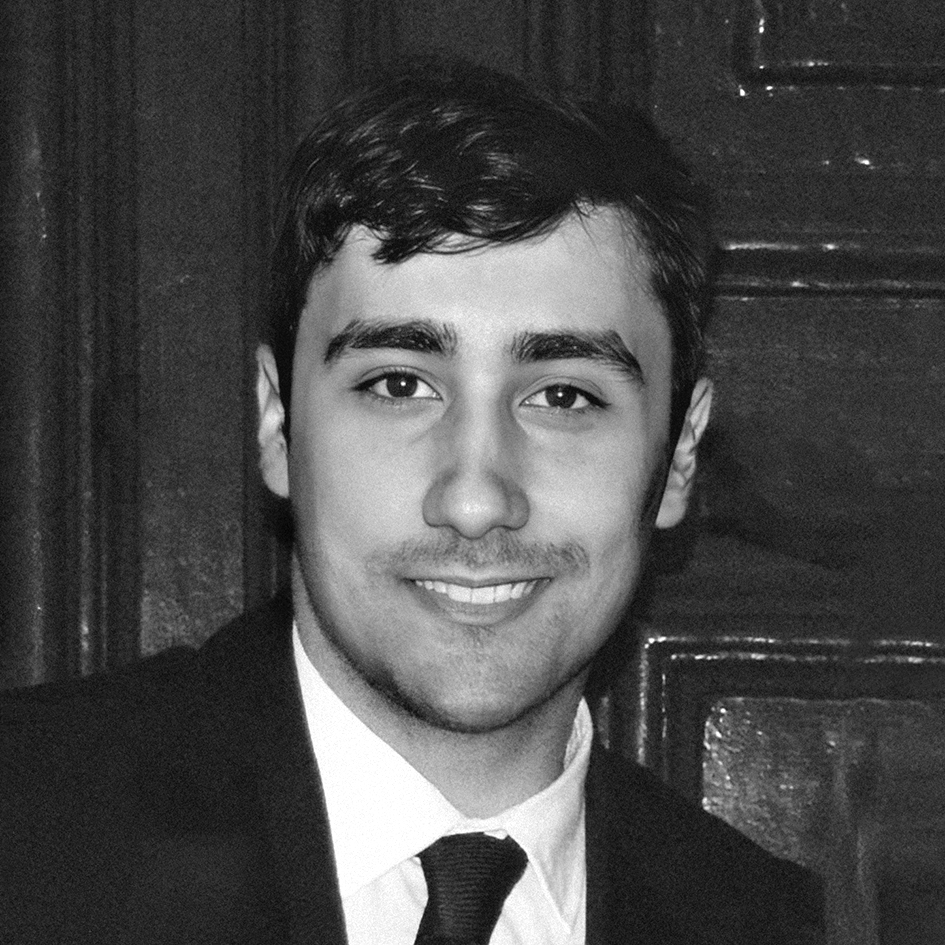
Because of the actors’ strikes in 2023, Steven Xuereb Haber, an art director in the film industry, found himself with time on his hands. It was, he explains, the perfect opportunity for him to start working on a book project.
“I was suddenly confronted with the unfamiliar: time. Idle hands are the devil’s workshop, as the saying goes. In my case, however, it was St Vitus who set things in motion,” Xuereb Haber says.
“Like many, I was still reflecting on the shockwaves created by the coronavirus pandemic. Watching how fear, rumour and collective emotion could ripple through society reminded me of a strange historical event that had fascinated me for years: the ‘Dancing Plague’ of 1518.”
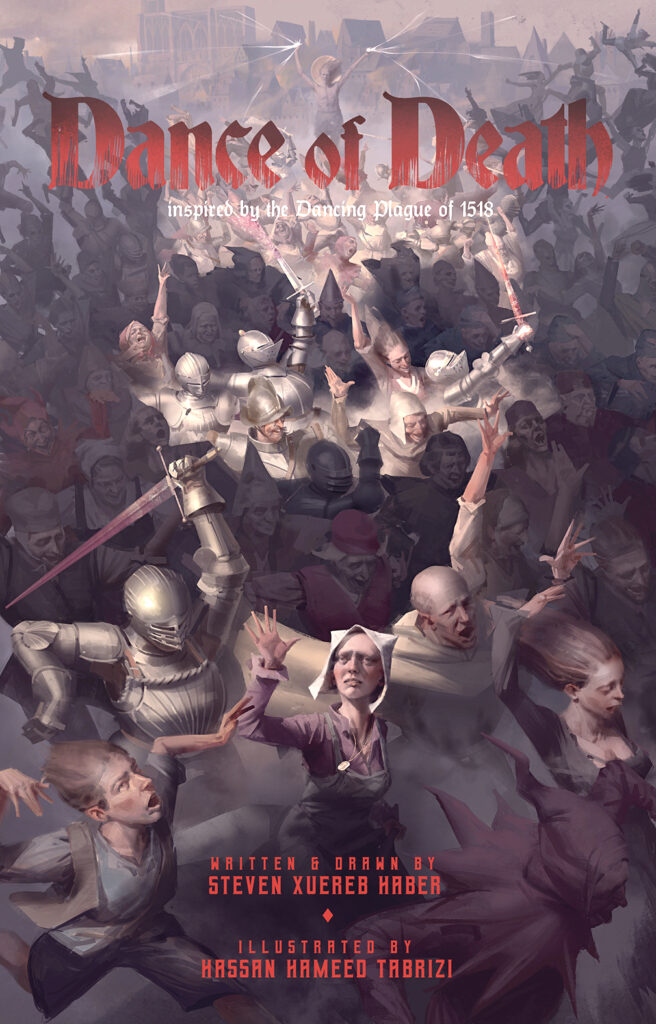
What began with one woman in the town of Strasbourg developed into a bizarre epidemic during which hundreds of people danced and whirled uncontrollably, before collapsing from exhaustion. There were numerous deaths. Although the cause remains unknown, suggestions included a curse by St Vitus, who was the patron saint of dance, a fungal infection in the town’s wheat or, most plausibly, mass hysteria due to social stress.
“The book is a retelling of this tale of mental mania with a supernatural twist,” Xuereb Haber continues.
“This story truly mesmerised me as it perfectly taps into my fascination with the human mind and the peculiarities of collective behaviour during times of immense social stress. What particularly captured me about this event was that, at its peak, the condition affected 400 people across a broad spectrum of society, and as I dug into the story, the crazier it got!

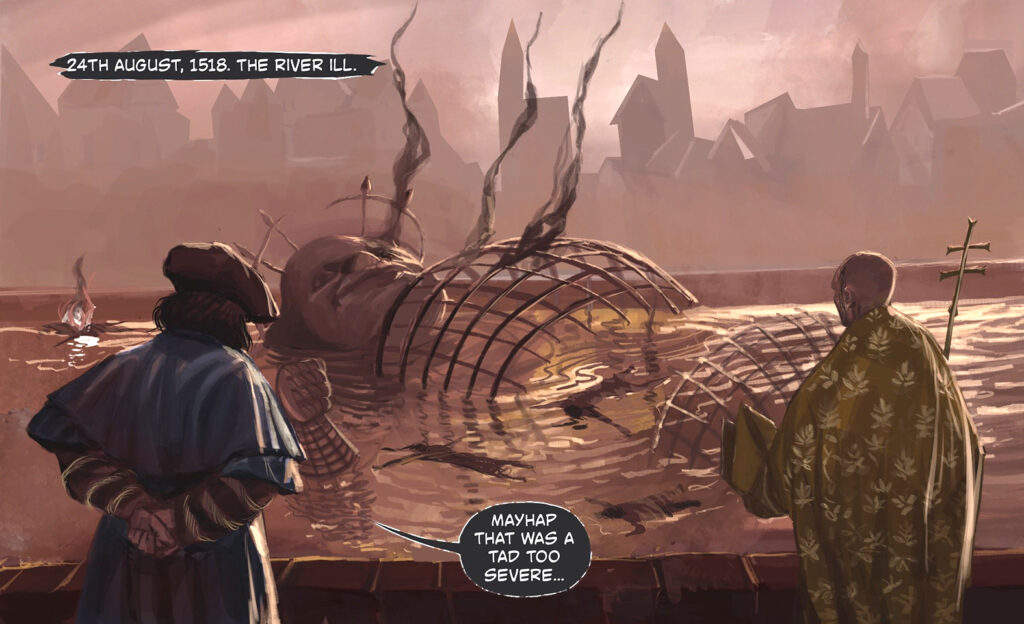
“It was a social crisis, and the more the local government tried to fix it, the worse they made it. It reminded me of the Greek myth of the Hydra, a multi-headed snake-like monster that grew two new heads whenever one was cut off.”
He says it was always his ambition to write, and “because they’re so visual”, a graphic novel seemed the perfect approach for him.
“It’s a beautiful medium, and yet, because comics are thought to be for kids, there’s a preconception that they’re simpler than other stories. However, their narratives are just as poignant and relevant, which is why so many big movies come from graphic novels,” Xuereb Haber points out.
“Additionally, a graphic novel is basically a film on paper with its own kind of rhythm, and there are a lot of visual similarities. It was refreshing not to be restrained by budgetary constraints or anyone else’s design and vision. I could include whatever it was possible to draw, choose my actors without restriction and put them in any time or place.”
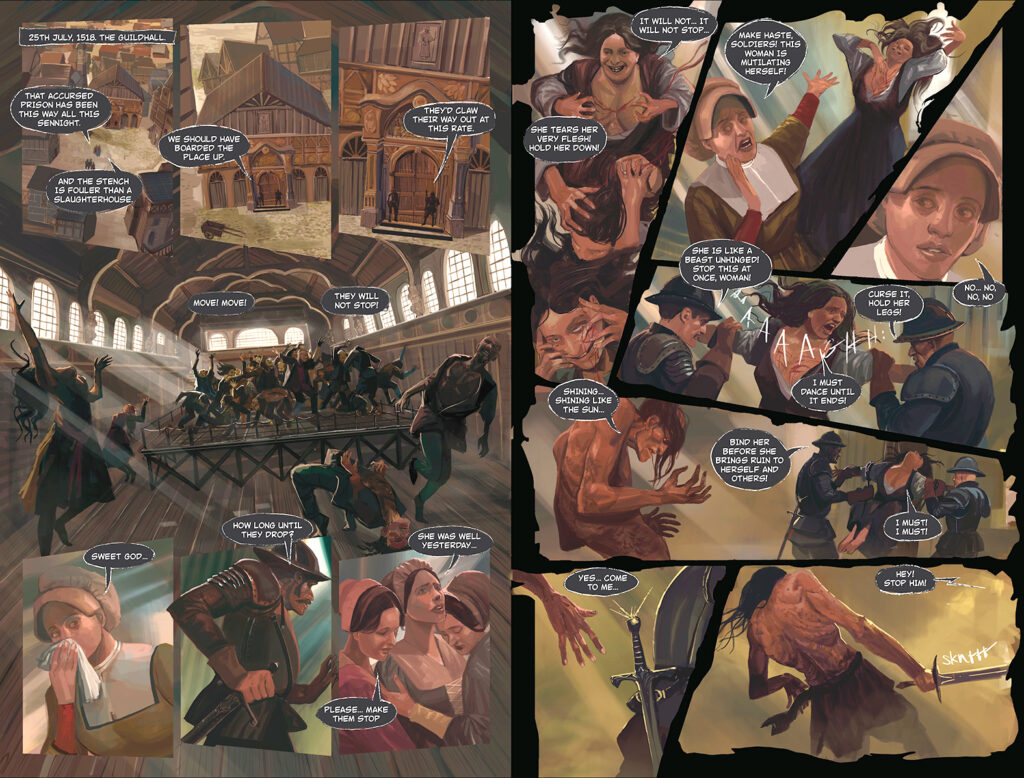
Xuereb Haber first wrote the dialogue, and planned the way the story would roll out, ‘thumbnailing’ the story elements and the layout of each page in ink, composing the pictures as if they were the storyboards for a film, panel by panel.
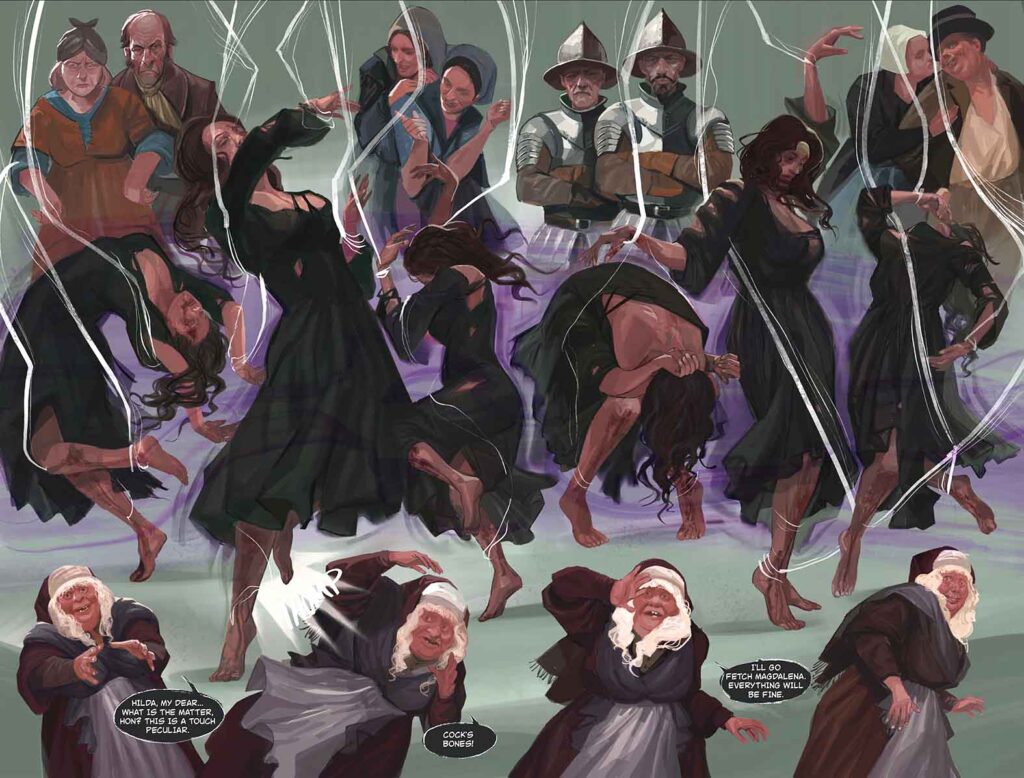
He then collaborated with a French illustrator, Hassan Hameed Tabrizi, who rendered the illustrations in a vivid style that captured the intensity and surrealism of a society spiralling into a frenzy.
“I also sent him references for the look of the characters, costumes and scenes, and we were in constant conversation,” Xuereb Haber adds.
“We wanted to deviate from the classical inked style of comics and opted for a painterly feel”
“Hassan used a colourful palette even though it’s a dark story. Although we often assume the Middle Ages to be monochromatic, muddy and dark, this story takes place at the peak of the Renaissance, a boon for colour. A brighter aesthetic also fitted the trance-like element of the story.
“We also wanted to deviate from the classical inked style of comics, and opted for painterly feel because we tend to think of period stories in a classical style, and because Hassan’s expressionistic approach lent itself well to the craziness of the events. His sense of movement and energy was essential in reflecting the restlessness at the core of the narrative.”
“The phenomenon that inspired this book is both frightening and beautiful. It shows how a single unspoken impulse can spread through a population like wildfire, emerging from the collective human spirit with unstoppable force.”
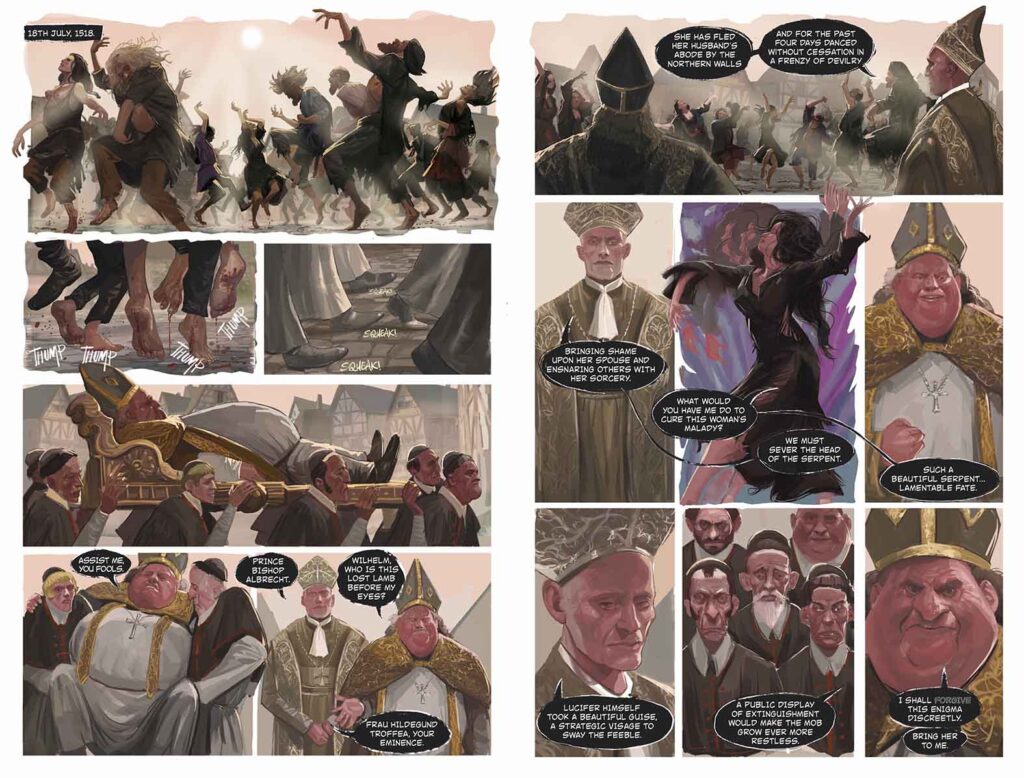
At its heart, Dance of Death is a story about humanity as a shared consciousness and about the human response to oppression and trauma, the author says.
“Beneath our differences, we remain profoundly connected. And sometimes, when the strain is too strong, feet get to moving. People have always tried to confront the systems that confine them. The process has been at varying times destructive, or indeed transformative,” Xuereb Haber concludes.
Dance of Death is a 200-page hardback for an adult readership. The launch event will take place at MSA Basement Vaults in Valletta on May 1 at 8pm, and an associated exhibition runs until May 5. This project was supported by the Arts Council Malta.