


As modern development continues to reshape Malta, traditional spaces like the ‘bitħa’ and back garden are frequently overlooked. Currently, little to no data has been formally documented or collected regarding domestic gardens and private yards in Malta.
To address this information gap and stop these spaces from fading into obscurity, researcher and artist Giola Cassar, with the support of MCAST, is working on a project titled A Place that Fades.
As part of the project, a survey has been designed to identify where these gardens still exist and, most importantly, to preserve the memories, experiences and meanings attached to them.
Among others, the project explores whether households currently have access to a garden or yard and examines the diverse ways these spaces are used today, from food cultivation and supporting local biodiversity to providing a vital place for relaxation and social activities.
By identifying the challenges people face in accessing or maintaining such spaces, A Place that Fades highlights the essential role they play in the well-being and quality of life within the Maltese community.
Those who participate in the survey will help ensure that the sensory history of Malta’s domestic life is officially recorded.
“We need your help to spread the word and ensure this data is as comprehensive as possible. Whether you have a garden today or simply carry the memories of one from your past, your voice matters,” Cassar said.
The survey is fully bilingual (English and Maltese), completely anonymous and takes approximately 10 to 15 minutes to complete. It is open to all residents of Malta. One can access the survey here.
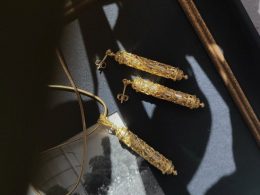
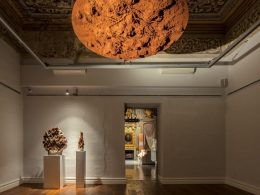
The survey follows an exhibition by Cassar, curated by Elyse Tonna, held last year at MUŻA as part of the project.