


A play selected for the Studio Francis Ebejer Scriptwriting Competition 2024 is being staged at Spazju Kreattiv from tomorrow, May 8 to the 17th.
Set in a seaside town as preparations for the local festa are under way, Ċama Ċama follows a group of villagers as they respond to changes happening around them, challenging their beliefs and traditional way of life.
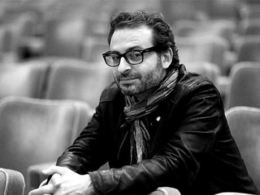
Its title is inspired by the spontaneous seaside game where one calls out another’s name just before leaping into the water. However, in the play, this innocent childhood game evolves into a darker and complex psychological dynamic among adults, with “devastating consequences”, as scriptwriter Gabriel Lia points out.
“The sea is a dominant setting, both literally and metaphorically. It reflects the spirit of the play: when someone ‘goes down’, they will not do so alone, leaving the audience questioning what is truly right,” Lia says.
The plot
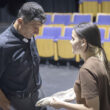
The main protagonist is Christine, played by Alexia Micallef, a young woman who has spent her entire life in an institution. After many years, she reconnects with her childhood friend Margaret (Abigail Borg). The two have taken very different paths in life: Christine is an environmental activist inspired by the Christian values she was brought up with, while Margaret has just started working as a journalist but aspires to become an influencer.
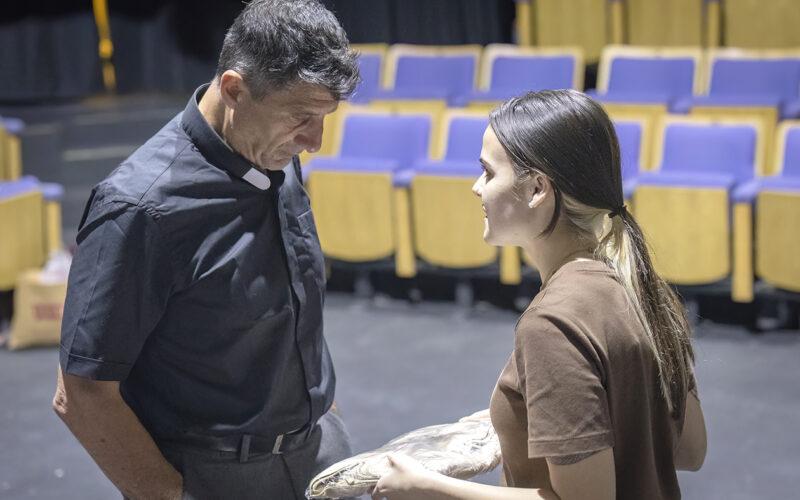
Meanwhile, a new vice parish priest, Fr Clint (Chris Camilleri), arrives in town, but his priorities differ from those of the long-serving parish priest, Fr Noel (Peter Galea).
The local festa is approaching and Fredu the sacristan (Emmanuel Cassar) is extremely busy with the preparations. He brings some comic relief but he too finds himself navigating his own personal journey as events unfold.
“Ultimately, unexpected news surface, turning glory into tension, and we will see just how far Christine is willing to go when something she deeply cherishes is threatened,” Lia reveals.
Themes
Tradition versus change is a key theme of the play. Tradition is here represented by the feast and religious practices.
“The festa is not only recognised as part of UNESCO’s intangible cultural heritage, but for many Maltese, it is also an intrinsic part of their yearly calendar,” Lia says.
At the same time, Malta has undergone rapid change over the past two decades, particularly in urban development and shifting social attitudes.
“These transformations have introduced new lifestyles, values and pressures that often challenge long-held customs, tensions that are vividly reflected in Ċama Ċama,” Lia continues.
“Through its characters, the play explores the delicate balance between preserving what truly matters and adapting to modern realities.”
“Part of the reality many communities are facing today”
Among others, Ċama Ċama raises the question: what happens if you try to challenge the way festas are taking place?
In fact, Lia encourages festa enthusiasts to watch the show, which he believes truly reflects “the joys, challenges and concerns” that accompany these celebrations.
The drama, however, delves deeper into community life, bringing to the fore pressing issues such as the search for belonging and identity – what it means to be part of a place, a religious group or a festa group in this case.
The play’s director, Lee-N Abela, mentions further themes.
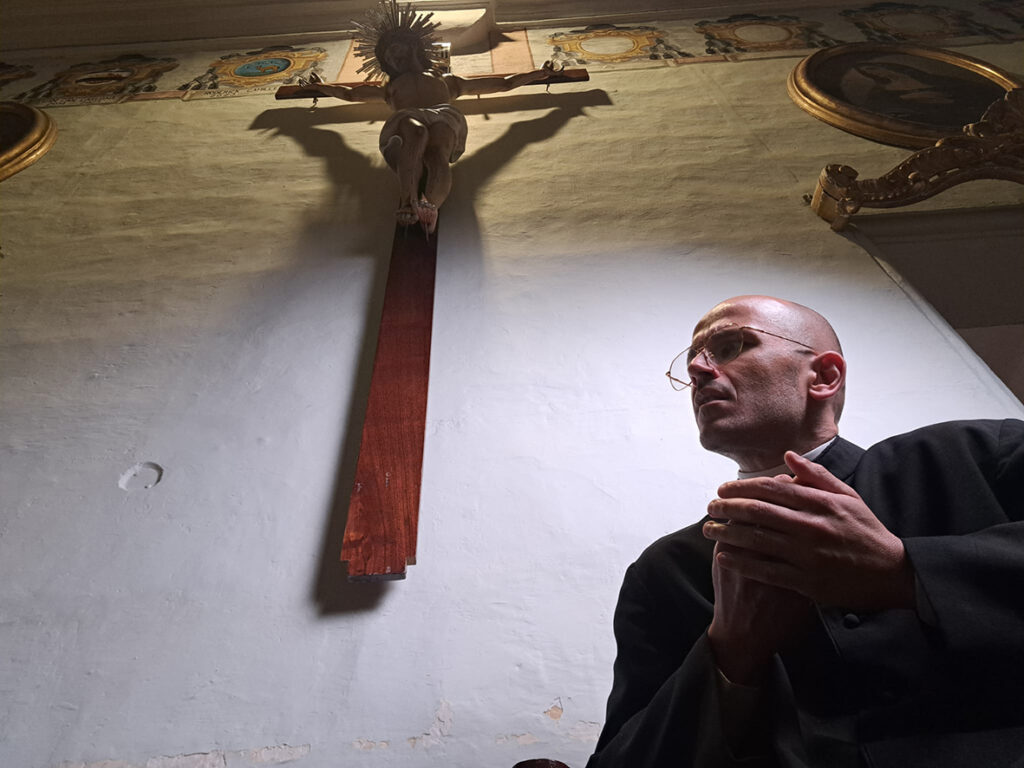
“The piece also looks closely at faith − not just as belief, but as something lived, questioned and at times contested within a community. There’s also an exploration of memory and nostalgia, and how our attachment to the past can shape the choices we make in the present,” she says.
Other more personal themes, such as friendship and loyalty, also emerge.
The staging
Featuring a set design by Romualdo Moretti, Abela says the staging of the show was very much driven by the idea of “placing the audience inside the world of the play”.
“The space is arranged in the round, so the action is constantly shifting in relation to the audience, and there isn’t really a single point of view. We’re also using projections that surround the space, creating an environment that feels fluid and slightly unstable, almost as if the characters are moving through memory as much as reality. Without unveiling too much, the central piece of the set will be changing its purpose according to the scene,” she explains.
“Overall, the aim was to create a visual language that reflects the tensions in the play, between past and present, tradition and change, faith and scepticism (to name a few), and allow the audience to immerse themselves into the experience.”
But will the characters finally embrace change?
“I don’t think the play offers a simple answer to that. What interested me more was the moment where change becomes unavoidable − and how each character responds to that pressure,” Abela says.
“Some of them try to hold on to what they know, others are more willing to move forward, but not without conflict or doubt. It’s less about a clear resolution and more about exposing the emotional and moral complexity behind those choices.
“The play invites the audience to recognise those tensions − because they’re not unique to these characters. They’re part of the reality many communities are facing today.”
Ċama Ċama is suitable for an audience aged 14+. It is being staged at Spazju Kreattiv, Valletta, on May 8-10 and 15-17. The May 10 event will include a Q&A after the show. Gabriel Lia and Lee-N Abela will take part, together with Fr Marc Andrè, parish priest of Paola. Tickets from https:// spazjukreattiv.org/event/cama-cama/2026-05-08/#en.
The play is commissioned by Spazju Kreattiv and is being staged in partnership with Arts Council Malta, Teatru Malta and the Manoel Theatre.