



On December 10, Italian cuisine was inscribed on UNESCO’s Representative List of the Intangible Cultural Heritage of Humanity. The recognition extends beyond pasta asciutta, pizza or any single dish under the Italian sun: it celebrates what the cuisine truly represents − culture, identity, history and tradition.
The announcement was made during the 20th session of UNESCO’s Intergovernmental Committee for the Safeguarding of Intangible Cultural Heritage, held in New Delhi, India.
The news was welcomed across Italy with pride and enthusiasm. While Neapolitan pizza-making and the Mediterranean diet (which includes Italian culinary traditions) were already recognised by UNESCO, Prime Minister Giorgia Meloni had been advocating since March 2023 for Italy’s entire cuisine to receive this distinction.
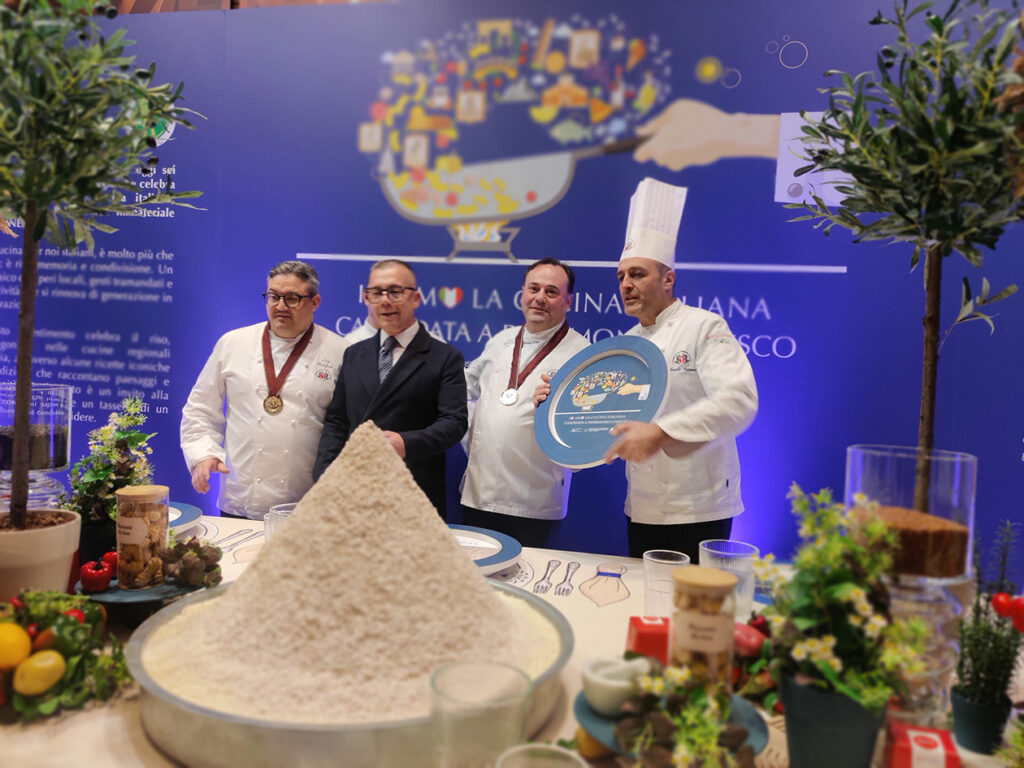
Italy’s candidacy was promoted by a committee formed by the Accademia Italiana della Cucina, Fondazione Casa Artusi and the food magazine La Cucina Italiana, with scientific coordination by professor Pier Luigi Petrillo. The application described Italian cuisine as “a daily practice that encompasses gestures, rituals and knowledge which have given rise to a creative and artisanal use of ingredients, helping to shape a shared socio-cultural identity that is both chronologically and geographically diverse”.
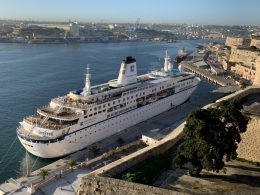
As part of the promotional efforts, the Italian Navy’s historic training ship Amerigo Vespucci, in collaboration with Eataly − the brand synonymous with the taste of Made in Italy − travelled the world for two years, bringing Italian flavours, products and culinary stories to major international ports.
Italian food even reached space: in January 2024, around three kilograms of Barilla fusilli were taken aboard the International Space Station by the crew of the Ax-3 mission.
‘Part of humanity’s heritage’
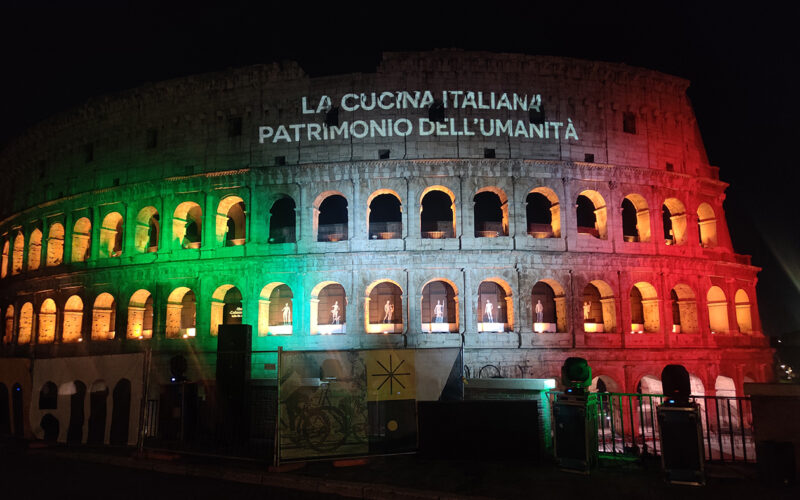
“Italian cuisine in its entirety has today become part of humanity’s heritage,” Italian Agriculture Minister Francesco Lollobrigida said proudly at a ceremony held in the evening of December 10 in front of the Colosseum, itself a UNESCO world heritage site.
“Italian cuisine goes beyond food,” he added. “It represents identity, culture, tradition and history.”
Also present at the event were Meloni and Culture Minister Alessandro Giuli, who, together with Lollobrigida, switched on the Colosseum’s illuminations, featuring projected visuals with music from La Traviata.
Speaking to journalists, Lollobrigida noted that the recognition not only strengthens national pride but also “raises awareness of the need to protect the value and quality of a food model that promotes well-being”.
He added that this honour will lead to greater appreciation of Italian cuisine worldwide which, over time, will mean job creation and economic growth.
A uniting force
Celebrations in Rome continued with a Christmas concert, organised by energy company Enel, at one of Europe’s largest concert halls, Sala Santa Cecilia, at the Auditorium Parco della Musica Ennio Morricone, designed by architect Renzo Piano.
Among those in attendance were the president of the Italian Senate, Ignazio La Russa, the culture and agriculture ministers, ambassadors, institutional representatives, renowned Italian chefs − including Iginio Massari, Massimo Bottura and Franco Pepe − and prominent cultural figures such as songwriter Mogol and television host Paolo Bonolis.
Opening the event, actress Claudia Gerini read an excerpt from Pellegrino Artusi’s 1891 book La scienza in cucina e l’arte di mangiar bene (Science in the kitchen and the art of eating well), which is considered to be the foundation of modern Italian home cooking.
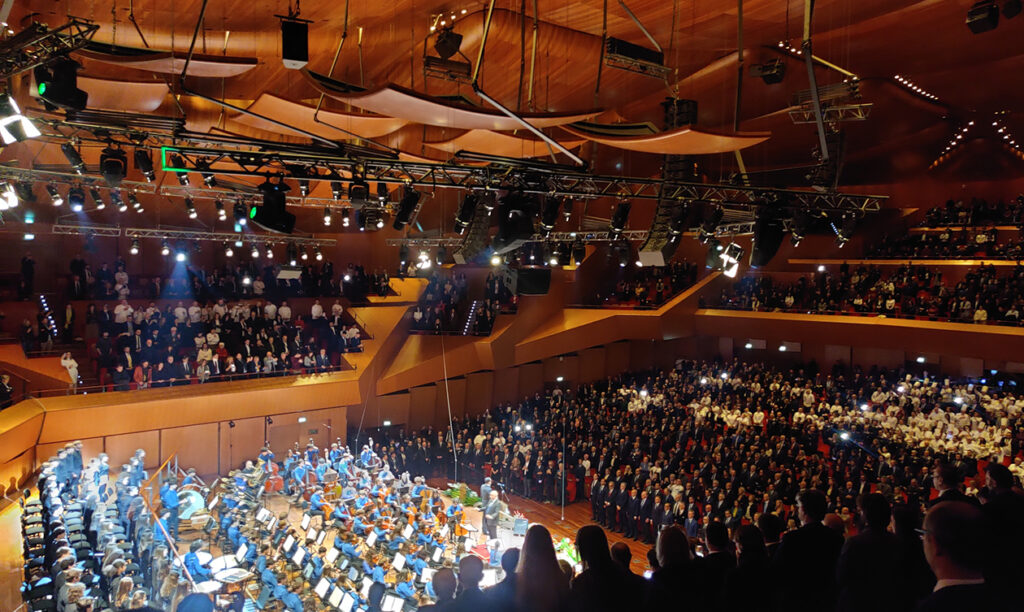
Popular Italian singer Albano, who was accompanied by a children’s choir, then sang Vai Italia, a song written by Mogol with music by Oscar Prudente, in support of Italian cuisine’s UNESCO candidature.
Invited on stage, the culture minister said that, behind Italy’s “extraordinary victory”, lies the fact that “we recognise one another through a few simple yet precise gestures”.
“These gestures are rooted in our communities, in everyday life, in conviviality and in our love for the land and for those who cultivate it, work it and transform it into shared well-being,” he said.
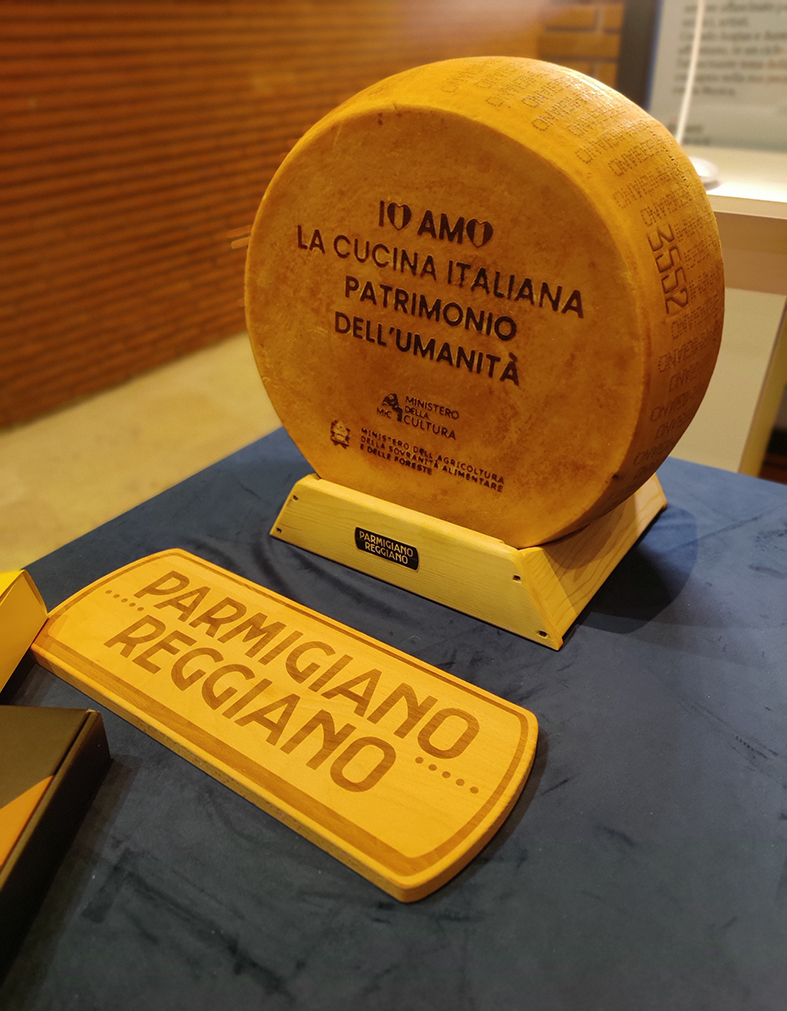
“This well-being is not only physical but also emotional. It is grounded in the principles that make our towns, villages and cities unique, enriched by an extraordinary cultural and gastronomic biodiversity and by traditions that stretch back centuries. This is why cuisine is culture in Italy: culture cannot exist without the entire chain of production that sustains it.”
Referring to Artusi’s book, Giuli poetically said that the kitchen is “the place where the fire burns and where the whole family gathers. It is there that the myth is celebrated, where love is expressed and where we honour our ancestors. Our cuisine, in this sense, is everything”.
This sentiment was also reinforced by the agriculture minister who said: “Italian cuisine unites the population more than anything else. It gives us a shared language. While we spend much of our time divided, our cuisine brings us back together.”
The celebrations concluded with a classical music programme performed by the young musicians and choristers of the Accademia Nazionale di Santa Cecilia.