

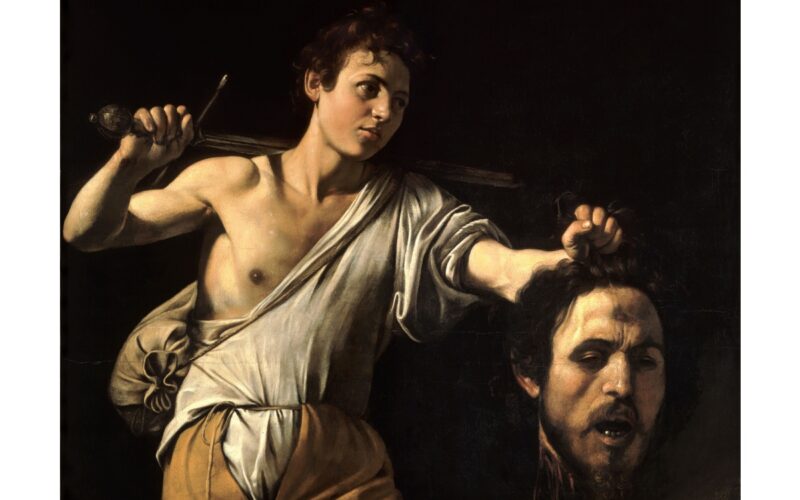
Does a life inform one’s art? Does it follow that a passionate, violent nature will inevitably create dramatic, even dark, artworks?
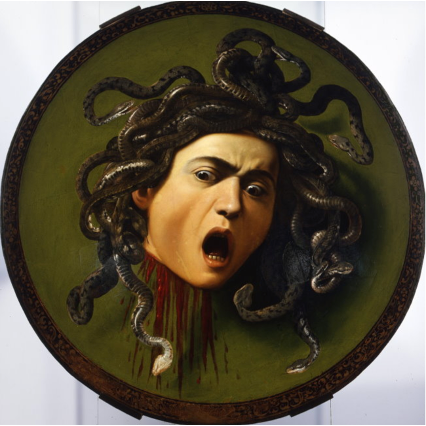
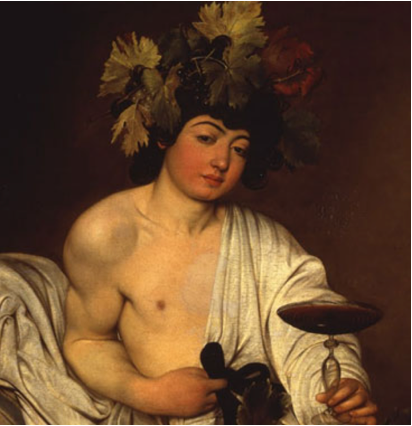
The life of Michelangelo Merisi da Caravaggio was full of drama and passion, and it could be argued that his art mirrored his life. Although sometimes deeply disturbing, Caravaggio’s paintings demonstrate an understanding of realism and also of faith.
In a lecture to be delivered today, Alison Barker will analyse both the art and the man, exploring these questions and getting closer to the meaning in Caravaggio’s works.
Barker taught history and art history at further and higher education level for over 20 years and currently works at the University of Essex. She speaks widely to diverse groups on many historical and art historical topics, and has led guided tours at the British Museum and the National Gallery.
Barker wrote her PhD thesis on the depiction of St George in art, and has published work on his image in both England and Italy. She has presented papers for the Renaissance Society of America in both Boston and Dublin.
Her book, The Dissemination of St George in Early Modern Art, has been recently published by Routledge.
The lecture, titled Caravaggio: art and man, will be delivered today, Thursday, January 8, at the Radisson Blu Resort Hotel, St Julian’s, at 6.30pm. For more information and registration, e-mail Nicole at mem.asinmalta@theartssociety.org or call 9989 1006.