


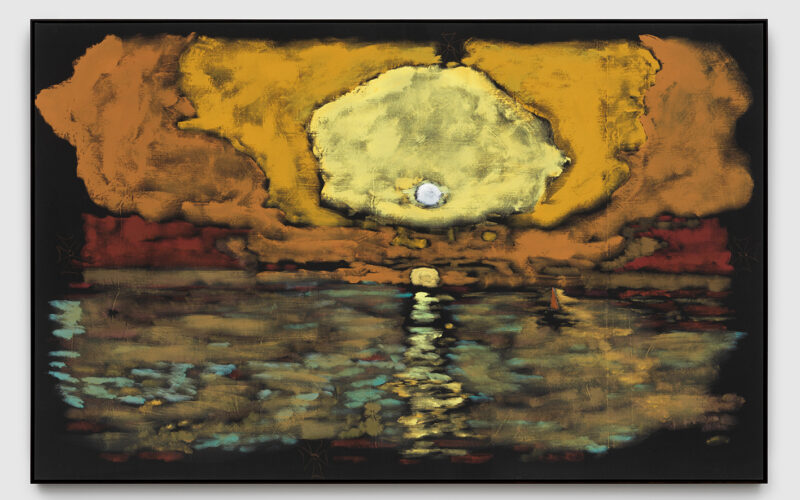
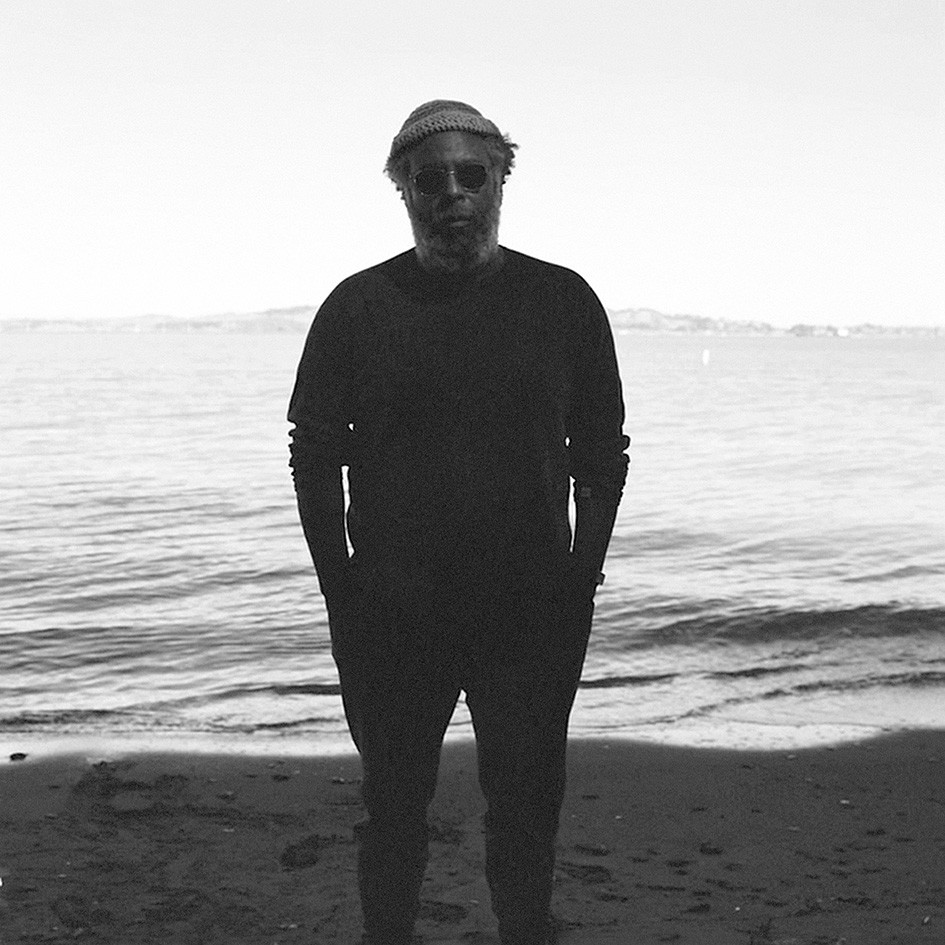
Californian artist Reggie Burrows Hodges made Malta his home while working on his latest collection, which goes on display at MICAS this month. The island has inspired his most ambitious body of work – his largest canvases to date – and a newfound exploration of Malteseness.
Malta is a long way away from his hometown of Compton, California. But in this small Mediterranean island, contemporary artist Reggie Burrows Hodges seems to have tapped into a new guiding force of energy and direction, which has informed and generated the art he will be showing at the Malta International Contemporary Art Space (MICAS) this month.
He calls his work “a poem, a novel to the people of the country” where he feels welcome – and Reggie Burrows Hodges: Mela is by far his most ambitious body of work to date, including his largest canvases to date, inspired by his engagement with Maltese culture and history.
“Without making the journey to Malta and spending time immersing myself in the culture, I wouldn’t have had a shot at its richness. That would have been a real loss – not for Malta, but for me,” says Hodges, who has made Malta his home after moving his studio here to create over 30 paintings for the exhibition.
Invited by MICAS to experience the Maltese islands, a central theme for Hodges has been experiencing Caravaggio’s The Beheading of Saint John the Baptist, for which he has created a monumental, eight-metre wide painting as an ode.
“What Caravaggio did when he was in Malta was this incredible work that was site-specific, a masterpiece. And having that as a standard, I aspired to create this work that would pick up the conversation from Caravaggio and move from there,” Hodges says.
His use of high-contrast light and shadow clearly pays homage to the baroque master and his treatment of light.
“We all stand on the shoulders of that command of light and dark. So within my body of work within Malta, it is also allowing black to play this enormous role in these compositions as my ode to the chiaroscuro and the master’s work,” Hodges says.
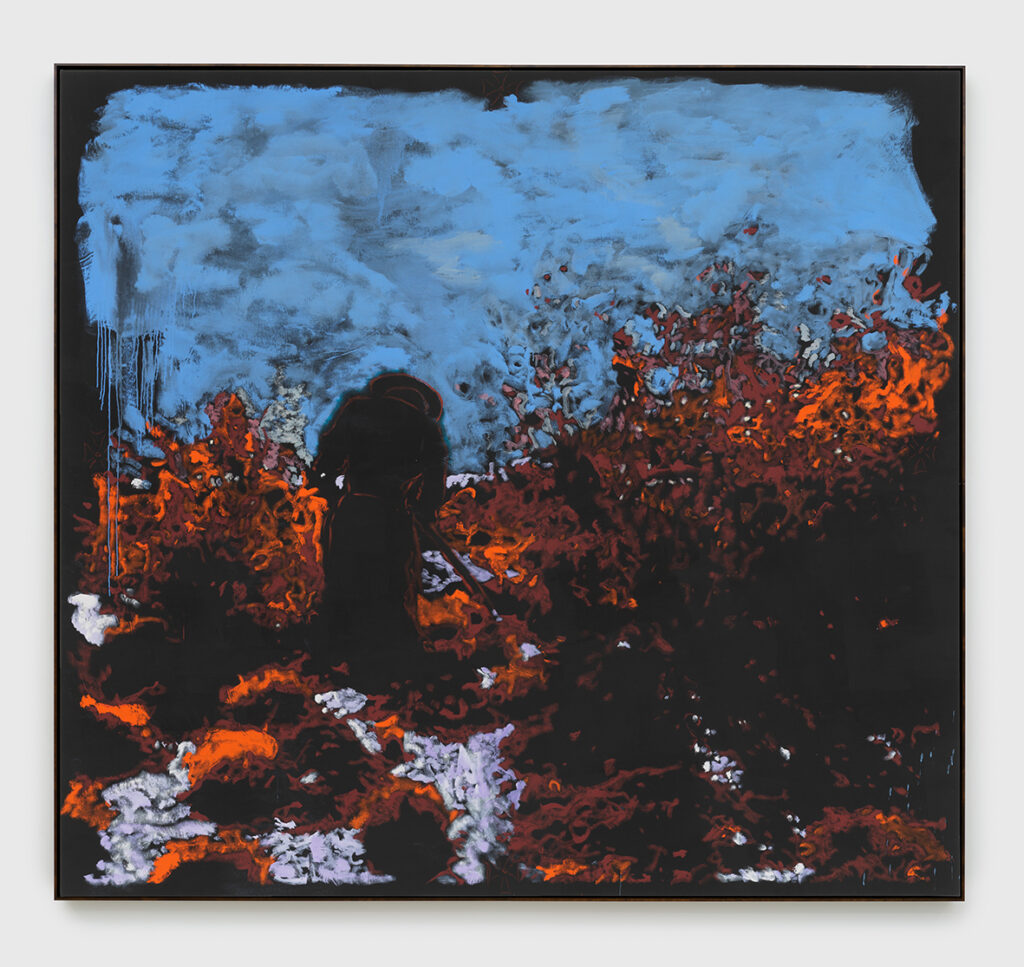
Indeed, in his Labor series, Hodges extends his trademark exploration of place and human activity into scenes of Maltese life, presenting meditative, atmosphere-laden snapshots in which workers, women and bathers emerge from the negative space of his black colour field, drawing the viewer’s eye to their surroundings and gestures.
For Hodges, labour is central even to the still-young history of MICAS; having witnessed its realisation over the past two years, he retains a vivid memory of how this home of Maltese contemporary art came into being.
“How powerful it is to be able to see this building today, having been constructed on the backs of human beings putting in this tremendous effort to see something through. For me, that was incredibly compelling,” he says.
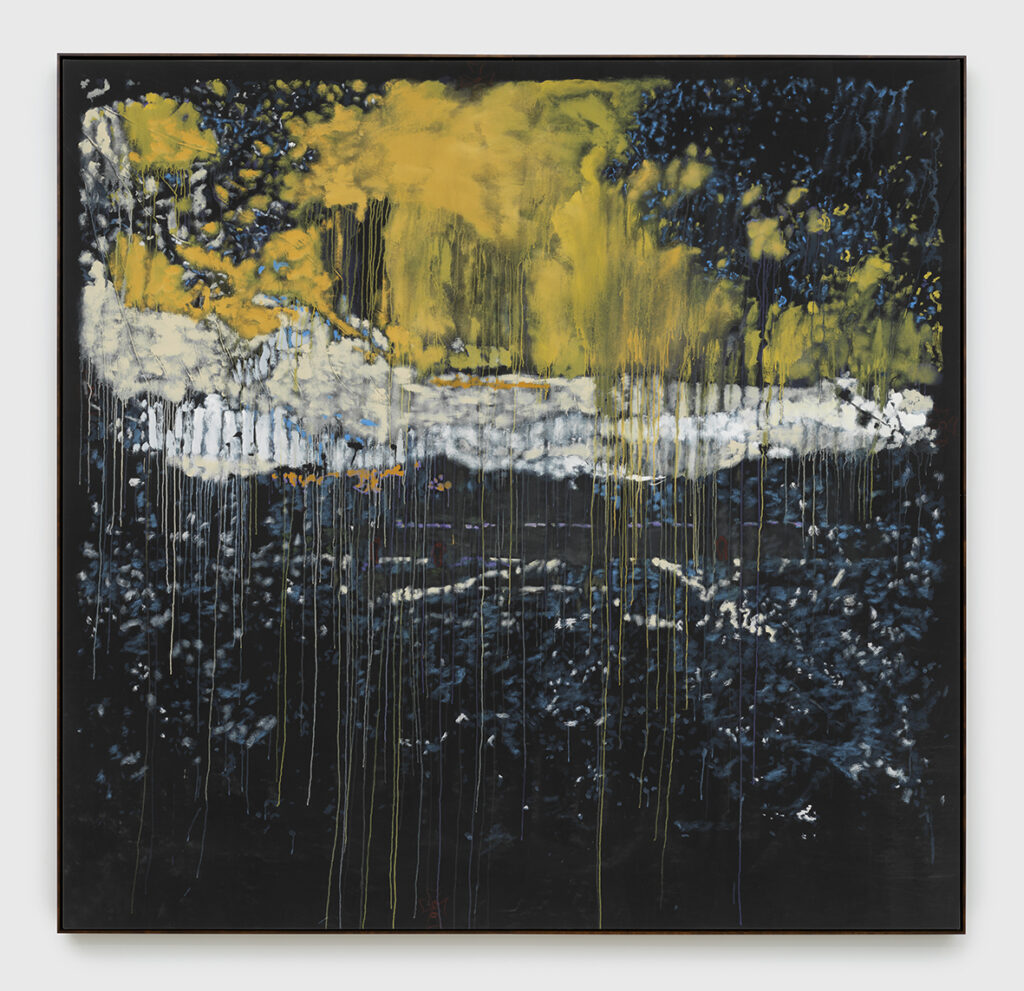
Hodges adds he felt a responsibility to reflect this spirit of labour through his images.
“Because I was able to engage also with the folks that were responsible for stacking brick by brick, to make something. Something they may or may not even have access to or agency of, other than the fact that they have no ownership of it. But they were a part of it,” he continues.
A former tennis coach in a varied career that has also included TV, film production and touring with his New York dub band Trumystic, Hodges’s work also focuses on the spectacle of sports, where the collective energy of the crowd evokes the atmosphere of a gladiatorial contest.
“There’s this incredible activity of water polo teams in each town, with a reverence for it and a sense of community and gathering that is incredibly powerful, very much like gladiators in a new way… and there’s honour in it, and respect for their coaches and their leadership…,” he notes.
This sense of communal force is especially evident in Reggie Burrows Hodges: Mela, where the scenes he portrays are imbued with his broader investigation of human dignity and endurance.
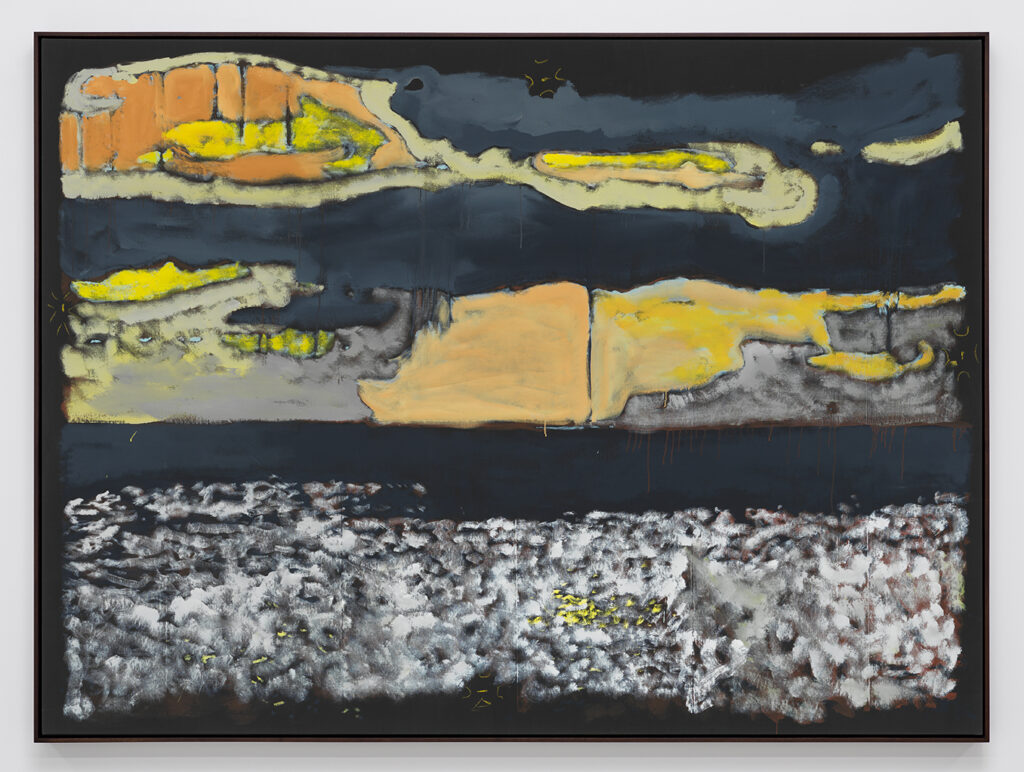
“Everything I am engaged in, is in some way trying to reflect a spirit of place, time and the people whom I have been incredibly fortunate to come into contact with… I understood clearly that there was a responsibility to really put my back into this and offer the best I have. You should just operate like that, no matter what… but there just seemed to be a deeper connection to do this. And in all of those moments that you’re riddled with doubt, that force of light and responsibility, that spirit, just kind of gets you over to the next thing.”
Cumulatively, the exhibition becomes a sort of threshold to ‘Malteseness’, much like the word itself − “mela” in Maltese speech often serves as a verbal clearing where ideas are not yet fixed, but already in motion – a point of origin.
Discovering the word’s polyvalence, Hodges found in it an expression of the Malteseness he encountered − a sense of beginning, a moment of origin where language pauses before possibility unfolds.
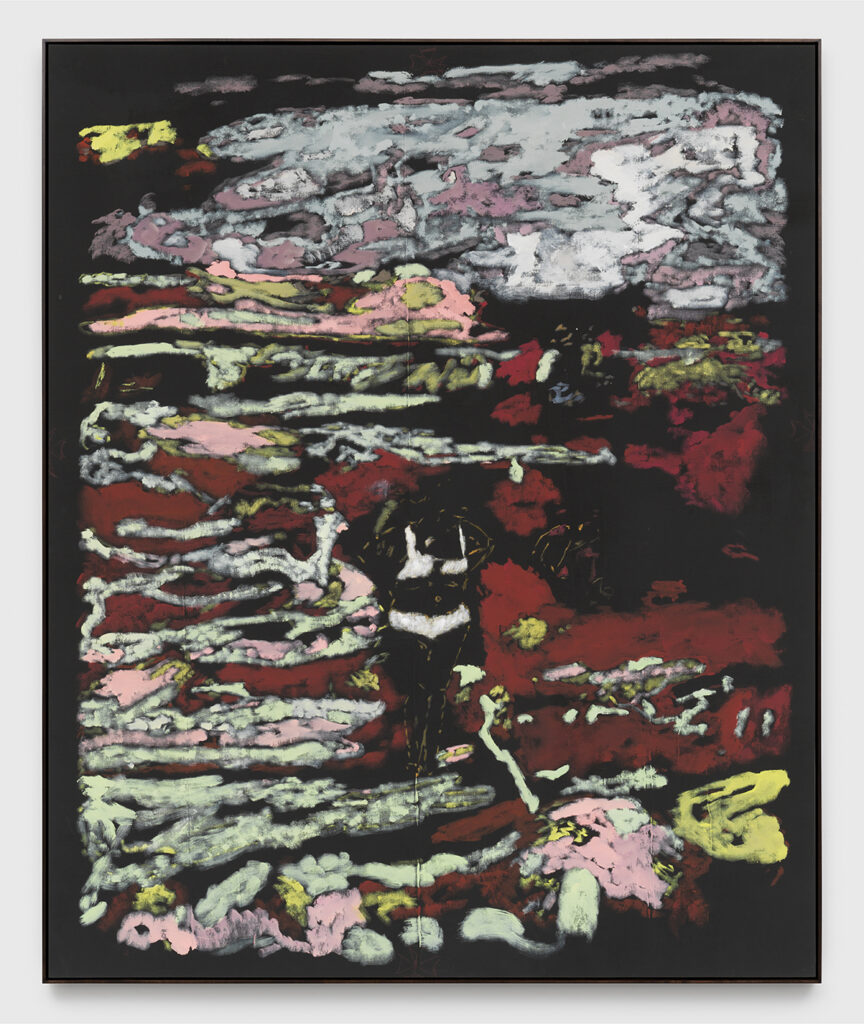
“When you look at my paintings, you’re looking at a slide… a series of slides connected… never trying to get an idea conveyed in one piece, in one work,” Hodges says, conjuring the idea of the Kodachrome slide when held up to the light, the image illuminated from within.
Hidden to the viewers’ eyes will be the ‘Maltese Cross’ marks that Hodges included as his own registration marks, but are now no longer visible in the stretched-out corners of his canvas. To Hodges, these registration marks provided him with a bounding box “to do something hopefully worthy of being contained”.
Viewers at MICAS will see a new Malta emerging out of Hodges’s black canvas, perhaps the same Malta he sensed in those fleeting exchanges where “mela” seemed to chime through conversation.
Like that Kodachrome slide, that captured the vivid colours of that nostalgic, analogue childhood, we might rediscover the same sense of awe Hodges channelled as he cast his gaze over the rugged Maltese coastline to capture a stillness in time.
Reggie Burrows Hodges: Mela opens at MICAS, Floriana, on May 9.