




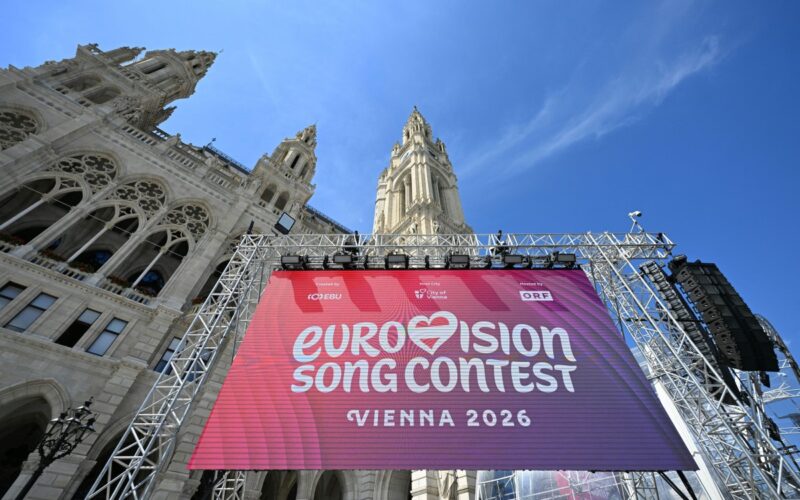
Vienna is hoping an invasion of pop fans for the Eurovision song contest next week will further burnish its reputation as a cultural and musical destination.
Barbara Novak, deputy mayor of the Austrian capital, long known for its classical music tradition, told reporters she was delighted to showcase the city.
“All the cities that have hosted Eurovision in recent years show a particularly positive trend in terms of economic growth and value creation,” she told a news conference.
With 20 million overnight stays and 8.9 million visitors in 2025, Vienna, which is home to two million people, is already one of the most popular destinations in Europe.
Its appeal goes well beyond its Christmas markets and the celebrated New Year’s classical concert.
Tens of thousands of people are expected on the streets of the city with the arrival of Eurovision, filling hotels, restaurants, shops and museums.
“It is generating a lot of business in many areas,” city authorities told AFP, even if it does not want to make any projections for the time being.
“A detailed study… will be published after the event,” a spokeswoman said, noting that in Basel − hosts of last year’s event − 500,000 people, including local residents, took part in Eurovision week.
The Swiss city spent €36 million to host the competition.
Vienna, whose finances are in the red, has spent €22.6 million − a third less − thanks to its “excellent existing infrastructure”, city authorities said, which includes the 16,000-seater venue that will host the contest.
Musical cruises
Vienna, the city of Mozart and Beethoven, is home to the United Nations and OPEC, among others, and is an experienced host.
It has hosted Eurovision twice previously, most recently in 2015.
The first official event is on Sunday with the “turquoise carpet”, when contestants from the 35 participating countries parade between the Burgtheater and the neo-Gothic city hall.
But Vienna is already in party mode.
“From May 4 to 15, the whole city becomes a stage,” said Vienna’s authorities, aiming to put on a model show against a backdrop of calls for a boycott due to the participation of Israel, which could put a dampener on the celebrations.
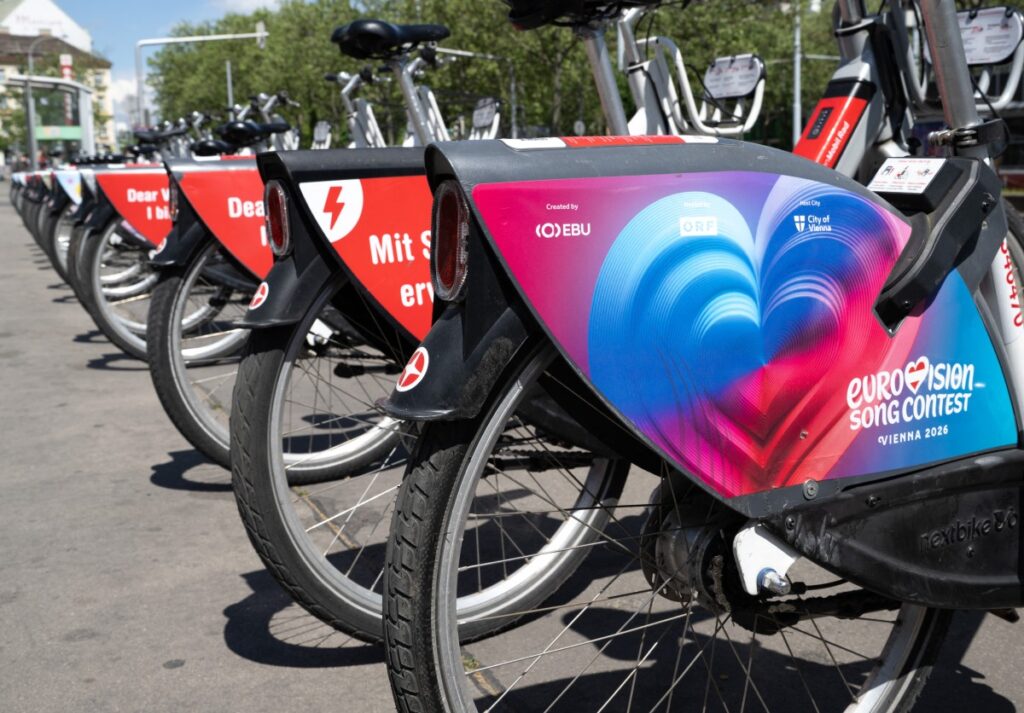
The 550 trams that criss-cross the city have for the last two weeks been flying pendants proclaiming “Vienna 12 points” − in a nod to top marks in the competition.
A fan zone in front of the city hall will be able to accommodate 15,000 people every day and 30,000 on the evenings of the semi-finals and the final, with giant screens set up in other locations for the public to watch.
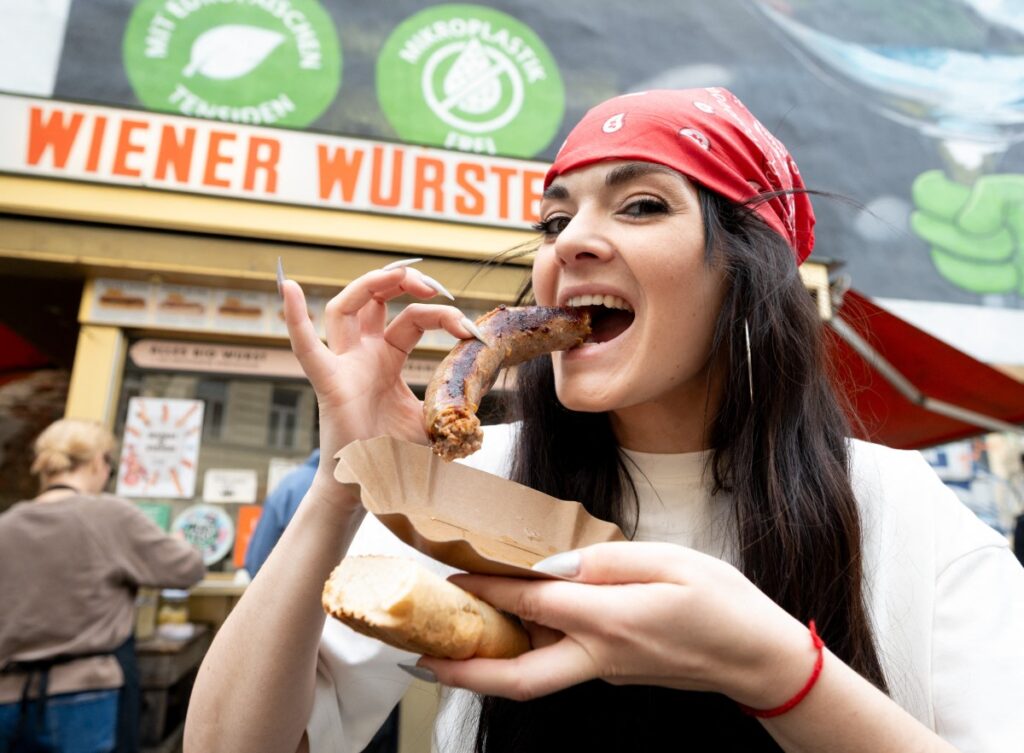
Musical cruises on the river Danube, yoga sessions, a tour through the city’s queer history and how to make sausages or Wiener Schnitzel − Austria’s breaded veal cutlet delicacy − are among events featured in the “offstage” programme.
Eurovision has some 170 million viewers across the world, not counting social networks.
“It’s a unique opportunity to reach new audiences and to strengthen our image internationally,” the mayor’s office said.
Eurovision, it added, was a chance to sell a postcard image of “an open, modern and inclusive city” as well as “a global capital of music”.