



The Malta International Organ Festival comes to an end in Valletta on Sunday. The final evening gathers Handel, Rheinberger, Vivaldi, Duruflé and Naji Hakim into a shaped programme that shows the instrument in turn as soloist, as concerto partner and as a source of vivid colour.
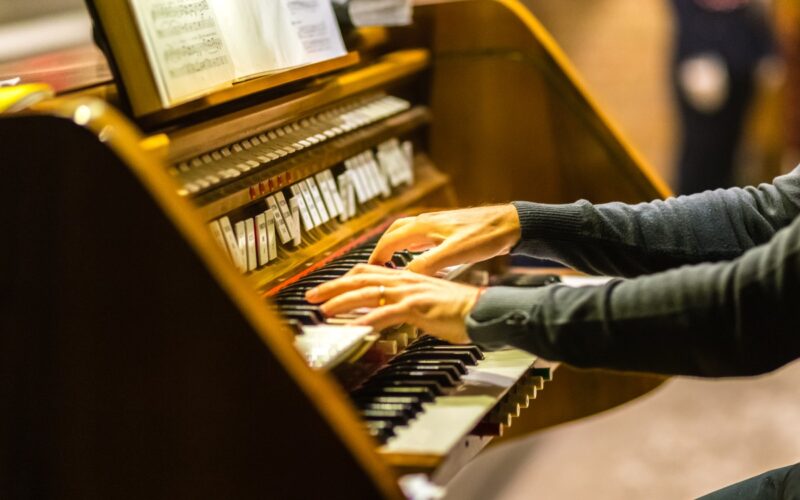
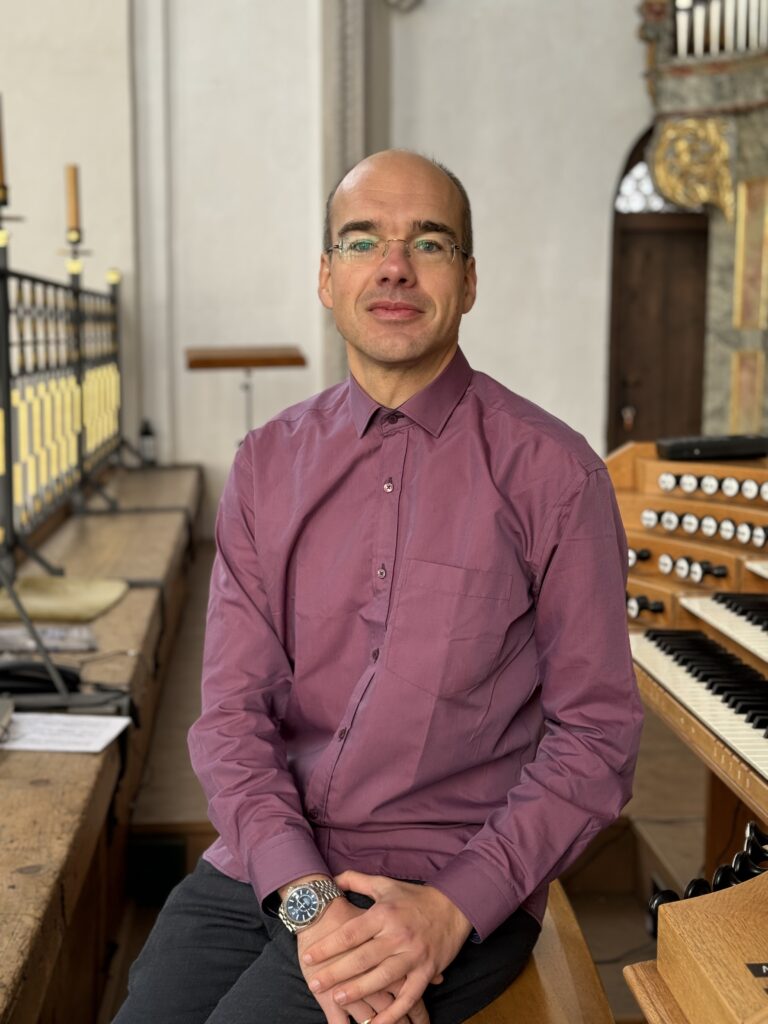
At 7pm the Malta International Organ Festival Orchestra will perform at the Basilica of Our Lady of Porto Salvo and St Dominic under the direction of Johannes Skudlik, with Winfried Lichtscheidel at the console. The basilica’s instrument will be heard on its own and with orchestra, moving from baroque brilliance to contemporary energy.
The programme opens with the Ouverture from Handel’s Music for the Royal Fireworks in Lichtscheidel’s arrangement for solo organ. Originally conceived for a large outdoor band, it appears here on a single set of pipes, the dotted rhythms and fanfares turned into a compact ceremonial flourish at the keyboard.
Late Romantic warmth follows in Josef Rheinberger’s Organ Concerto No. 1 in F major, Op. 137. The concerto gives the organ a true concertante role, with long lyrical phrases and generous harmony set against clear orchestral writing.
Vivaldi’s Winter from The Four Seasons keeps the focus on vivid scene painting. In this transcription, the biting violin figures become crisp passagework for the hands, while shifts in registration suggest icy gusts and sudden storms. The well-known Largo turns into an intimate organ aria, a single singing line over a gentle accompaniment.
French sonorities arrive with Maurice Duruflé’s Toccata, Op. 5, a 20th-century classic. Its continuous semiquavers and insistent rhythmic pattern demand precision and stamina, while harmonies coloured by Debussy, Ravel and Gregorian chant give the music a luminous, slightly restless atmosphere that sits well in the basilica’s generous acoustic.
Hakim: a contemporary voice with Maltese roots
The festival, which opened with music by Girolamo Abos, a name closely linked to Malta’s musical past, signs off with Naji Hakim’s Organ Concerto No. 3, which stands on the energetic, rhythmically alert side of contemporary organ writing.
Hakim, born in Beirut and long based in Paris, is widely recognised as a leading figure of the French organ school and as successor to Olivier Messiaen at La Trinité school. Like Abos at the opposite end of the programme, he can also be claimed as Maltese, since he proudly acknowledges Maltese ancestors in his family line.
In the Third Concerto, the outer movements are driven by bright thematic ideas and sharp rhythms, with the soloist constantly in motion, while the central Moderato allows long chant-like phrases to unfold over calmer harmony.
Taken together, the works chosen for the closing night sketch a portrait of what the organ has represented in different periods, from baroque spectacle and Romantic warmth to French refinement and an evolving Mediterranean imagination.
For more information and tickets, click here.