


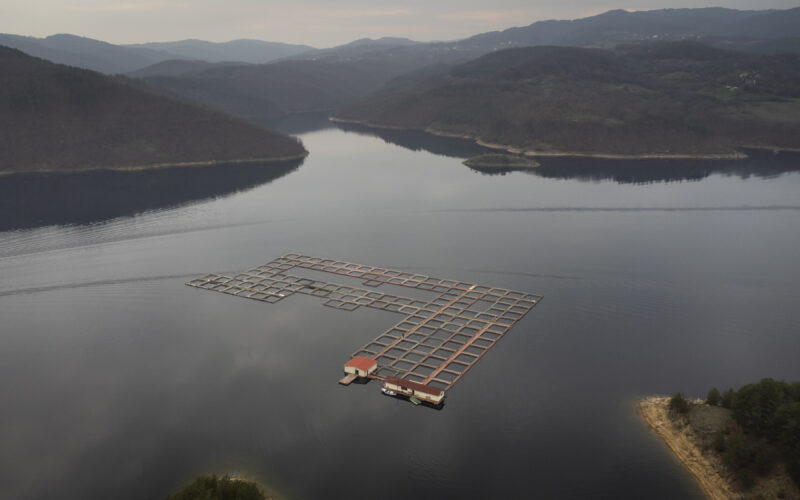
There is no rest for Matey Mateev in the run-up to the festive season as the world’s gastronauts dig deep to splash out on his beluga caviar.
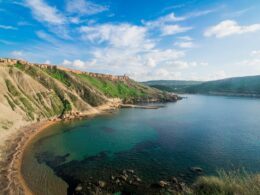
November and December are the busiest months for Mateev on his farm on Kardzhali lake in the heart of the Rhodope mountains of southern Bulgaria, the mythical birthplace of Orpheus.
In the large lake “sturgeons enjoy natural conditions similar to those of the Black Sea and the Caspian Sea, their seas of origin”, Mateev said, his cheeks red from the cold.
“It is deep and the water feeding it comes from an unpolluted mountain,” added the 53-year-old.
Mateev, a pioneer in Bulgarian caviar production, was born in the area known for exceptional biodiversity and crystal-clear rivers.
He started his business in the 1990s, shortly after the collapse of four decades of totalitarian communist rule that left Bulgaria in severe economic crisis.
Mateev said he started breeding carp before he “chanced upon” the sturgeon and, subsequently, caviar.
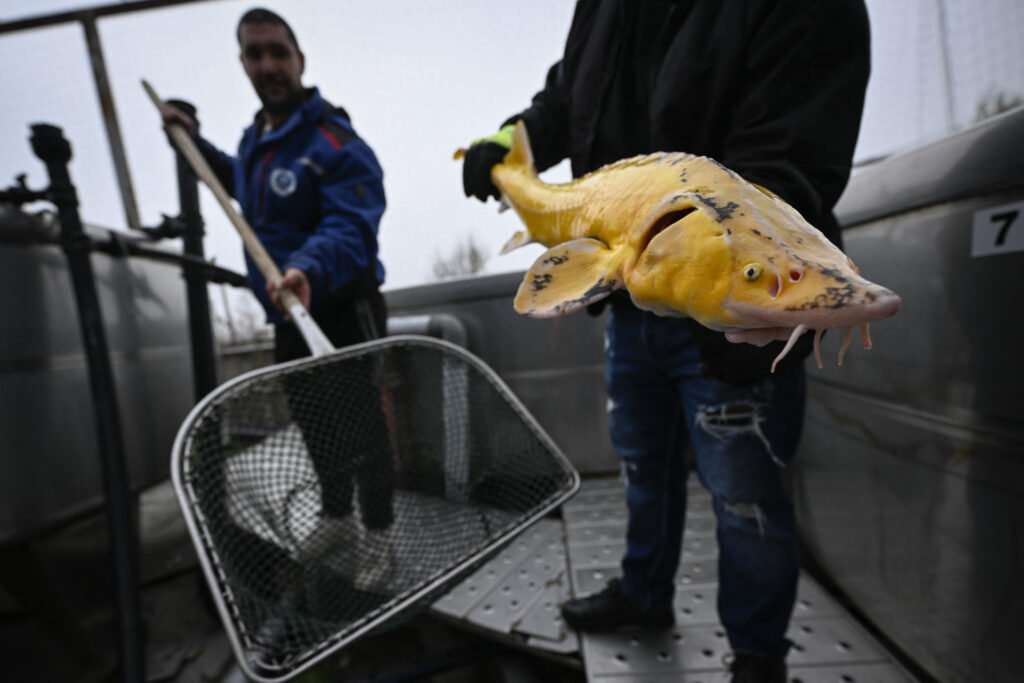
Caviar producers worldwide breed different species of the fish, but Mateev picked one of the rarest − the beluga.
Bulgaria ranks among Europe’s largest producers of this “king of caviars” with annual production exceeding 520 kilos in 2023, according to Eurostat.

Expensive delicacy
The beluga, one of the largest freshwater fish, can live more than 100 years and grows up to six metres in length.
But breeding it requires hefty investment and time − it matures slowly and becomes fertile late, at around 15 years of age, compared with seven to 10 years for other species.
“These days we only produce beluga caviar from fish over 20,” said Mateev, while his 25-year-old son Boris joked, “Some are older than me.”
In the laboratory where the caviar is extracted and refined, Mateev works with his brother and son.
“Each kilo of caviar passes through my hands,” Mateev said.
He exports his to “almost every place in the world, almost every continent”, but especially to France.
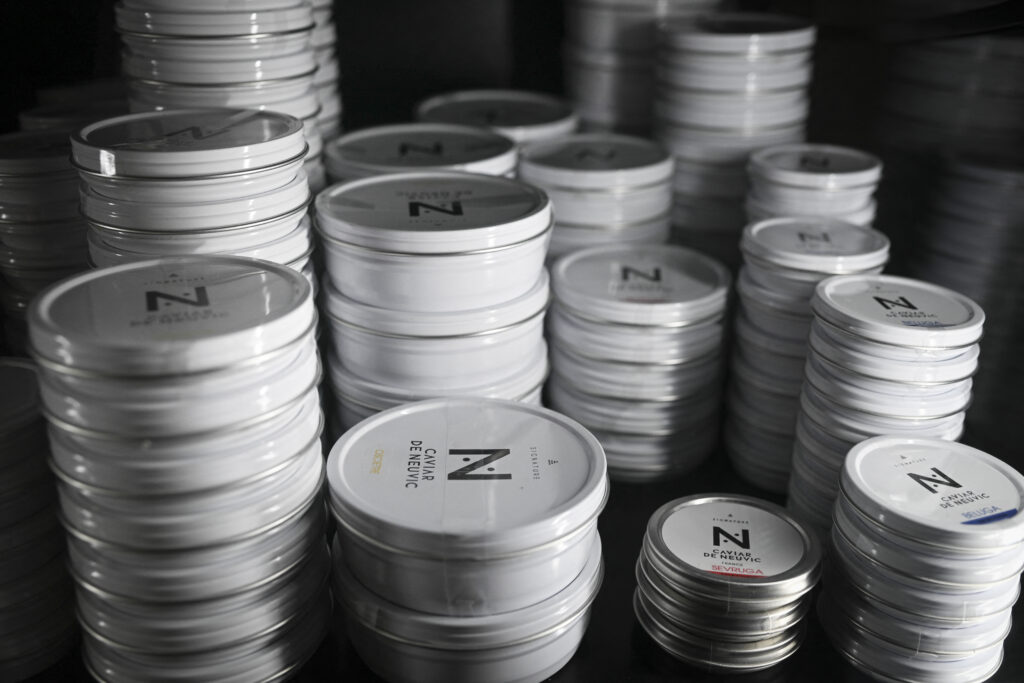
Two thousand kilometres from Lake Kardzhali, luxury shops in Paris sell his beluga in small round tins under different brand names.
“We are in the peak season as Christmas is approaching,” said Olivier Veillet, of Caviar de Neuvic, a caviar company in Paris.
Beluga caviar is the most expensive kind: “You’ll pay €192 for a 30g box,” he said in front of a refrigerated display case containing the precious delicacy.
Charles de Saint-Vincent, manager at the Maison Boutary restaurant in Paris, said beluga was “two to four times more expensive than ‘classic’ caviar”, selling for €3,000 to €8,000 per kilo.
Star’s ‘grey babies’
While other caviars are brown, beluga grey and rather large.
Hollywood legend Elizabeth Taylor “called beluga caviar her ‘grey babies’,” said Saint-Vincent, the author of Caviar: A Simple Guide for Lovers.
“It is a rich but not too strong caviar, sweet and intense at the same time, particularly rich in texture and with a very buttery flavour that lingers,” he said.
China dominates global production with Europe’s top sturgeon caviar producers being Italy with some 65 tons and France with 44.5 tons a year.
But beluga caviar accounts for only 1% of the total, said Saint-Vincent.
Bulgaria has found a niche, he added, because the Danube and the Black Sea are a natural habitat of the sturgeon, including beluga, and Bulgarians are familiar with the species.
The EU member country currently has a handful of sturgeon farms, mainly of the oscietra sturgeon, with most of the production coming from the three farms at Kardzhali lake.
While sturgeon farming is thriving, the wild sturgeon remains seriously endangered as a victim of overfishing and pollution dating from the 1980s.
An indefinite ban on fishing the species in Bulgaria comes into effect on January 1.