




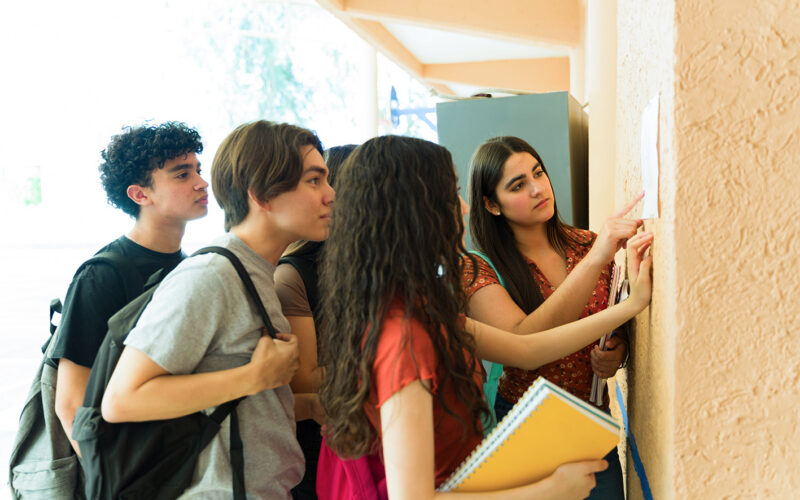
For post-secondary students, the beginning of a new year often carries a particular weight. Beyond the symbolic turning of the calendar, this period marks the final stretch towards MATSEC examinations.
This year marks an academic milestone that many students have been preparing for over several years. As routines resume after the festive break, students are once again immersed in a demanding academic reality that requires not only intellectual effort but also emotional resilience.
At this stage, many students are managing an intensive workload that includes the memorisation and consolidation of content for two Advanced-level subjects, three Intermediate-level subjects, and the Systems of Knowledge examination.
Alongside this, students are completing the final polishing of major coursework components. Systems of Knowledge candidates are finalising their project for submission, while A level biology students are completing the practical file that includes the write-ups of all weekly experiments they carried out during the two-year course, scanning them carefully and compiling them into a single digital document to be submitted for external marking as part of the overall A-level grade.
Students following other academic pathways, such as IT, are also completing substantial project-based assessments.
This concentration of academic demands coincides with the realisation that MATSEC oral examinations will begin in April, followed closely by written examinations towards the end of the same month.
As these dates approach, it is common for students to experience heightened pressure and self-doubt, particularly when reflecting on whether they have revised enough, remembered enough, or progressed as quickly as they believe they should have.
Psychological impact of the festive period
In the weeks following the Christmas holidays, many students report a lingering sense of unease. Some feel the time spent enjoying family gatherings or resting was time taken away from study. Others fear that moments of relaxation may have placed them at a disadvantage compared to peers who appeared to work continuously throughout the break.
From a psychological perspective, these reactions are understandable, yet often misplaced.
Periods of rest play a crucial role in sustaining concentration, motivation and memory. Cognitive recovery allows the brain to consolidate learning and regulate stress responses more effectively. Rather than weakening academic performance, restorative breaks often support it, particularly during long and demanding examination cycles.
As academic routines intensify, students may find that internal pressures return quickly. Thoughts such as “I am running out of time”, “I am not remembering enough” or “I cannot afford to make mistakes” become more frequent. For some, these concerns are accompanied by fears of disappointing parents, teachers or loved ones, or of being judged negatively if results do not meet expectations.
“Periods of rest play a crucial role in sustaining concentration, motivation and memory”
It is important to recognise that such thoughts are not indicators of failure or inability. They are common psychological responses to high-stakes examinations. The challenge for students lies not in eliminating pressure entirely, but in learning how to manage it in a way that supports sustained effort and well-being.
Rebuilding focus and confidence
As students move through the coming months, academic resilience becomes particularly important. This does not require perfection or relentless intensity, but rather consistency, self-awareness and adaptability.
Students may benefit from approaching this period with a steady mindset, focusing on realistic daily goals rather than attempting to master everything at once. Structured study sessions, combined with regular breaks, support both concentration and memory retention.
Equally important is the ability to challenge unhelpful self-talk. Feelings of inadequacy often reflect anxiety rather than actual academic standing, especially among students who have already demonstrated commitment and perseverance by reaching this stage.
Looking ahead with purpose
This new year represents a significant chapter for post-secondary students. It is a period marked by challenge, but also by opportunity. The effort invested over the coming months through revision, coursework completion and exam preparation has the potential to translate into outcomes that reflect students’ dedication and growth.
As MATSEC examinations approach, students are encouraged to move forward with focus, self-belief and compassion towards themselves. Progress does not require constant pressure; it requires persistence, balance and trust in the work already done.
For many students, this year could be a particularly meaningful one academically, personally and emotionally. With resilience, support and steady effort, it can also be a year in which hard work is rewarded and achievements are realised.
Educators wish all the very best to all students.
Josephine Ebejer Grech is a doctoral candidate specialising in the neuroscience, neuroplasticity, metacognition, well-being and academic resilience of post-secondary students.