


A Maltese arthouse film whose production came to mirror its themes of death, power and grief will premiere at the Mediterrane Film Festival this week.
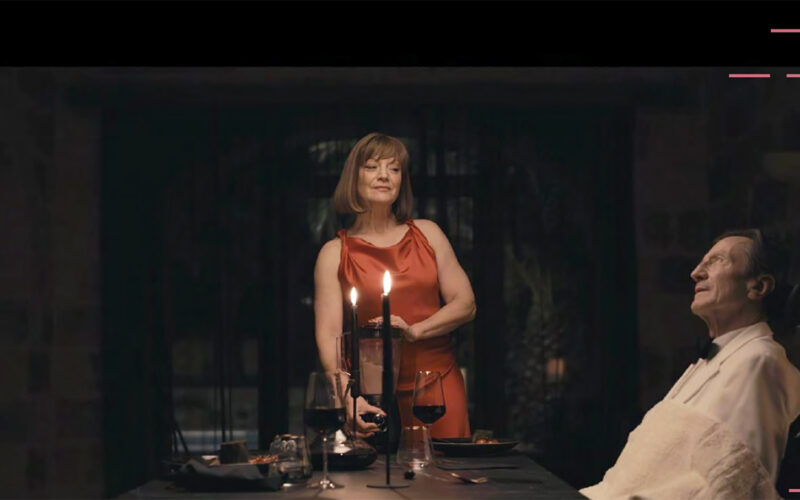
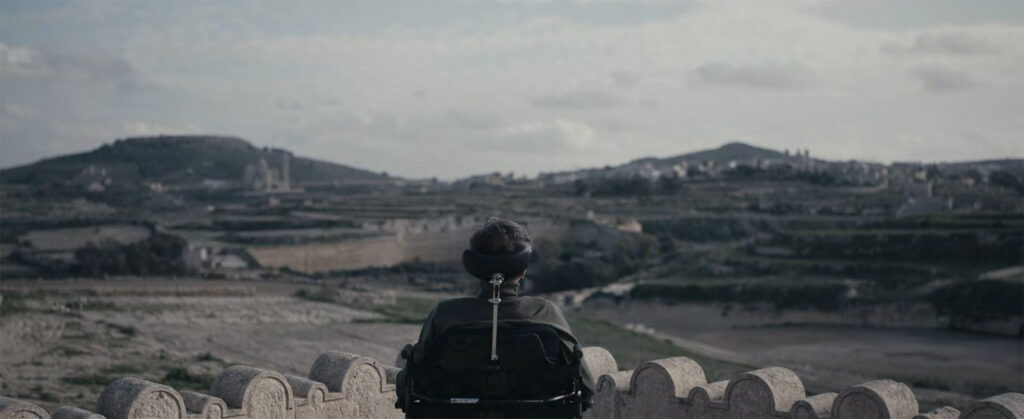
Set against the dramatic Gozitan landscape, Vanitas tells the story of Maria, a woman in her late 50s, who has dedicated the best years of her life to obsessively caring for her terminally ill husband, Felix. As his end approaches, she accompanies him to fulfil his last wish: dying in his childhood home in Gozo.
When Maria encounters a young priest, full of fantasies of salvation, she finds herself caught in a struggle between death, miracles and madness.
What begins as a journey of farewell unfolds into an exploration of faith, grief and how death − one of the world’s greatest mysteries or fears − reshapes the lives and the power dynamics of those left behind.
One of the few Maltese productions to screen at the Mediterrane Film Festival, Vanitas will premiere on Friday, June 25 at the Embassy Cinema in Valletta. Another screening will take place on June 27.
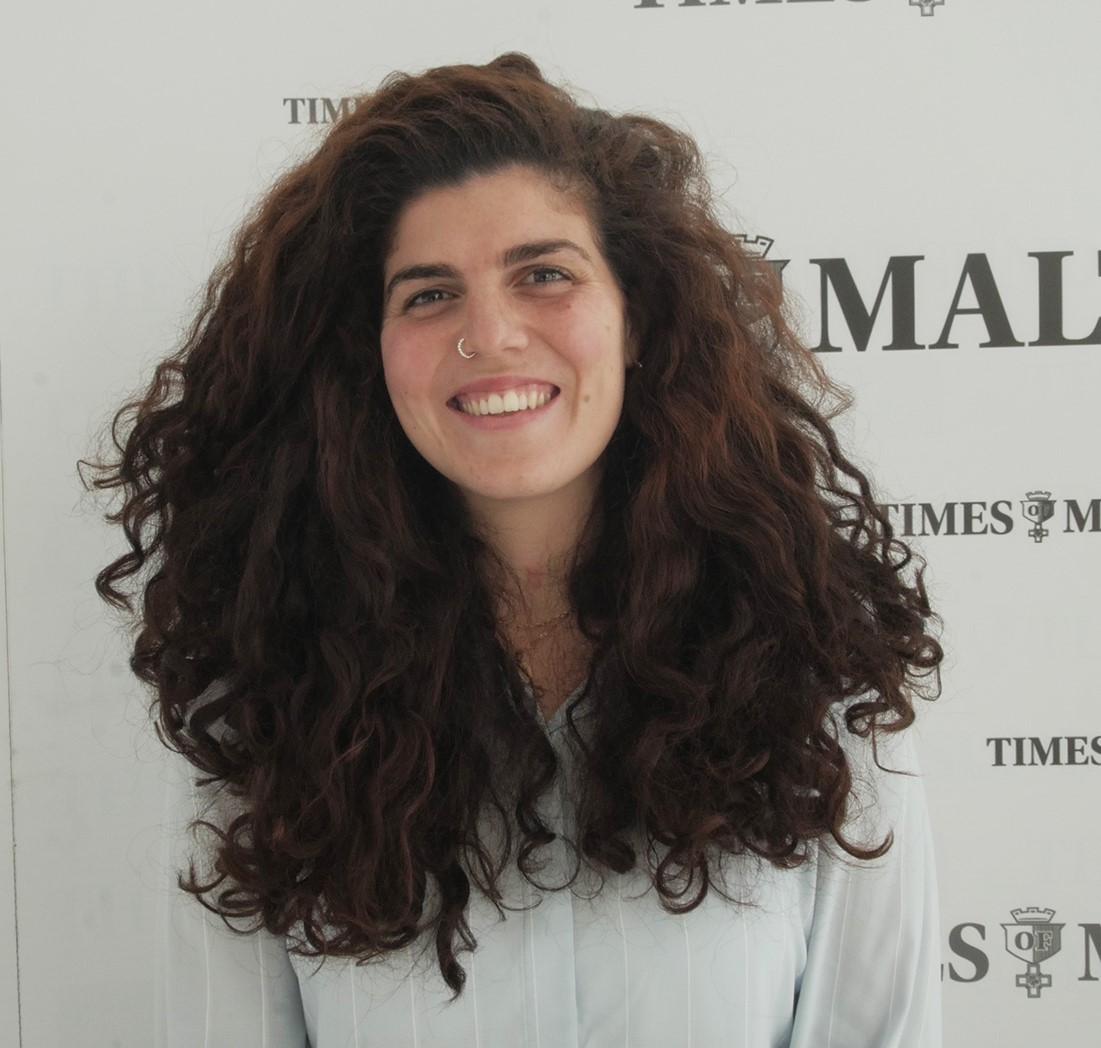
A decade in the making, director and producer Lara Maria Olbeter said the inspiration for Vanitas is a personal and intimate one.
The director recalled how there was a time in her life when she experienced death within her inner circles, first while taking care of her former mother-in-law, who had cancer, and shortly after, experiencing the death of her own father.
“I am aware that many people try to avoid the topic of death and ignore it in their everyday lives, but I find the subject fascinating,” she said.
“I wanted to look death straight in the face with this film. To understand how death impacts the people who are grieving after their loved ones and how it transforms them.”
When life imitates art
Olbeter, who is based full-time in Gozo, said in a strange coincidence, the film’s premises echoed the real life and experience of the main Austrian actress, Marion Mitterhammer.
“I remember calling Marion’s agent, informing them that I had an interesting part for her, and 10 minutes after that call, she called me herself, telling me how the film’s story reflects what she was experiencing in her life at that moment,” she said.
“She told me her husband was also battling cancer, and he wanted to go back to Gozo, to enjoy some time in a house he had previously bought. Her husband had encouraged her to take on the role, and they, along with their two dogs, drove all the way from Austria to Gozo for the production.”
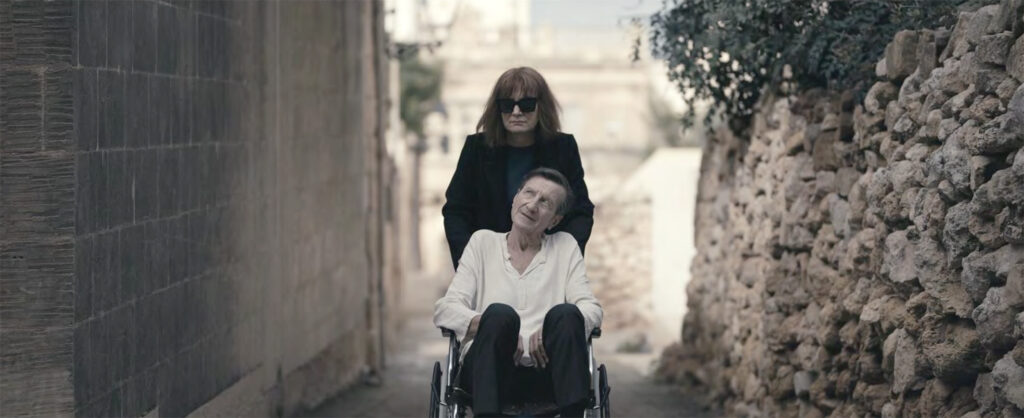
She recalled how the 21 days of shooting and production were very emotional for all the crew.
The story delves into how Maria toils with the idea of her husband dying, and whether she should start planning her life without him.
“But death is and always will be unexpected. This is a piece of art that the crew and I created to stare in the face of death, but also to have fun along the way.”
Mythology and art inspirations
On a more visual front, Vanitas works with references close to the sister island, including the mythological motifs from Homer’s Odyssey. The director was influenced by the magic surrounding Calypso’s Cave, where the nymph kept Odysseus a “prisoner of love” for seven years after his ship was wrecked in a storm.
“The mythological tale made me think of whether love allows us to release that person close to us to death, or if love drives them to possession,” she said.
The director wanted to capture a bit of the magic and mystery surrounding the myth on screen, and said one of the key filming locations is close to the grotto.
“Another place we shot is at the chapel of St Dimitri in Għarb. It reminds me of a gateway to heaven, it is so beautiful.”
Vanitas also draws inspiration from Caravaggio’s paintings. The film’s distinctive cinematic style and atmosphere nod to the artist’s dramatic use of light and shadow.
“His works are an allegory of death, and if you are a fan of his work, you will see the references to his pieces very clearly throughout the film,” she explained.
Apart from the two leading actors, Mitterhammer and Hubert Kramar, the rest of the cast is Maltese. The mysterious priest is played by Christopher Dingli, and Edward Mercieca also stars in the arthouse film. Vanitas is in Maltese, English and Austrian.
The film was produced by LOKline Malta, a European-Maltese production company founded to bring international productions to Malta while developing local stories for international audiences.
Over 30 film screenings
The fourth edition of the Mediterrane Film Festival kicks off in Valletta today and runs until June 28, showcasing more than 30 films from 20 countries.
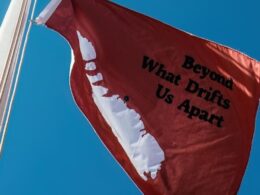
The 2026 theme ‘Beyond Together’ is a concept designed by the Malta Film Commission to position Malta as the definitive bridge between the Mediterranean’s creative heritage and as future global storyteller.
This year’s festival will also host several pioneering and expert voices in international film-making who will take part in in-depth industry masterclasses and panel events.
The Big Screen Competition includes eight films from directors including Steven Soderbergh, Gus Van Sant and Mark Jenkins, among others.
The festival also features a ‘Mediterranean Competition’ that shines a spotlight on regional film-making excellence, from Maryam Touzani’s Calle Malaga, to forbidden love in Leyla Bouzid’s In a Whisper and Sylvain Chomet’s animated A Magificent Life.
There are also out-of-competition films under the banner of ‘New World Cinema’ and five new pictures in the environment-themed ‘Mare Nostrum’ section.
Film buffs will also get to enjoy outdoor screenings, featuring classic blockbusters such as Pearl Harbour and Top Gun, and contemporary favourites such as Jurassic World and The Greatest Showman.
The winners will be unveiled at the annual Golden Bee Awards, at a special gala event at the Malta Film Studios on June 28. The winners will be presented alongside the festival’s ‘Rising Star’, ‘Lifetime Achievement’ and ‘Local Legend’ prizes.
More details can be found on www.mediterrane.com and on the festival’s social media channels.