



Malta is participating for the first time in the Gwangju Biennale, one of Asia’s most prestigious platforms for contemporary art, Arts Council Malta has announced. Malta’s participation is supported by the Ministry for the Arts, Lands and Local Government.
Taking place from September 5 to November 15 in Gwangju, South Korea, the biennale – now in its 16th edition – provides a global stage for experimental and innovative artistic practices. Titled You Must Change Your Life and led by Singaporean artist and curator Ho Tzu Nyen as artistic director, this edition explores the transformative power of art in a time of multiple crises and urgencies.
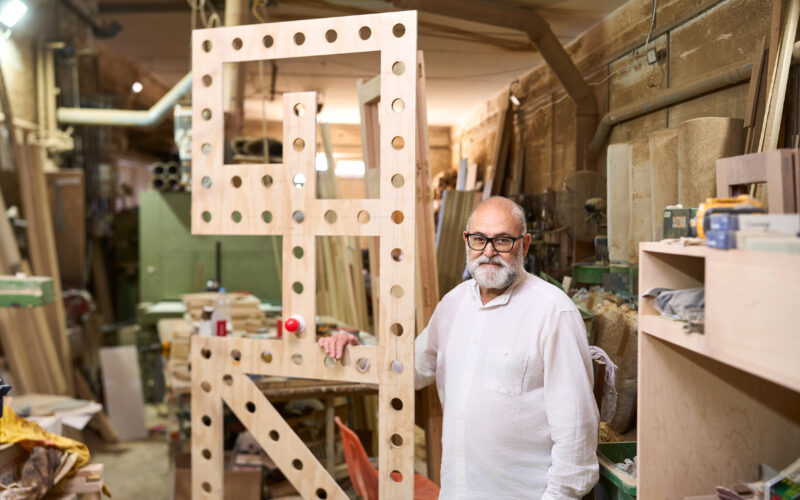
The Malta Pavilion will present Bejn/In-Between, a major new commission that brings together four leading contemporary artistic voices from Malta and Gozo: Norbert Francis Attard, PONKS (Sam Alekksandra and Julien Vinet) and Michael Quinton. Working together as the Bejn Kollettiva, the artists will create site-specific installations as part of a three-month residency in Gwangju, which will unfold as one collaborative exhibition at Horanggasy, one of the biennale’s main exhibition venues. The project is curated by Moon Hyun Jeoung and managed by Toni Attard.
Bejn/In-Between unfolds as three connected spaces and a “living threshold”, forging a connection between Malta and Korea: two cultures separated by continents, but united by a shared preoccupation with community, ritual and resilience. Through installation, sound and poetry, the project explores the concept of the ‘in-between’ as a space of tension, dialogue and transformation.
The Bejn/In-Between exhibits
In the Art Polygon, Norbert Francis Attard, one of Malta’s pioneers of contemporary art, creates spatial interventions that hold opposing forces in tension. Drawing from Maltese festa traditions and Korean Obangsaek colour principles, his works explore balance through colour, elasticity, light, and structure. Using stretched elastic bands, mirrored surfaces, illuminated elements and architectural metal forms, Attard transforms the space into a field of movement, pressure, and reflection.
For example, Peristyle − a penetrable sculpture constructed from hollow metal sections and gold-painted forms reminiscent of festa decorations − places ritual celebration directly against contemporary devastation, drawing uneasy parallels between Malta’s historical culture of siege, collective commemoration and the ongoing international conflicts.
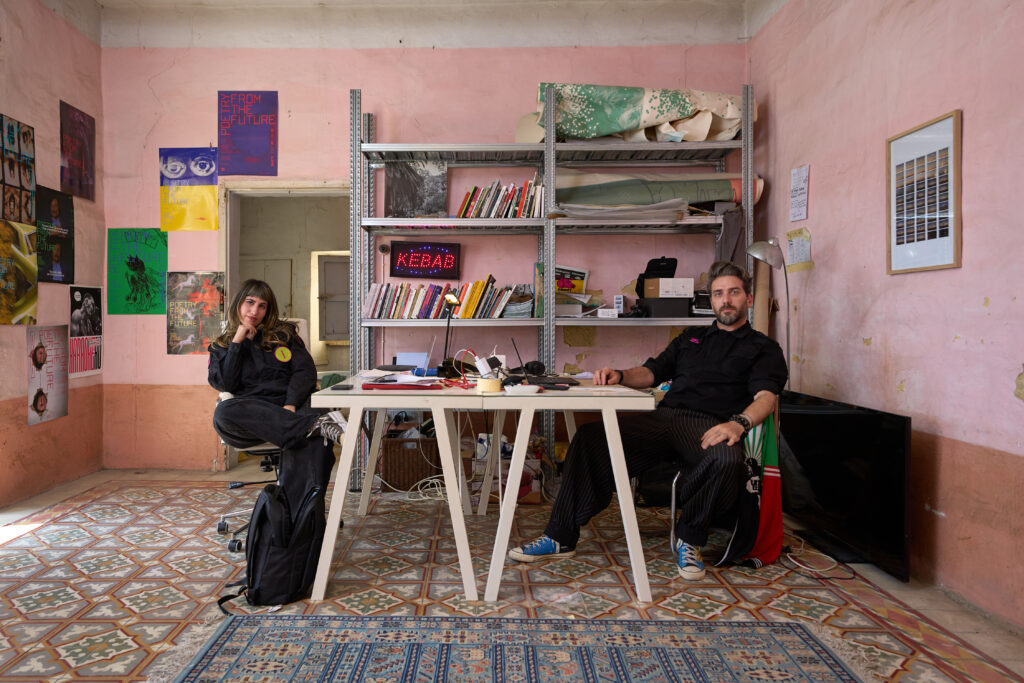
PONKS transforms the Glass Polygon into Rope Temple, where hundreds of suspended ropes form a room within a room. At its centre, a dense tree-like structure of ropes rises through the space, rooting the installation both physically and symbolically. The work ties together the ritual significance of Geumjul − traditional Korean sacred ropes intended to ward off evil spirits − with Malta’s deep rope traditions, from maritime vessels to religious processions, where rope becomes both functional necessity and sacred symbol.
Scripts of Maltese and Korean poetry cover the surrounding glass, creating an immersive environment where language, material and ritual dissolve fixed cultural boundaries. Visitors ascend through the tree-like structure towards a final intervention at the top of the building, where the installation resolves into a luminous gesture suspended above the city.
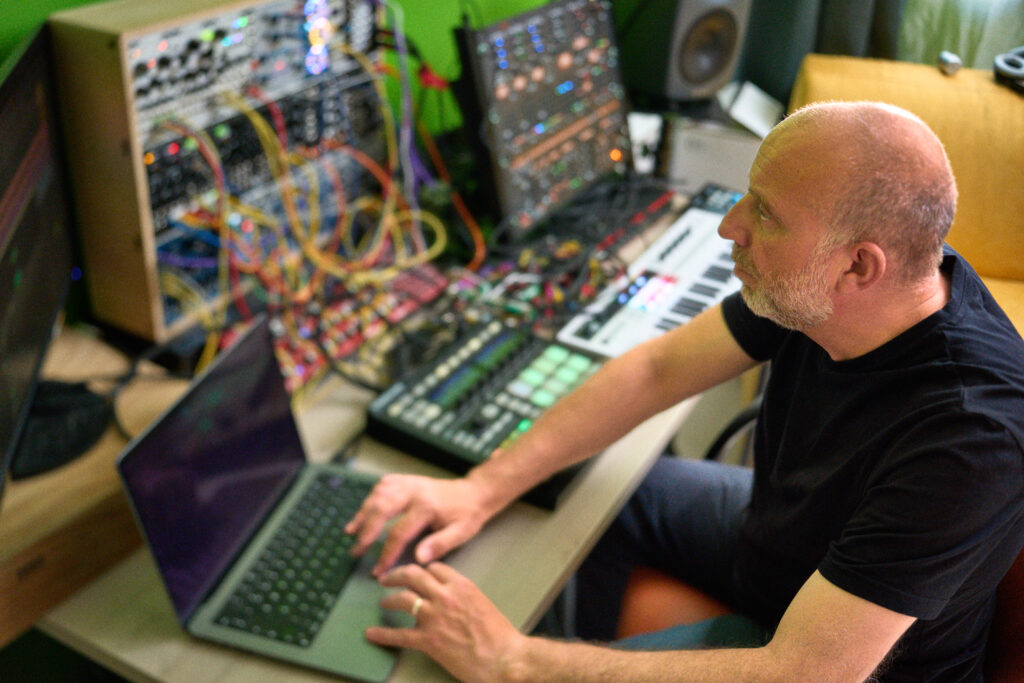
The Base Polygon forms the subterranean roots of the temple through three interconnected rooms that explore different facets of poetry: musicality, word, and worlds. Beneath the Glass Polygon, the space unfolds as a quieter, more introspective counterpart to the installations above. In the first room, Michael Quinton’s soundscape draws on field recordings captured across Malta and Korea, combining sonic manipulation, resonance, silence, and immersive surround sound. The work treats sound as a condition of being, creating an environment of deep listening and reflection.
Alongside this, the Portal programme hosts an exchange between Maltese and Korean artists performing across various sites, inviting audiences into the visual worlds and personal responses of poets and performers in relation to their surroundings. The final room is dedicated to an anthology: an experimental publication that documents the creative process, poetic contributions and artistic exchanges, offering visitors a tangible “fragment” of the in-between to take with them.
‘A historical milestone’
Malta’s participation in the Gwangju Biennale comes after Malta’s own biennale wrapped up in May and its ongoing participation in the Venice Biennale 2026, which runs until November 22.
Minister for Arts, Culture and the National Heritage Malcolm Paul Agius Galea said Malta’s debut at the Gwangju Biennale is “a historical milestone for Malta and a testimony to the potential and quality of our local artists and creatives. Our participation further strengthens Malta’s cultural presence on an international scale and creates new opportunities for collaboration, exchange and dialogue with other countries and communities”.
The executive chairperson of Arts Council Malta, Luke Dalli, reiterated that “as one of Asia’s leading contemporary art platforms, the biennale offers Maltese artists and creatives valuable international exposure and opportunities for cultural exchange”.
The Malta Pavilion is led by the International Cultural Relations Directorate under Annabelle Stivala. Bejn/In-Between is commissioned by Arts Council Malta and supported by the Ministry for Foreign and European Affairs, Cultural Diplomacy Fund.