




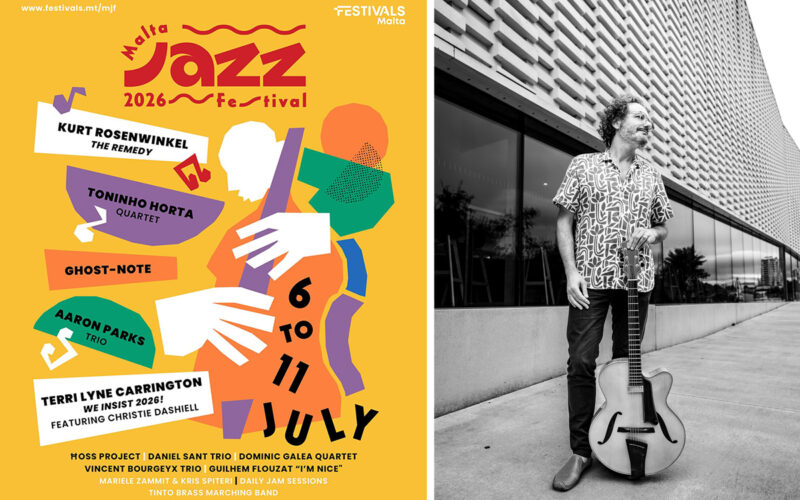
Tomorrow sees the return of the Malta Jazz Festival, now in its 35th year, and bringing with it performances from iconic and emerging talents alike.
Running for five days, the festival features daily performances and late-night jam sessions, culminating in two evenings of concerts on the Ta’ Liesse waterfront in Valletta.
The festival spotlights Maltese and international artists, with an array of performances serving jazz aficionados and newer audiences alike. The event also includes a children’s concert and a debut documentary film charting the festival’s evolution over the years.
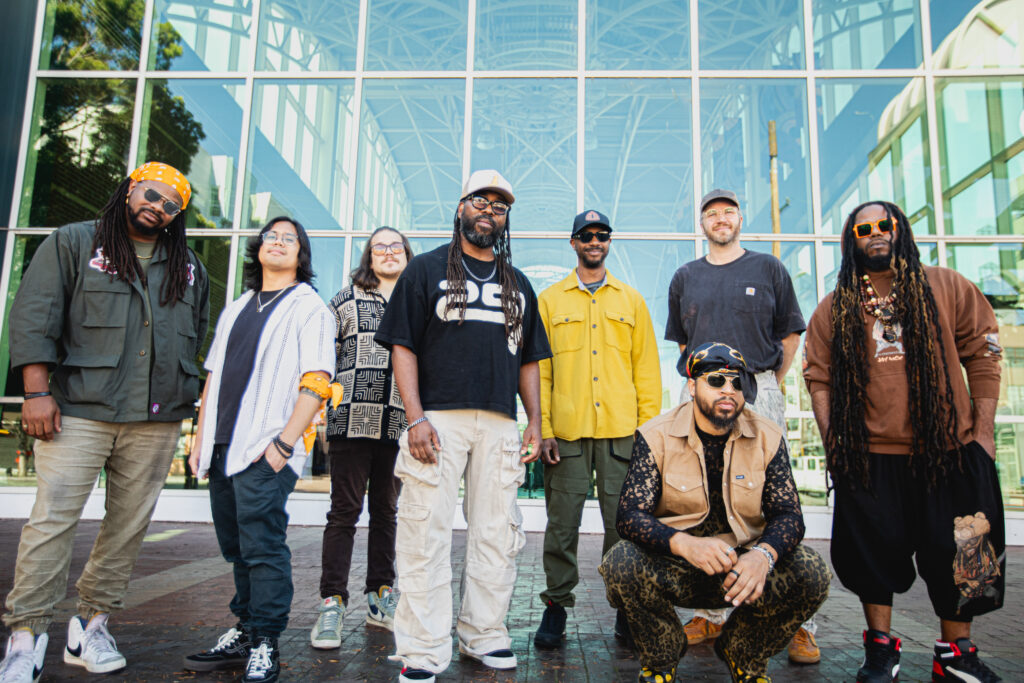
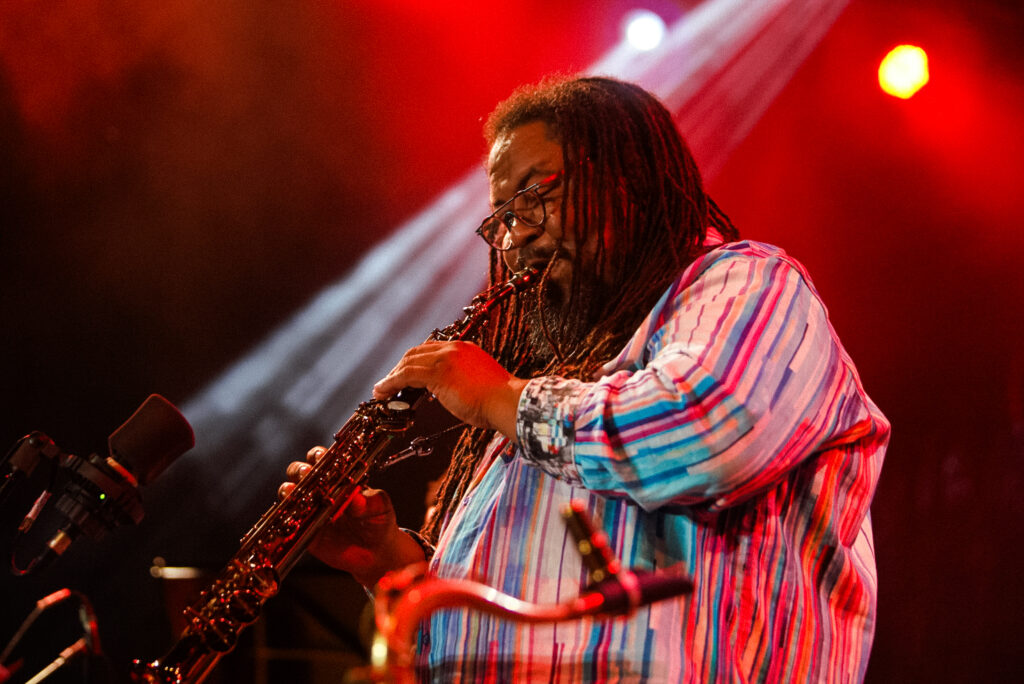
The predominantly American headline acts include pianist Aaron Parks, high-energy Texan band Ghost-Note, jazz guitarist and composer Kurt Rosenwinkel, vocalist Christie Dashiell and four-time Grammy Award-winning drummer Terri Lyne Carrington.
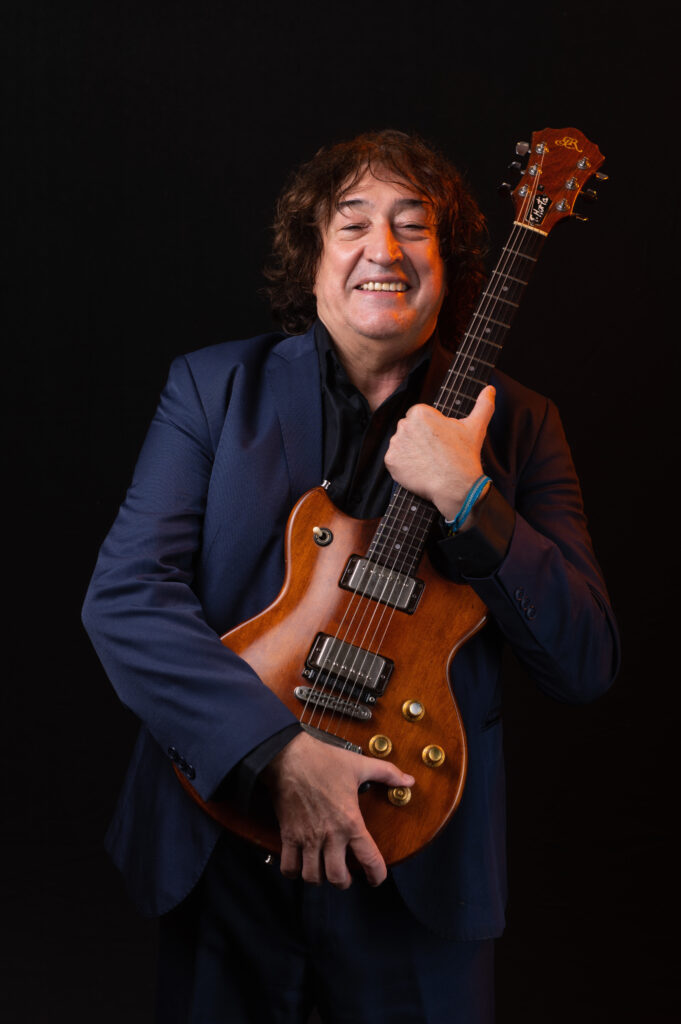
Other featured artists include French pianist Vincent Bourgeyx, drummer-composer Guilhem Flouzat, the Tinto Brass Street Band and Brazilian guitarist and composer Toninho Horta.
France-based artistic director Sandro Zerafa said his vision for the event had been inherited from and inspired by the festival’s founder, the late drummer and jazz pioneer often regarded as Malta’s “father of jazz” Charles ‘City’ Gatt.
“Gatt told me it’s like running a bookshop; you can have things you like, but you need to cater for all,” he said, adding the artistic vision had continued to develop, however, “heavily influenced” by his life as a musician on the mainland.
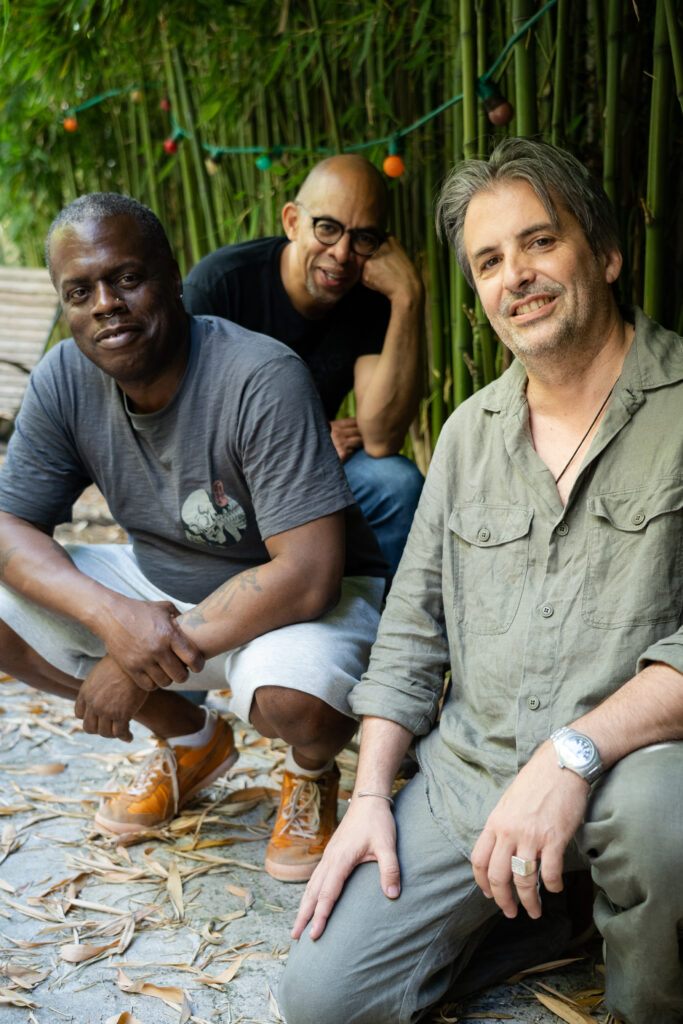
“The festival occupies a special place in my heart and mind. It’s one of the longest-running festivals in Malta and I’m quite proud of it; it has evolved, but not in its format or ethos… At the heart of the artistic vision is trying to preserve artistic integrity.”
While acknowledging it was “not easy getting the balance” between more purist artists and those with a wider appeal, after more than 15 years directing the event “I know our audience and what makes a great festival”.
‘We keep it small and we keep it jazz’
Although smaller than some of its counterparts overseas, the Malta Jazz Festival was prestigious and well-regarded, he said.
“I meet a lot of US and European musicians who tell me Malta’s is one of the best jazz festivals in the world.”
And Zerafa believes the festival’s popularity among musicians to be due to it remaining true to its genre and audience while still providing offerings for a range of audiences.
But mixing genres, and in particular introducing acts with wider appeal could get “messy”, said Zerafa, noting the Malta Jazz Festival had seen three years where, under different management, more pop and rock-focused acts had been featured and the event renamed to the Malta Rock and Jazz Festival.
Following public pressure and little evidence that the change in direction had boosted ticket sales, however, the festival returned to its original ethos, with Zerafa taking the helm in 2009.
“Some festivals have huge venues they need to fill, so they bring pop acts. One of the positive things about the Malta Jazz Festival is that it’s still quite small,” he said, explaining that larger festivals required bigger venues and more sponsors.
“There’s been a degradation of jazz festivals over the past 20 years – and they’re no longer always the ideal vehicle for jazz,” he said, noting that, by contrast, jazz was “thriving in small venues these days”.
“We keep it small, and keep it jazz.”
‘Exciting new generation’
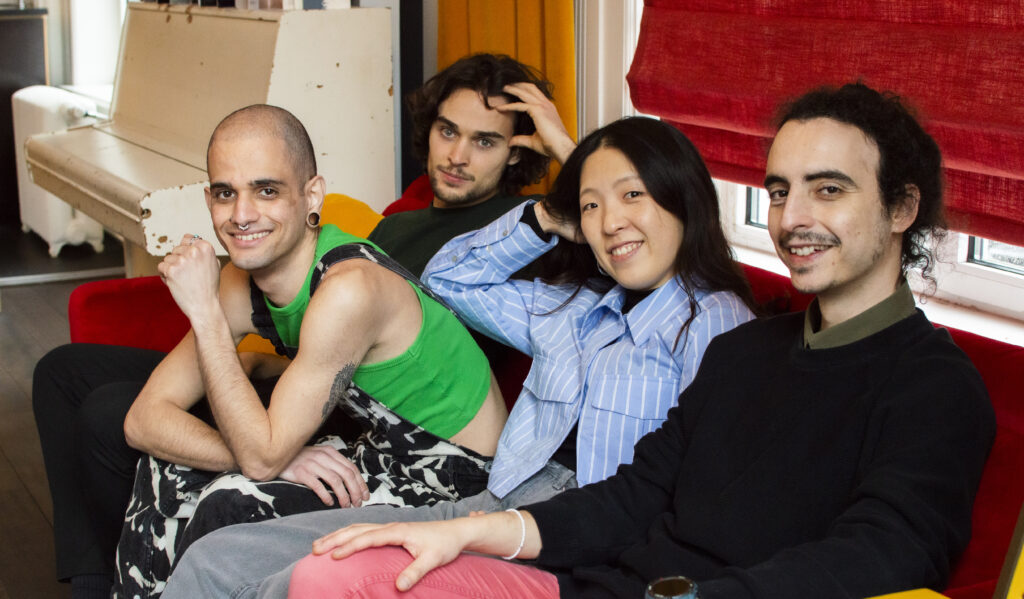
Noting that this year’s festival features emerging Maltese acts, including Pete Galea’s ĦOSS Project and the Daniel Sant Trio, Zerafa said there was an “exciting new generation of Maltese jazz musicians”.
Zerafa explained that he had been inspired to become a musician after watching the Malta Jazz Festival in his youth.
“And since I owe a lot to the festival, I want to give something back to the younger generation.”
The festival also includes a children’s concert at the Malta Society of Arts and nightly jam sessions at Valletta’s Offbeat Music Bar, “which help inject vitality into the scene”.
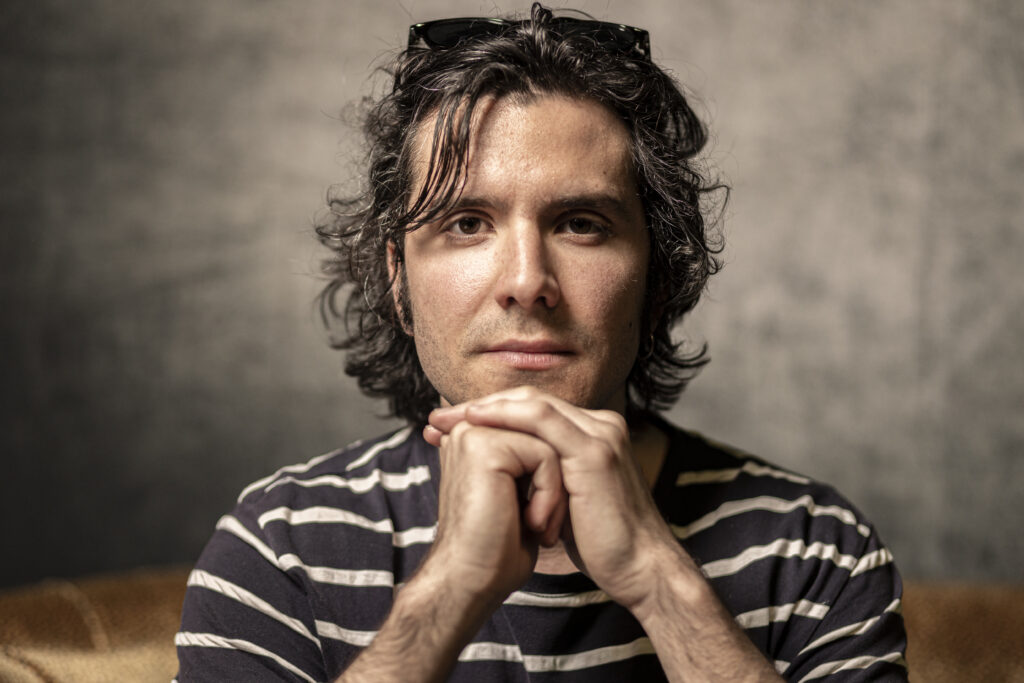
Turning to the headline international performers closing the festival across two nights, Zerafa described American jazz pianist Aaron Parks as “one of the most influential piano players of the last 20 years”.
The pianist, known for his eclectic approach blending elements of Western and Eastern music, will take to the stage on Friday night following the ĦOSS Project and just before Kurt Rosenwinkel, who will be appearing at the festival for the fourth time since his first appearance in 2009.
Commenting on the guitarist and composer’s upcoming set, Zerafa said the music on which it is based, taken from his 2008 album The Remedy, was “very important”, while noting the appearance of jazz legend Branford Marsalis’s “legendary” drummer Jeff “Tain” Watts.
‘We need more role models’
Turning to the festival’s closing concert, which begins with the Daniel Sant Trio, the artistic director described Ghost-Note as a “high octane funk band”, adding he had first discovered the band through one of their filmed performances on NPR’s Tiny Desk online series.
“I’m always looking for acts with wider appeal,” he said.
Ghost-Note is followed by US drummer Terri Lyne Carrington, who will close the festival performing a reimagining of Max Roach’s civil rights-themed 1961 album We Insist!
While acknowledging the social focus of Lyne Carrington’s programme, which comes at a time of heightened social tensions across the drummer’s native US and parts of Europe, Zerafa stressed that “the music comes first”, however.
Carrington “is a great drummer and plays great music; it was only after I booked her that I discovered her engagement in social issues,” he said.
“But we need more role models and reforms in the music world,” Zerafa said, pointing to the jazz scene as still tending to be male dominated as an example. “So, it’s good to explore these issues as well.”
‘The perfect balance’
Asked about possible challenges of attracting new audiences to the genre, Zerafa acknowledged that while jazz could be challenging for some first-time listeners, its roots were in popular music, with many songs now considered jazz standards starting out life as widely played pop songs.
Calling jazz, the “perfect balance” between popular and more technically complex music, Zerafa noted it was not always easy to acclimatise modern audiences to the genre, however.
“Concentration spans have been eroded generally – even listening to albums from start to end is rare,” he said. “Jazz needs concentration; it’s an acquired taste.”
And while streaming platforms such as Spotify and Apple Music offered access to a dazzling array of music at the touch of a button, listeners risked being “overwhelmed by choice,” he warned.
Instead, “go to small clubs, support musicians and learn the history of the music,” he said. “It might not speak to you immediately, but all great art requires patience”.
What would Zerafa say to listeners on the fence, unsure if jazz is for them?
“One of the most important things in life is to be curious; it makes you a better person, opens new doors and changes your way of thinking. I invite people to be curious.”
The Malta Jazz Festival 2026 is organised in collaboration with Festivals Malta and runs from tomorrow, July 6 to Saturday, July 11. To find out more, visit www.festivals.mt/mjf.