


It takes immense courage for a victim of child sexual abuse to speak out. When they do, they carefully choose a confidant − someone they can trust. But what happens next? Is anyone ever truly prepared to be entrusted with such a painful and delicate disclosure?
Many people indeed feel unprepared to respond appropriately when someone discloses abuse, whether the victim is a child or an adult. Like the victim once did, some feel compelled to bury the secret again, others may struggle to believe what they are hearing, and some might look for ways to act in the victim’s best interests.
This is a vast and complex subject, with far-reaching consequences for the victim, the confidant and their families.
Sexual abuse is complex to define, and its perception depends on a broad spectrum of psychosocial factors. It can be said that, in Malta, sexual abuse is understood to include both contact and non-contact forms, and its effects do not solely depend on the actual act of abuse and its frequency, but also on other factors such as the child’s relationship with the perpetrator, the perpetrator’s selection and grooming of the victim, strategies used to gain and maintain compliance and secrecy, the child’s age and developmental stage, the child’s characteristics and upbringing, and also the handling of its disclosure, among other things.
The number of reported child sexual abuse cases may not accurately reflect its prevalence, as abuse perpetrated within families is frequently unreported and kept secret.
Handling of disclosure
The handling of disclosure is critical to the healing process of a sexual abuse victim. Within the local context, specific cultural and social themes significantly influence the outcome of disclosure.
In Malta, the strong emphasis on preserving the family − particularly within a small population − often creates pressure to conceal abuse. This pressure can outweigh concern for the victim’s well-being, resulting in long-term harm.
The personal, sexual and relational consequences for the victim may persist across one’s lifespan and, in some cases, be transmitted across generations. At the same time, the confidant may experience significant distress when the abuse is concealed, with an increased risk of secondary trauma.
At times, existing violence within the family can also contribute to keeping sexual abuse a secret. Fear that male family members may respond violently upon learning of the abuse – particularly when the perpetrator is also a family member − has been reported.
Given its longstanding influence in Malta, the Church can be perceived as an institution whose reputation must be safeguarded, even when allegations concern clergy. The Church’s elevated status can also undermine confidence that abuse allegations will be believed, reinforcing patterns of silence and secrecy.
In 1999, a Response Team was set up by the Church in Malta and Gozo. This was later replaced by the establishment of the Safeguarding Commission and, again, in 2024, by the publication of a new Safeguarding Policy, which sets higher standards for Church entities, and prioritises the welfare of alleged victims during investigations. Its work has lately also been lauded by the Vatican as an exemplary model to follow.
A message to the confidant
As a confidant, you may find yourself carrying the burden with feelings of guilt and confusion, a mirror of the victim’s position. You may hold taboos regarding sexual matters and may experience discomfort when informed of a child’s sexual abuse. This discomfort can lead to avoidance of further disclosure and a disregard for the information already shared.
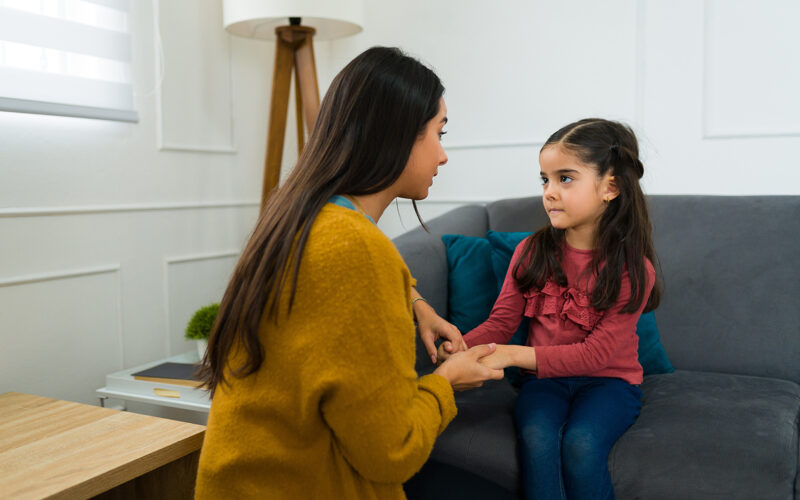
If a child or someone in need opens up to you about their feelings and experiences, see it as a sign of trust. You have a role to respond appropriately: listen attentively, without passing judgement, stay calm, and keep your composure. Stand by the victim and validate what they are going through. Seeking guidance from a qualified professional can help ensure that your actions are in the victim’s best interests.
Be aware that there may be ongoing risks, including the possibility of further abuse affecting other children. The way a disclosure is handled has a significant impact on the victim’s healing process. As a confidant, look after yourself in the process, as this may be a highly stressful experience for you too.
Remember that a child may conceal abuse for a long time, carrying a heavy burden of shame, self-blame and secrecy – and, in some cases, even being blamed after disclosure. Self-destructive behaviours in various forms may be indicators of this hidden abuse.
Relationship difficulties may signal underlying issues, as children who experience abuse can later develop mistrust, behavioural problems, and persistent feelings of sadness and anger.
If you suspect that a child is currently or was previously sexually abused, pay attention to any concerning behaviours – particularly sudden changes that are inconsistent with the child’s usual personality and behaviour. Do not interrogate the child, as it may heighten their sense of fear and distress.
Seek the right professional advice.
Finally, children’s behavioural issues may have multiple causes, so avoid jumping to conclusions.
Marthese Vassallo is a warranted counsellor and registered counselling supervisor of the Malta Association for the Counselling Profession (MACP).
If you’re interested in learning more about the counselling profession or would like additional information on mental health and self-care, visit www.macpmalta.org, www.facebook.com/ CounsellingMaltaMACP or e-mail info@macpmalta.org.
For more contributions by the MACP, click here. For more Child stories, follow this link.
Mental Health Helpline 1579 (24/7)
Supportline 179 (24/7)
Kellimni.com chat (24/7)
Emergency Services 112 (24/7)
Richmond Foundation Helpline 1770 (Monday to Friday 8am to 8pm, Saturday 8am to 4pm. Closed on Sundays and public holidays)
Olli Chat (Monday to Friday 8am to 8pm, Saturday 8am to 4pm, closed on Sundays and public holidays).
Safeguarding Commission for the Archdiocese of Malta: info@safeguarding.mt/2247 0950.