



What is tofu?
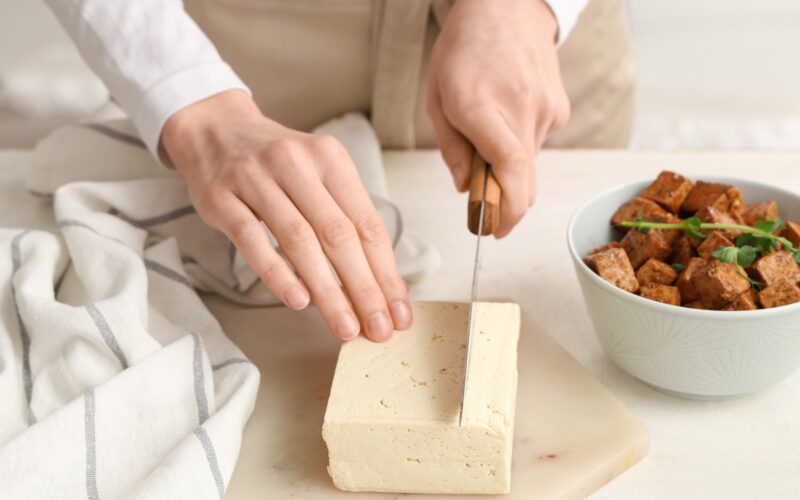
Tofu, also known as bean curd, is a popular food made from soybeans, water and nigari, a mineral-rich coagulant that helps solidify tofu and keep its form. It is prepared in a similar way to traditional cheese making, by curdling and solidifying milk.
Tofu is a staple food in Chinese and Thai cuisine, but with veganism, vegetarianism and flexitarianism (a flexible, plant-forward eating style that includes small amounts of meat) growing in popularity, it has also become widely enjoyed in Europe.
Tofu comes in different varieties, such as silken tofu, firm tofu or smoked tofu. It can also be prepared in many ways, including baking, steaming, grilling and stir-frying. In Malta, tofu can be easily found in many supermarkets and even at the local corner shops or grocers.
Benefits of tofu
Tofu is a complete protein source which means that it contains all nine essential amino acids that our bodies cannot produce on their own. These amino acids are utilised by the body to build protein for muscle repair, hormone production and to strengthen the immune system, to name just a few of its benefits.
Tofu is also relatively low in calories compared to other protein sources, such as fatty meat, hard cheese or eggs. If your goal is to manage your weight by controlling the number of calories you consume, tofu is definitely a great choice.
What’s more, tofu is rich in calcium (essential for the maintenance of bone density and dental enamel), magnesium (an important mineral for muscle and nerve function), manganese (the foundation of a healthy metabolism as well as a producer of energy), copper (a key facilitator of transporting iron through the bloodstream) and selenium (pivotal for thyroid regulation). The precise amount of protein and nutrients will vary depending on the brand and type of tofu we select.
Although tofu is higher in fat than other plant protein sources, e.g. lentils, most of the fats found in tofu (4g to 9 g fat per 100g tofu) are polyunsaturated, such as Omega-3 and Omega-6 fats. These fats are essential to our body, because it cannot produce them on its own. We need polyunsaturated fats for heart health, brain function, skin integrity, cell structure and immune response.
In contrast, when, for example, we eat a bowl of pasta and consume more calories than our body needs, it will convert the carbohydrates from pasta into fat. In this case, the body can create fats from scratch and use them for the structural integrity of our cells and store them as energy.
Types of tofu
Silken tofu is the softest form of tofu and is typically used in creamy dishes. I like blending it to make a pudding with carob powder and some coconut sugar. It can also be used as a vegan and cholesterol-free substitute for heavy creams or mayonnaise.
In comparison, firm tofu has the highest protein density per gram among all types of tofu. The proteins found in tofu are not only the building blocks for muscles but also help prevent sugar spikes caused by simple carbohydrates, such as rice. This is particularly interesting for anyone trying to manage their weight, struggling with PCOS, insulin resistance or acne. The fats and proteins in tofu will “clothe the carbohydrate”, preventing a rapid surge of glucose into the bloodstream.
Moreover, firm tofu is an excellent source of isoflavones, which are plant chemicals found in legumes. Isoflavones help us reduce LDL cholesterol, the so-called “bad cholesterol”, and support the elasticity of the arterial walls. For women going through menopause, tofu and other soybean products may act as a “weak” estrogen and potentially reduce some menopause symptoms like hot flashes.
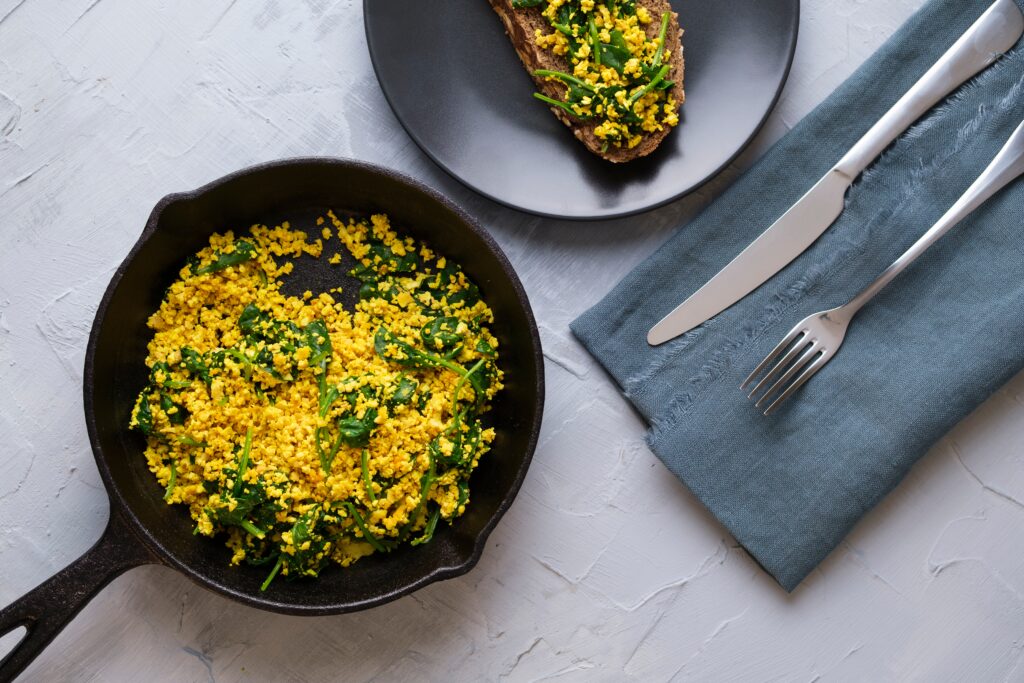
Firm tofu also has a sturdy texture, making it perfect for a savoury breakfast. I like to do a tofu scramble (a plant-based alternative to scrambled eggs). To make it taste like a traditional dish, I use turmeric to emulate the yellow colour of yolks, black salt for the characteristic “eggy” smell and nutritional yeast for a savoury, slightly cheesy depth.
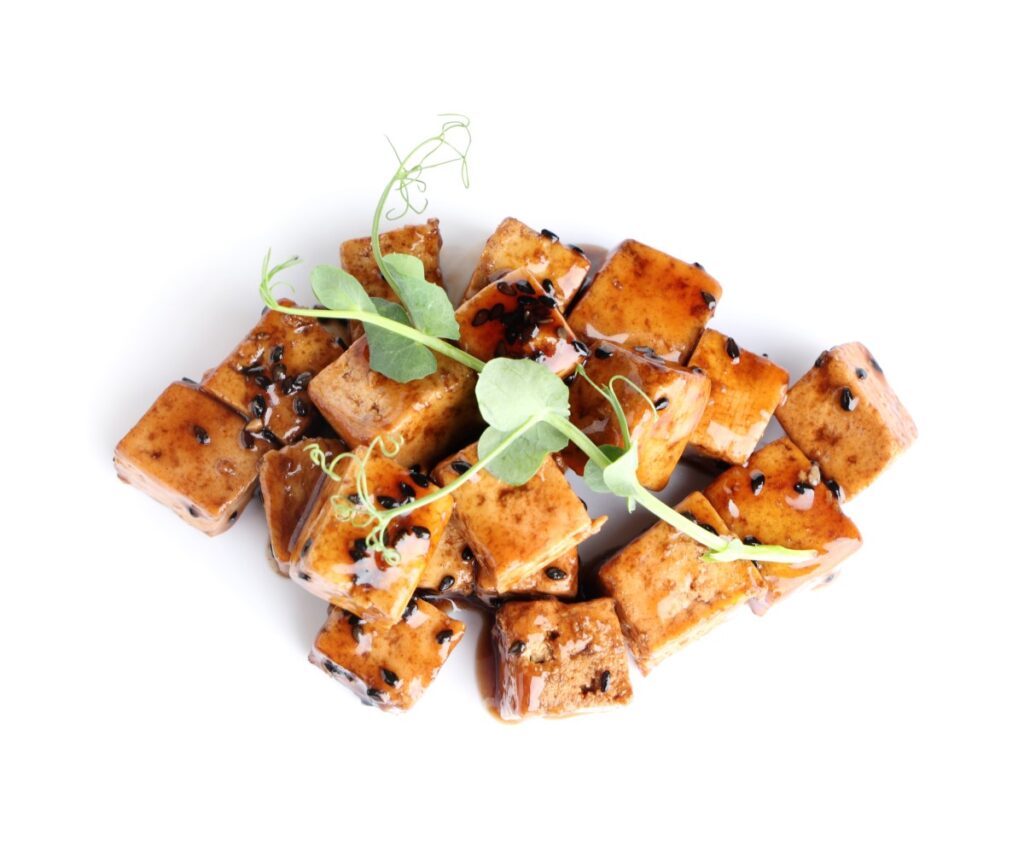
Smoked tofu offers a savoury flavour. When we use it as a meat substitute, smoked tofu’s natural robust taste reduces the need for sugary sauces, such as ketchup, or high sodium seasonings, for instance BBQ sauces, making the transition to a flexitarian diet easier, while ensuring we do not feel deprived of the meat taste. In addition, smoked tofu usually has the highest concentration of minerals of all tofu varieties.
My favuorite recipe using smoked tofu is vegan “fish” balls, easily prepared by combining smoked tofu with iodine-rich nori (a key supporter of thyroid health), garlic, lemon zest and mashed potatoes. Bake in the oven and serve with a salt-reduced soy sauce for a light, savoury tang.
If you are gluten-intolerant or wheat sensitive, opt for a gluten-free soy sauce. Alternatively, tamari and fish sauces contain lower amounts of gluten, depending on your tolerance threshold.
Is tofu safe for everyone?
Tofu is generally considered to be safe for most people, unless you have a recognised soy allergy. Those who suffer from digestive problems should always introduce new foods slowly to observe how their bodies respond.
If you follow a low-fodmap diet for IBS or SIBO, reduce the portion of firm or smoked tofu to a small cup (150g), or two tablespoons of silken tofu. Also avoid combining tofu with high-fodmap ingredients, such as onion and garlic. Instead, you can safely use the green part of spring onions and garlic-infused oils.
Tofu may have a goitrogenic effect, which means that soybeans may interfere with the activity of our thyroid gland. If you have a thyroid problem, such as Hashimoto, a daily safe portion for you is between 100-150g. Be mindful to track other soy-based products, such as tempeh, soy milk and soy yoghurt, as these also contribute to your recommended daily threshold.
Tofu contains oxalates which also occur naturally in spinach, rhubarb and nuts. In a growing plant, oxalates act as a defensive mechanism to deter herbivores. Although, for most healthy people, oxalates do not constitute a problem, those with a history of calcium oxalate kidney stones should limit their tofu portion to 100g (roughly equivalent in size to a deck of cards). I like boiling my tofu for a couple of minutes, as this helps to leach out some of the oxalates.
Why is organic tofu the best choice
Organic, or bio, products are forbidden by law from using GMOs, which stands for genetically modified organisms. Therefore, if you opt for organic tofu, you are guaranteed that the soybeans have not been sprayed with pesticides or genetically modified in any way. If organic options are not available, simply look for a certified “non-GMO” label to guarantee the quality of the soybeans.
Although most GMO soy is used for animal feed or industrial soybean oils, it is better to seek out organic tofu, tempeh, soy milk and soy yoghurt. In the GMO process, the DNA of certain foods has been altered in the laboratory to make it resistant to weed killers such as Roundup.
Other GMO examples to be aware of include fructose corn syrup, corn oil, corn starch, soy lecithin, and soy protein isolates, found in everything from bread and fruit yoghurt to chocolate. I always recommend reading food labels before buying products.
Tofu is so versatile in the kitchen and offers such a vast array of health benefits that it is well worth the effort to source it from an organic provider. Furthermore, its rich nutritional density of crucial minerals, essential fats and high-quality proteins make it an indispensable staple to any modern cuisine. By prioritising this plant-based superfood, we can naturally reduce our meat consumption and support our health.
Recipe: Shakshuka with a trio of tofu
Inspired by traditional shakshuka, this vegan version offers a richer and creamier texture by replacing the eggs with three types of tofu: silken, firm and smoked.
Traditionally, in Israeli cuisine, shakshuka is prepared with poached eggs, garlic, bell peppers and spices simmered in a tomato sauce. My recipe is a vegan alternative to this delicious dish that will help add variety to your diet.
I always recommend organic tofu over the conventional varieties, which, as previously discussed, may contain GMOs. Whenever possible, source your tofu from the organic section of your supermarket or a local health food store. You may find it either in the fridge section or on the food shelves.
If you cannot find all three types of tofu for the recipe, don’t worry – using just one or two varieties will still result in a delicious meal. Use 400g of tofu for two servings of shakshuka. If you are serving three to four people, simply double the ingredients.
Since this recipe requires some preparation, it is a great idea to make extra servings to use for your weekly meal prep.
Ingredients for the shakshuka (2 servings)
- 1 tbsp coconut oil
- 1 red onion
- 1 red bell pepper
- 1 yellow bell pepper
- 15 cherry tomatoes
- 1 tsp dried thyme
- 1/2 tsp ground cumin,
- 1/2 tsp smoked paprika powder,
- Salt, to taste
For the tofu, mix 2 servings of
- 2 tbsp coconut oil
- Half a white onion
- 100g smoked tofu
- 100g natural tofu
- 200g, silken tofu
- 1 tsp ground turmeric
- Black pepper, to taste
- Salt, to taste
Method
1. Slice red onions into rings, cut peppers into bite-sized pieces, and quarter the cherry tomatoes.
2. Sauté onion rings in coconut oil for 5 minutes, then add peppers, dried thyme and simmer for 10 minutes. Stir in tomatoes and spices, then simmer uncovered for 15 minutes.
3. In a separate pan, sauté diced white onion, then add diced smoked tofu. After 5 minutes, add crumbled natural tofu and fry for another 7 minutes.
4. Gently mash in the silken tofu and season the mix with turmeric, black pepper and salt. Serve the shakshuka topped with the tofu mixture.
Arnika Suska is a qualified nutritionist from Germany.