




Today, June 10, marks 33 years since Francis Ebejer died in his Swieqi apartment; he was found by his son Damian. He was arguably Malta’s most celebrated playwright, as well as a leading Maltese novelist whose works were published in several countries.
Just days before his death, Francis was at a family lunch and gave a “knowing look” to Damian, as if he sensed his days were numbered. When he was found lifeless in his apartment, his finished but, until then, unpublished novel, The Maltese Baron…and I Lucian, was found near him on his bedside table.
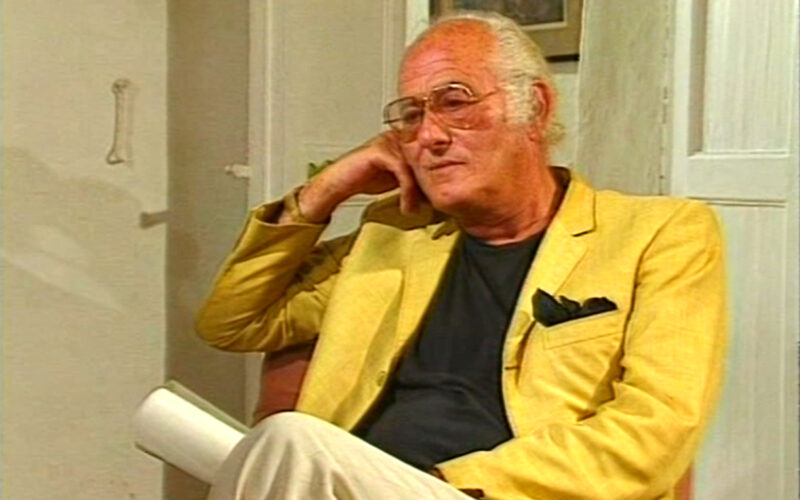
To be honest, back then I knew little of Ebejer, simply because Maltese literature and theatre were not one of my passions. But when he passed away, I did know something nobody in Malta knew: that in a log cabin in the Austrian countryside, there was a video tape containing rare recorded footage of this Maltese celebrity.
The footage had been shot by an Austrian producer as part of an attempt to make a television docudrama in which Ebejer, less than a year before his death, had agreed to appear. It was remarkable footage, because for most of his life Ebejer was fiercely private to even some of his closest friends. Yet here, he had apparently let his guard down, allowing him to be himself in front of a camera and even letting the camera crew into his apartment, something that surprised one of his very closest friends, the late Maurice Tanti Burlò.
There is a theory that at some point in their elderly life, people begin to let go, to stop worrying about what others think, and to open up, perhaps sensing that their time on this planet is running short. Whatever led Ebejer to lower his lifelong barriers less than a year before his passing, was to me less important than the fact that one of Malta’s most important cultural figures was sitting on a video tape in another country, and it felt urgent that Malta should have access to it.
And so, I entered into a co-production agreement with the Austrian producer, where I would create a documentary about Ebejer and grant her broadcasting rights in Germany and Austria in exchange for Malta’s rights to the exclusive footage of Ebejer.
When the video tape arrived, it turned out to be more revealing, for Ebejer had clearly made sure to drop hints about his personal pain − particularly about the loss of an estranged daughter whose absence he had never come to terms with.
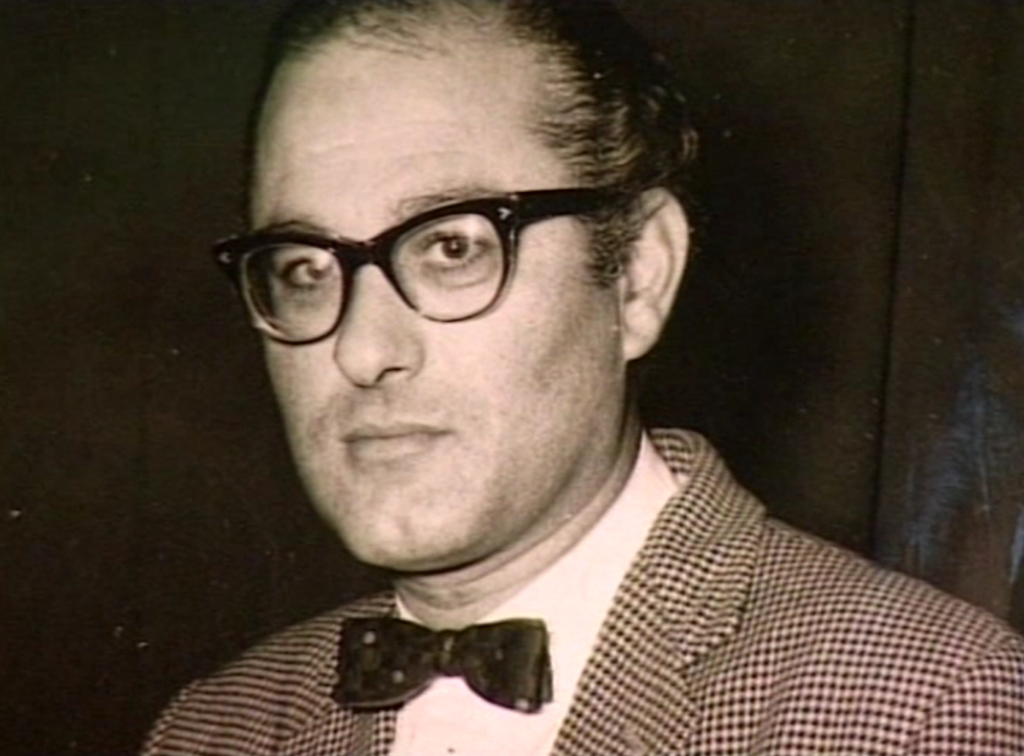
Those who knew him well speak of several deep personal tragedies in his life, and many believe these only fuelled his extraordinary writing, much as his regular visits to the old Allies bar in Sliema stimulated his creativity − a place where he would sit among people of all walks of life and quietly gather material for his work.
Before embarking on this documentary-making mission, I had met Ebejer only once, briefly, in 1992 − the year before his passing. We found ourselves sitting alone at a coffee table in St John’s Square in Valletta.
Ebejer was waiting for a scene to be filmed for the Austrian production, and I was there to meet the producer about some permits which she needed help with. Then, in his signature white hat, he began to share his frustration at what was happening to Malta. He spoke about the new bypass roads being built in central Malta, describing them as “too straight” and “destroying” the charm of Maltese towns and villages with their winding roads and all. He felt Malta was changing for the worse, “losing its character”.
Back then, I thought he was being rather eccentric or melancholic, or both. I chose to simply note his disapproval without trying to debate. Little did I know how right he was, in at least foreseeing how many parts of Malta would indeed lose their charm and character, with or without the new roads. He was certainly a man ahead of his time. As the idiom goes, if he could see Malta today, he would certainly be turning in his grave.
During the making of my documentary, which I would eventually title A Gentleman from Malta, what stuck with me forever were two of Ebejer’s beliefs and thoughts:
The first is he believed the human race is like sheep − Ebejer felt everyone was looking for someone to follow. The older I get, the more I believe he was right. Ebejer did not invent the idea − philosophers have argued for centuries that people tend to seek out someone to idolise and follow. We do not think for ourselves enough. We are swayed too easily by leaders, trends and the opinions of others. In short, we do not think critically.
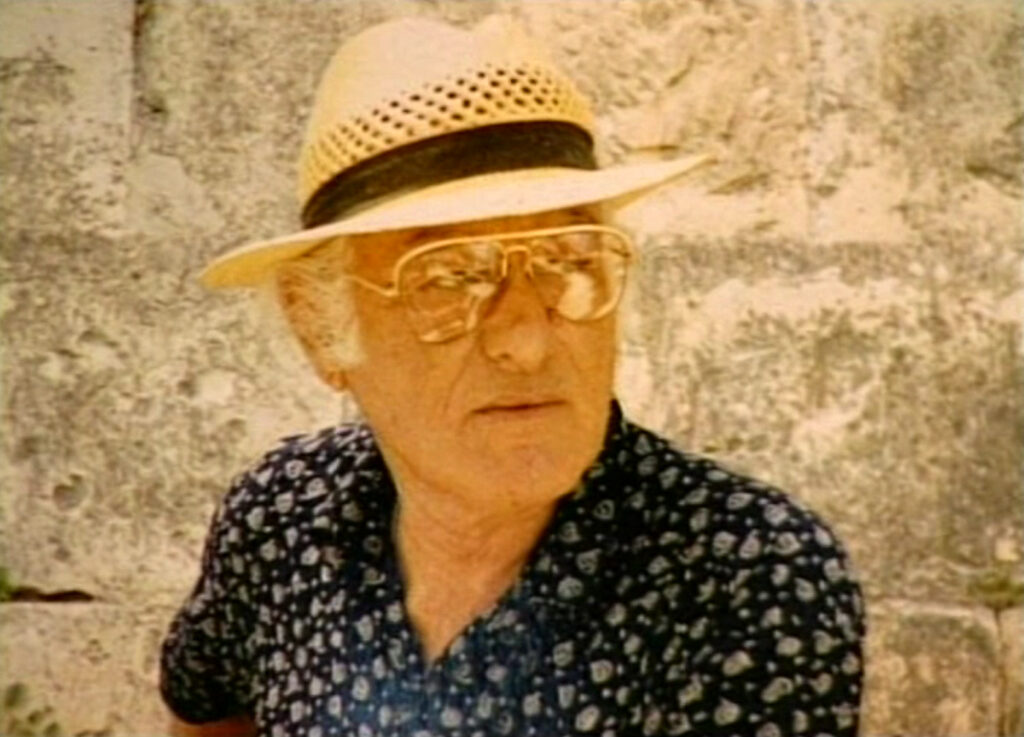
And then there is a quote, and this one entirely Ebejer’s own, which may be his wisest: “In my writings I am not satisfied with merely presenting a realistic portrait. Almost without a conscious effort I find myself searching beneath the skin. I am not content with a character’s making a statement. If possible, I want to know why he said it.”
That question − why − is perhaps the truest measure of any writer’s ambition. It is easy to describe what people do; it is far harder, and far more revealing, to illuminate why they do it. Ebejer spent a lifetime doing exactly that: peeling back the surface of human behaviour to expose the fears, longings and unspoken wounds beneath.
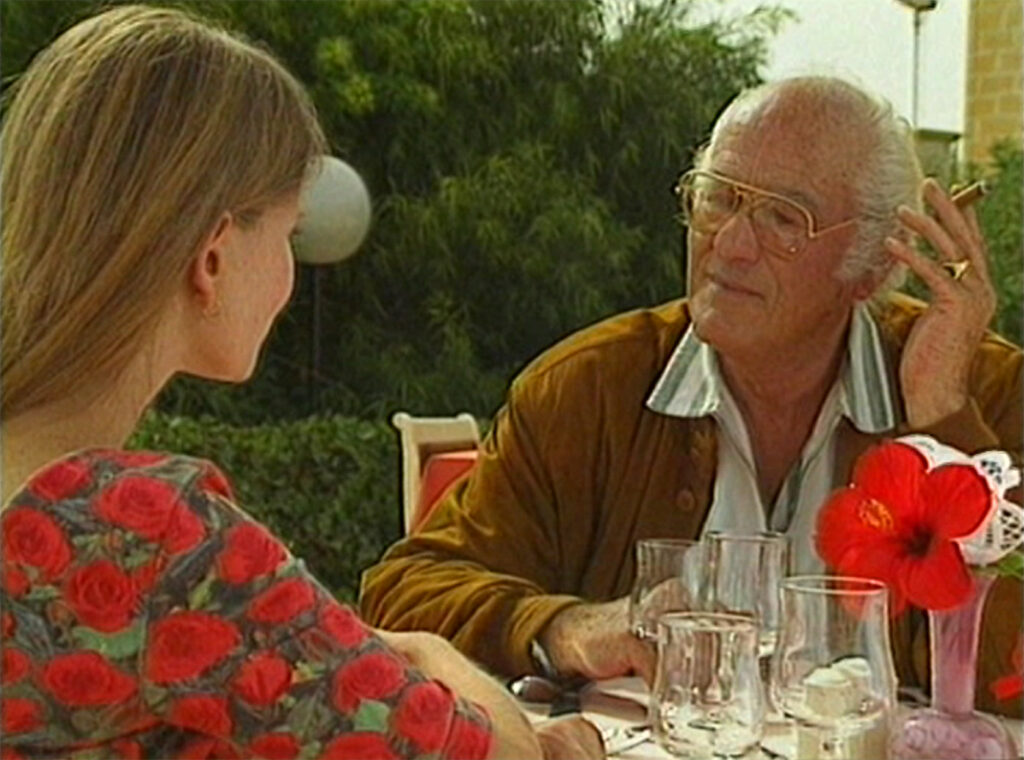
There is no small irony in the fact that a man so guarded, so resistant to the gaze of others, dedicated his entire career to laying bare the inner lives of his characters on the page. And perhaps in agreeing to appear before a camera shortly before he died − letting it inside the apartment that even some of his closest friends had never entered − he was doing it one last time: searching beneath his own skin and offering the world a rare, unguarded glimpse of the man behind the work.
Thirty-three years on, that footage endures. And so does the question he never stopped asking.
Malcolm Scerri-Ferrante is a film and TV producer. His 1997 documentary about Francis Ebejer, A Gentleman from Malta, can be viewed for free on https://pcpmalta.com/francis-ebejer.