

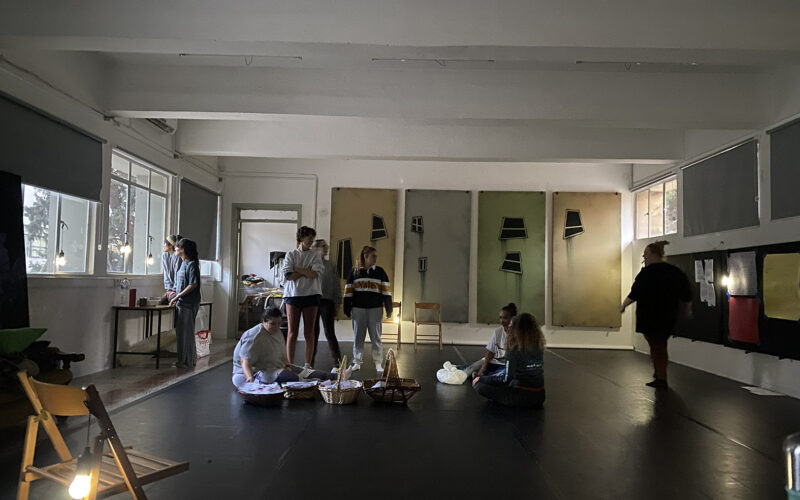
A new production set to take the stage this week gives voice to women history has often forgotten, women who have faced injustice and imprisonment in the early 19th century and the relationships they built behind bars.
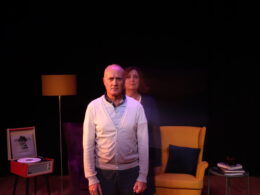
Inspired by true stories about real women, Ġimgħa l-Ħabs is set in 1825 and follows Maddalena Mallia, who ends up spending a week in prison. There, she is confined to a small cell with eight other women, who all live, wash and spin cotton together under the watch of the prison wardens.
Set in the intimate theatre at Republic Hall at the Mediterranean Conference Centre, the Maltese drama deals with themes of friendship, survival and whether justice is ever truly achievable, both in the early 19th century and today.
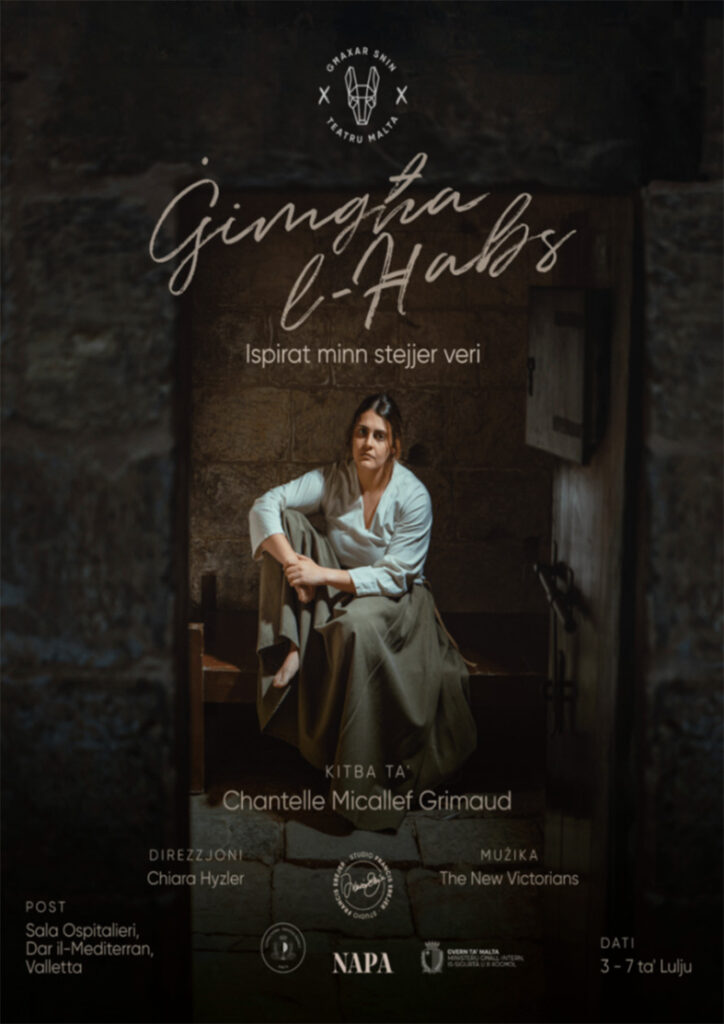
The female ensemble cast features Monique Dimech Genuis, Antonella Mifsud, Sandie von Brockdorff, Magdalena Van Kuilenburg, Ilaria Costa, Charlotte Formosa, Michela Farrugia, Maya Sessay and Martina Schembri.
The play is directed by Chiara Hyzler and features music by the sister duo The New Victorians.
Historic transcripts and prison visits
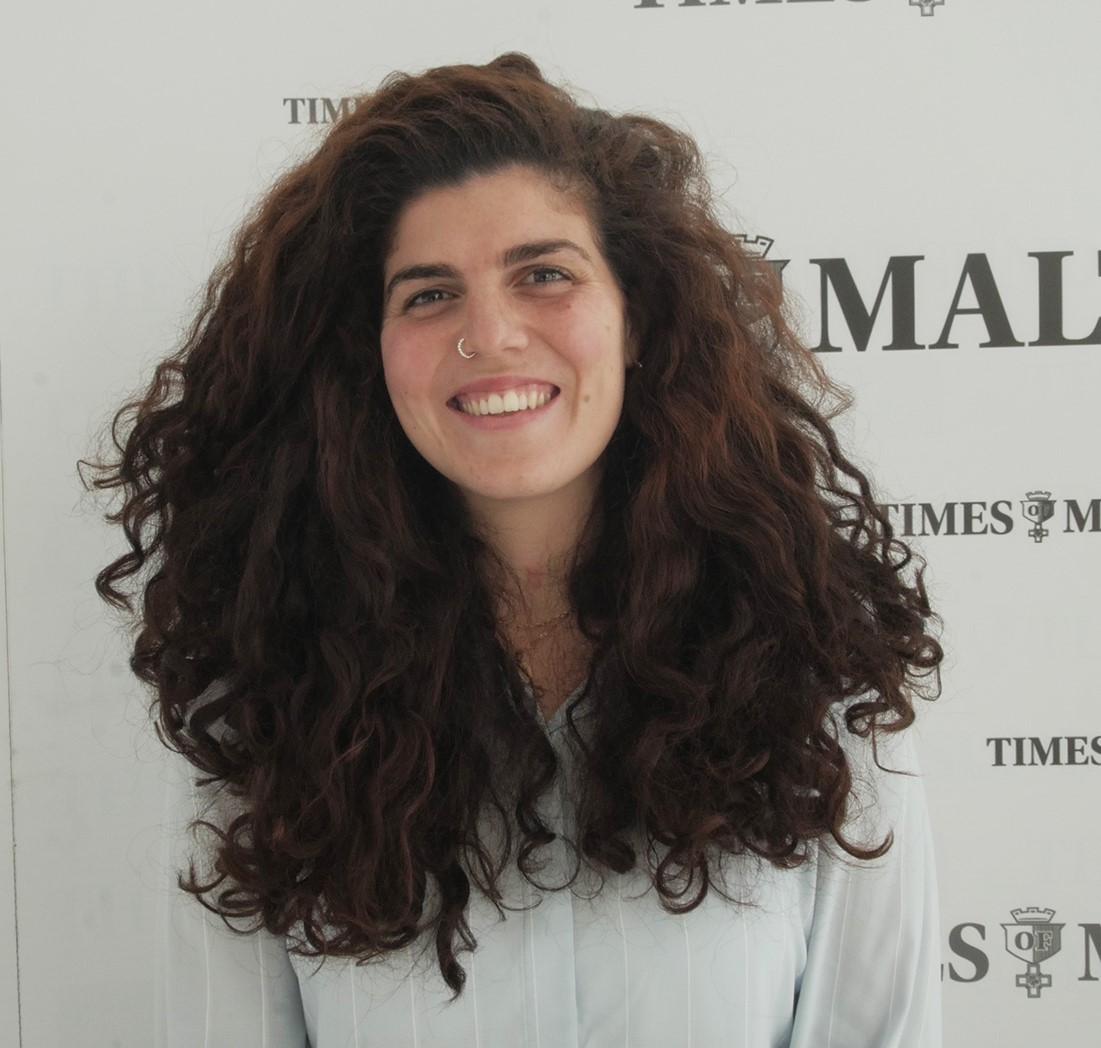
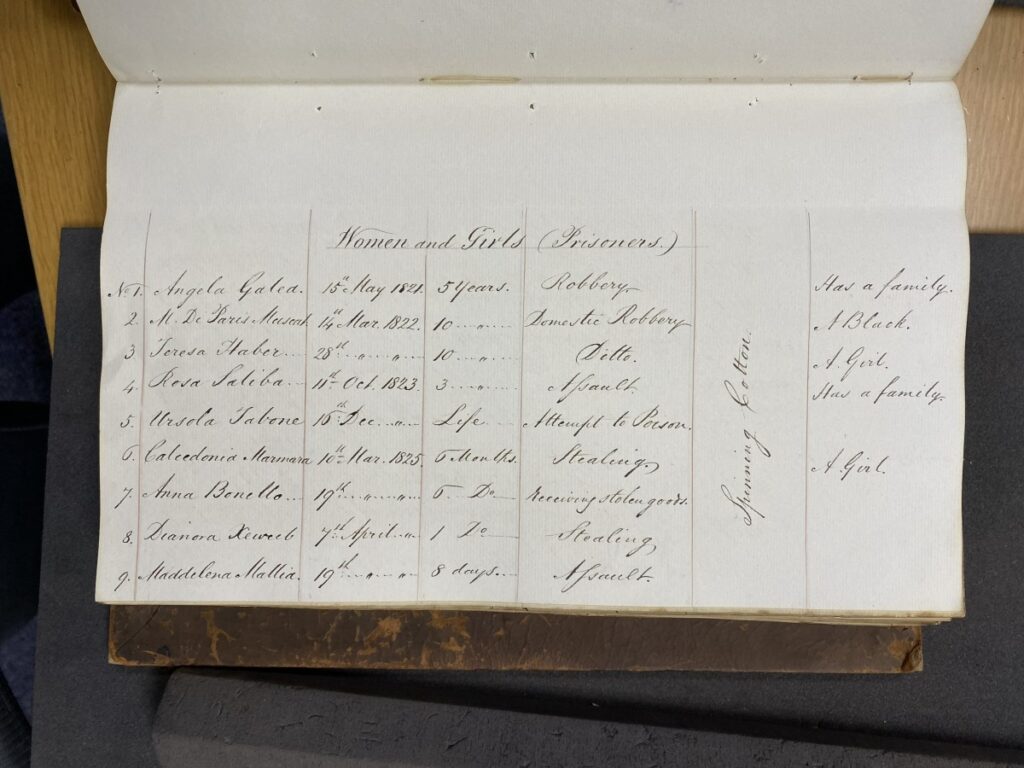
The project began for writer and creative Chantelle Micallef Grimaud six years ago, when she was researching a completely different project and came across an 1825 Crown Report providing the names and details of nine women who were tasked with spinning cotton in prison.
“I could not shake the idea of these nine women being on stage, spinning cotton, laughing, crying and doing life together in prison,” Micallef Grimaud said.
“I stumbled upon this document, and it ignited my imagination, and I was hooked. There is so much of Malta’s history we know so little about. I want to give the audience a snapshot of a week in 1825 through the eyes of these beautiful, complex and flawed women.”
After the play was granted the Francis Ebejer premiere, she took a deep dive into fully understanding what Malta in the early 1800s was like.
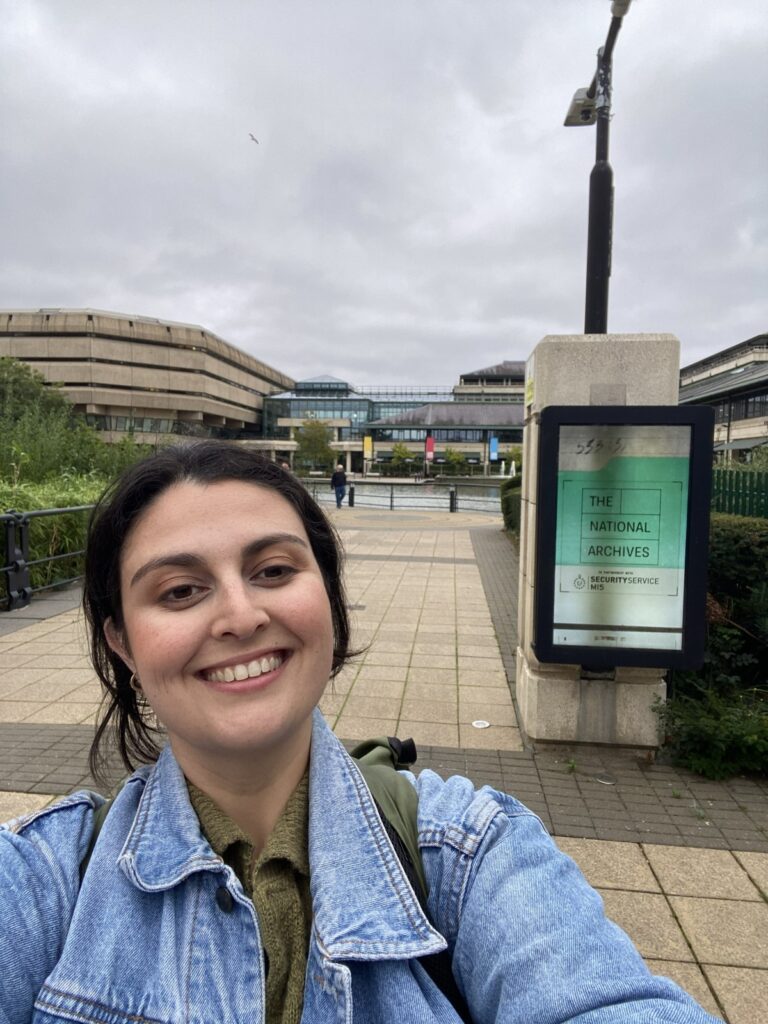
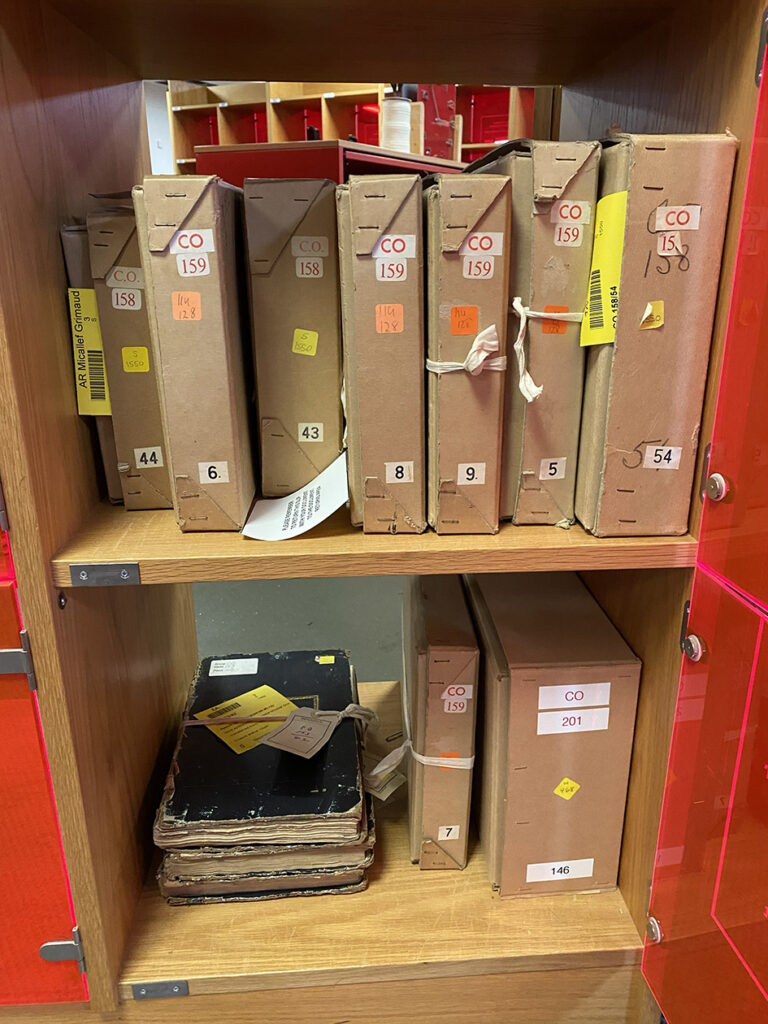
Micallef Grimaud spent many hours studying documents, newspapers and transcripts at the National Archive in Rabat and in London. She said many judicial documents are located in London, due to Malta being a former British colony.
“This was the beginning of many firsts in this project. I was working with fragile documents, handwritten notes from the people who came before us. I also found the court transcripts of seven of the nine women who were mentioned in the 1825 document.”
With help from a colleague, who helped with translations of the old Italian documents, Micallef Grimaud was able to use the information available for Ġimgħa l-Ħabs.
Apart from the research, last year, Micallef Grimaud and the creative team carried out a community outreach project in prison and held drama and creative writing workshops with 10 women inmates.
“We spent a literal ġimgħa l-ħabs, and it was one of the most challenging things I had done in my career. I am so grateful for these women who not only spoke to me one-on-one, but through the creative writing workshop, these women also helped us flesh out the characters more.”
Importance of għana and language
Għana also plays a central role in the play. During her research, Micallef Grimaud realised how much the folk song tradition was part of women’s lives in the past, as many would sing while doing household chores or spinning cotton in prison.
“I managed to find a lot of għana tal-fatt lyrics that date back to that century, and with the help of The New Victorians, we managed to give the lyrics and music a new lease of life for a contemporary audience,” she explained.
She also worked with award-winning author Clare Azzopardi to ensure that the Maltese used in the play was not too anglicised.
“While we read countless drafts and bounced ideas off each other, we wanted to make sure that the language was more lyrical, semantic and romantic, and did not sound too anglicised for the period in which the play is set,” she said.
Micallef Grimaud hopes Ġimgħa l-Ħabs will spark curiosity among the audience to find out more about Malta’s past.
“I hope people will walk out of the play curious and wanting to learn more about cotton or għana, or how they may never have stopped to think about women in the 1800s or what prison life was like. I hope they delve into the characters of these beautifully flawed women and discuss them,” she said.
“The more we learn about our history, the more we learn about ourselves, as individuals and as a nation.”
Ġimgħa l-Ħabs, suitable for an audience aged 15+, opens on July 3, with seven nearly sold-out performances until closing night on July 7. Last tickets from showshappening.com.