
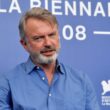


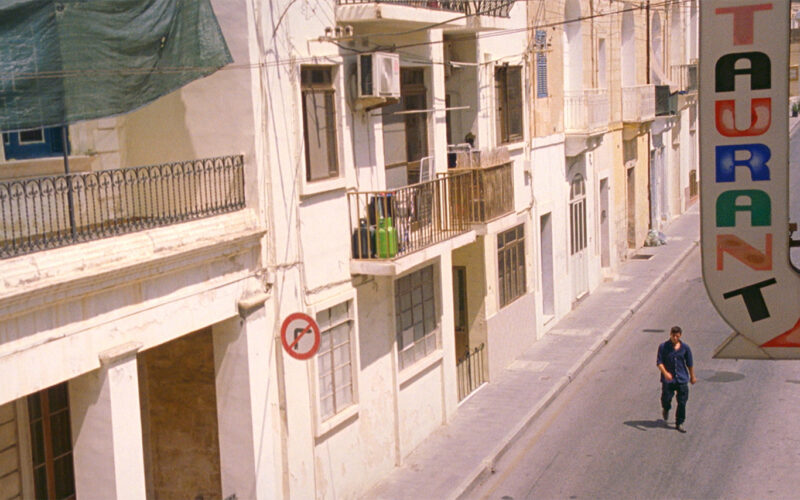
Buġibba is no longer the place Peter Sant remembers.
“It’s an area my family and I know well,” he says. “What was once a tourist and summer residence destination has undergone a significant demographic shift, with rapid population growth over a relatively short period. I’m fascinated by how we are conditioned by the environments we inhabit, and Żafżifa sets out to explore that.”
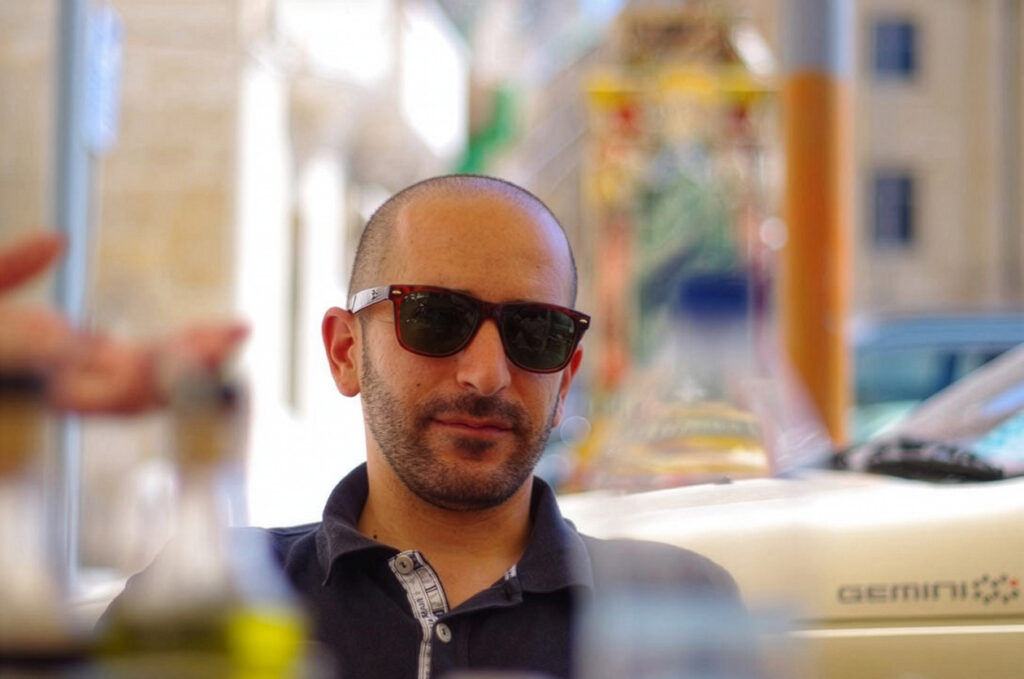
Żafżifa, which soon arrives on Malta’s big screens, premiered at the 2025 Cairo International Film Festival. As Sant’s second feature film, it follows Baħar Żmien (Of Time and the Sea) and his short film Zero.
Buġibba-set Żafżifa tells the story of Dimitros, who returns to the town to find that his old friends have moved on with their lives in a changing economy. While the setting is Maltese, Sant insists the questions the film asks are not.
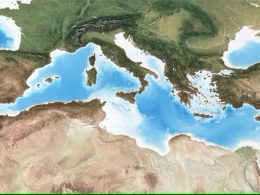
“It was never specifically about Malta or overdevelopment. Although the film was always set here, I began working on it while living in London, where I was experiencing a similar situation. In London, they call it ‘gentrification’. New apartment blocks were, and still are, going up everywhere,” he says.
“The same fundamental questions arise. Where will these people send their children to school? Where will they shop? Can the already stressed healthcare and public transport systems cope? These shifts are almost always presented as an inevitable part of progress.”
The Australian-born Maltese director recognises the parallels between Dimitros’s story and his family’s own.
“My parents, like so many others, moved to Australia hoping for a better future, with the promise of work and the ability to send money back to their families in Malta. What’s interesting is that decades later we’re seeing the same thing happen in reverse.
“People are moving here to do exactly what my parents’ generation did. As this cycle repeats itself with the changes happening in Malta today, I see my own family’s history reflected.”
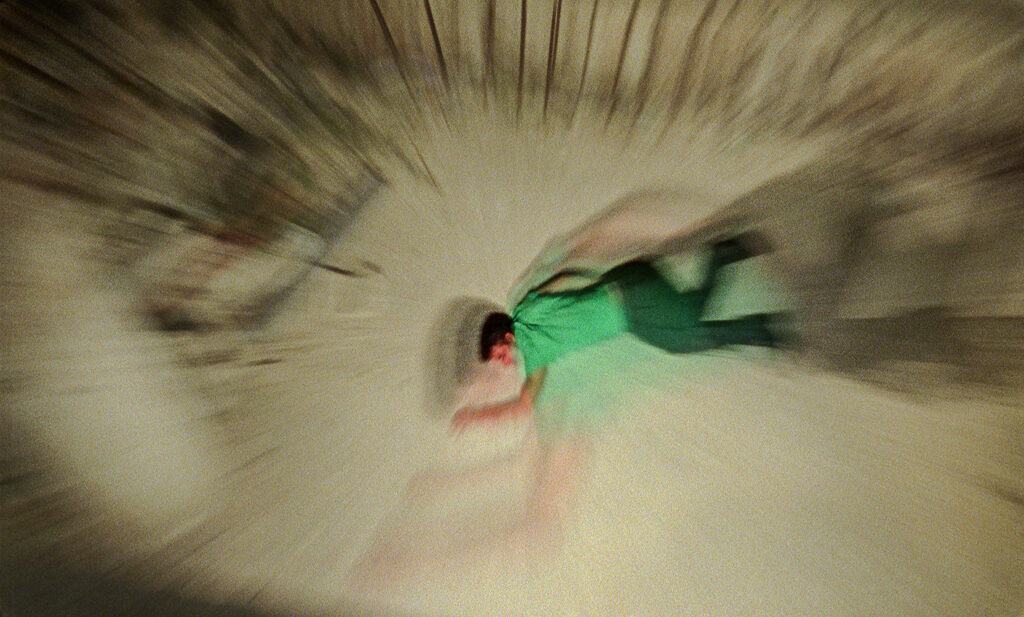
While the film explores the notion of progress, its title represents what is left when progress is rejected. Żafżifa, Sant describes, is “an obscure Maltese word for the noise produced when air oozes through a small aperture”.
The image of a deflating bouncy castle captures this theme, while emphasising the temporary nature of modern architecture.
“People are moving here to do exactly what my parents’ generation did”
“Following his decision to reject the ‘progress’ surrounding him, Dimitros’s character embodies that sensation of deflation,” he explains.
To capture both the local vibrancy and uncertainty, Sant chose to shoot on 16mm film and use open sets.
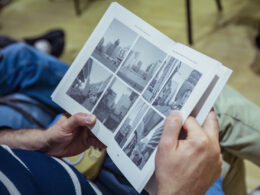
“I wasn’t interested in choreographed images or perfect lighting. I wanted the audience to feel the struggle of the film-makers and glimpse contemporary Buġibba, so anything I did to over-manage the process would have only got in the way. I soon realised I was wasting my time inventing stories; they were already there, right in front of us. All you have to do is listen.”
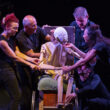
Sant cast first-time and non-professional actors – Dimitrios Giannakoudakis in the title role, Crishelle Medrano as Annie, Mehdi Aoumi as Karim and Zohaib Anjum as Rana – alongside experienced performers including the late Marylu Coppini, in her final screen role.
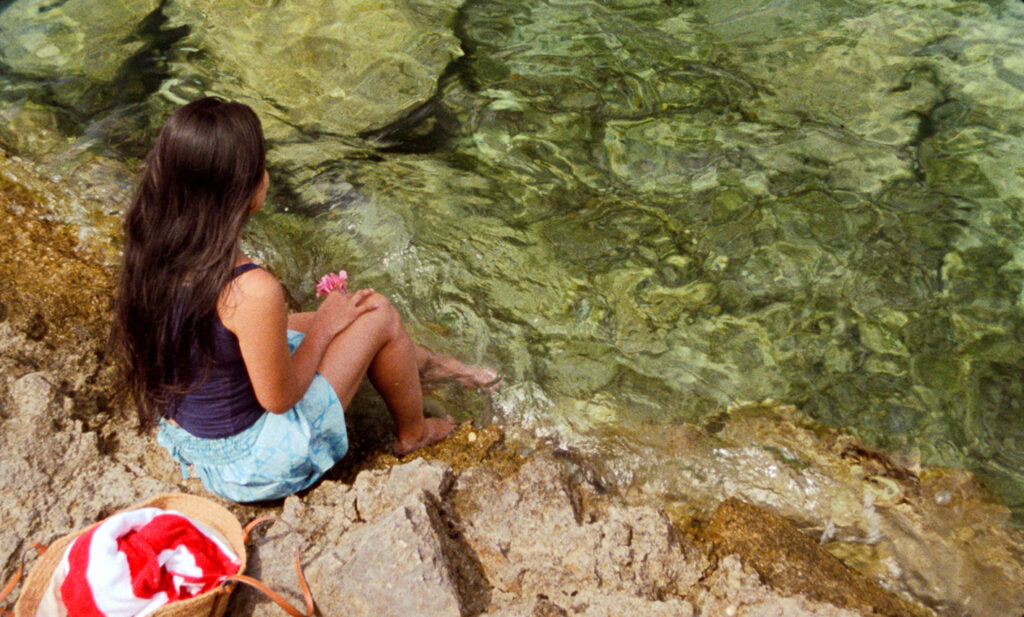
“For the character of Annie, we held sessions at a local Filipino restaurant. We asked those auditioning to tell us a story to get a sense of who they are and their backgrounds. A lot of the stories were, to our surprise, very personal,” Sant recalls.
“Some of these, including Crishelle’s, made it into the film. Certain people you meet have a specific presence – you look into their eyes and see a depth, a history. This is very hard to find if you limit yourself to actors, so we used both.”
Of Coppini, Sant adds: “She was a dream to work with. Having someone with that experience on set helped steer those with less.”
While he describes Żafżifa’s Cairo premiere as “an amazing opportunity, not only for us as film-makers, but for Maltese cinema,” for local audiences, Sant has no agenda beyond the film itself.
“I always set out to leave the films I make open to interpretation. All I can hope is that Żafżifa raises discussion regarding the issues it touches on, as a snippet of contemporary Malta.”
Żafżifa is showing in Maltese cinemas from Wednesday, May 13, at the Embassy Cinemas in Valletta, Eden Cinemas in St Julian’s and Citadel Cinemas in Gozo. This Hereonin production is supported by Creative Malta and Arts Council Malta. For more information, visit hereonin.org/zafzifa.