


Most of us move through our neighbourhoods on autopilot. We might notice traffic, construction and the occasional church bell, but rarely, if ever, stop to truly listen to the sounds around us or consider how they shape our experience of a place.
That simple act of listening formed the basis of Sonic Drift, a participatory art and research project curated by Karl Baldacchino and Kurt Calleja, which culminated with a live performance at ISSA in Ħamrun. Bringing together artists, researchers and members of the public, the project invited participants to slow down and pay attention to the urban soundscape around them.
The result was more than a collection of field recordings. It became, as the curators describe it, “an archive of emotions and perceptions” that explored the relationship between sound, memory and the city.
The project grew out of a longstanding overlap in Baldacchino’s and Calleja’s interests. Both have postgraduate backgrounds in sociology and share a passion for electronic music, but what united those interests was a fascination with the French avant-garde movement known as the Situationist International.
Active mainly throughout the 1960s, one of the movement’s central ideas was the dérive − an unstructured drift through urban space, guided by the “emotional and sensory effects of the city”. This was paired with psychogeography, the study of how places affect our emotions and behaviour.
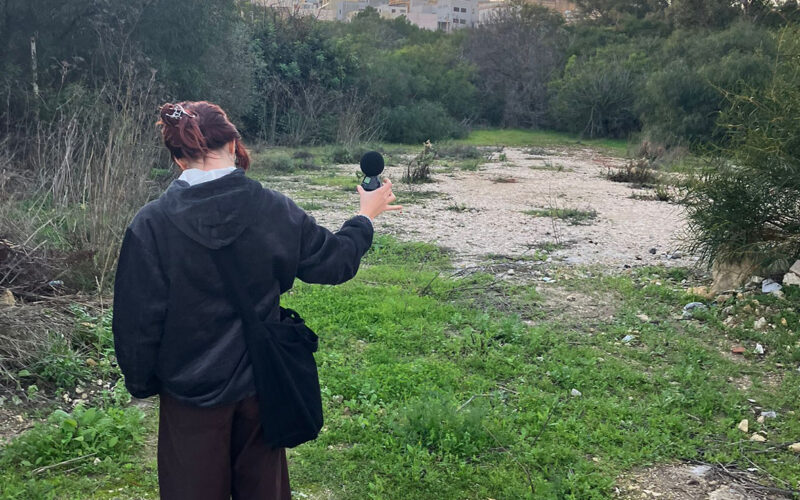
“About a year ago, Kurt and I began working together with the intention of translating some of these ideas into a research and artistic practice,” Baldacchino says. “We were interested in urbanism, but wanted to approach it in a way that was not purely academic or purely musical. Instead we chose something more unorthodox and came up with a practice that combines listening/recording and walking (often referred to as soundwalking).
“Thus, by combining the dérive-like movement through urban space and the recording of urban sounds as we go along, Sonic Drift became a way to investigate how sound and place are socially experienced in real time.”
‘Not a passive act’
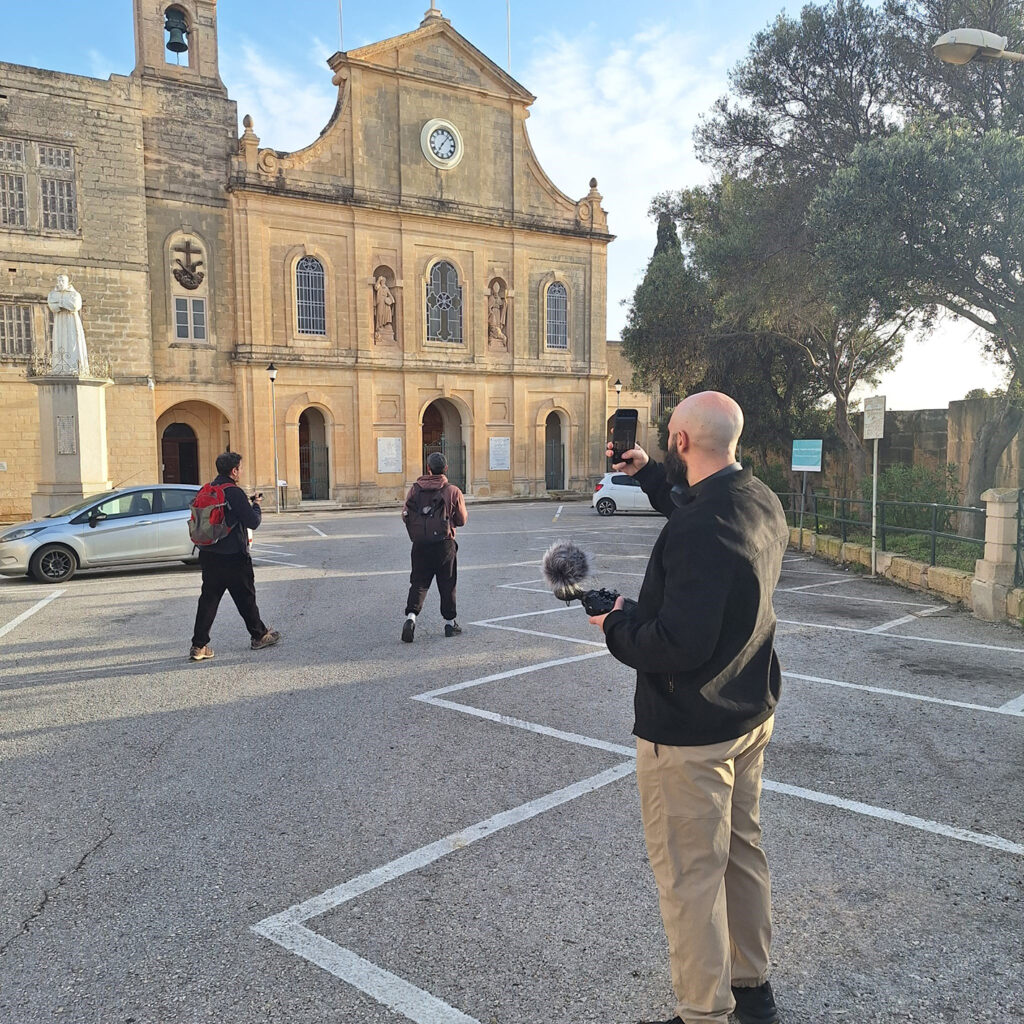
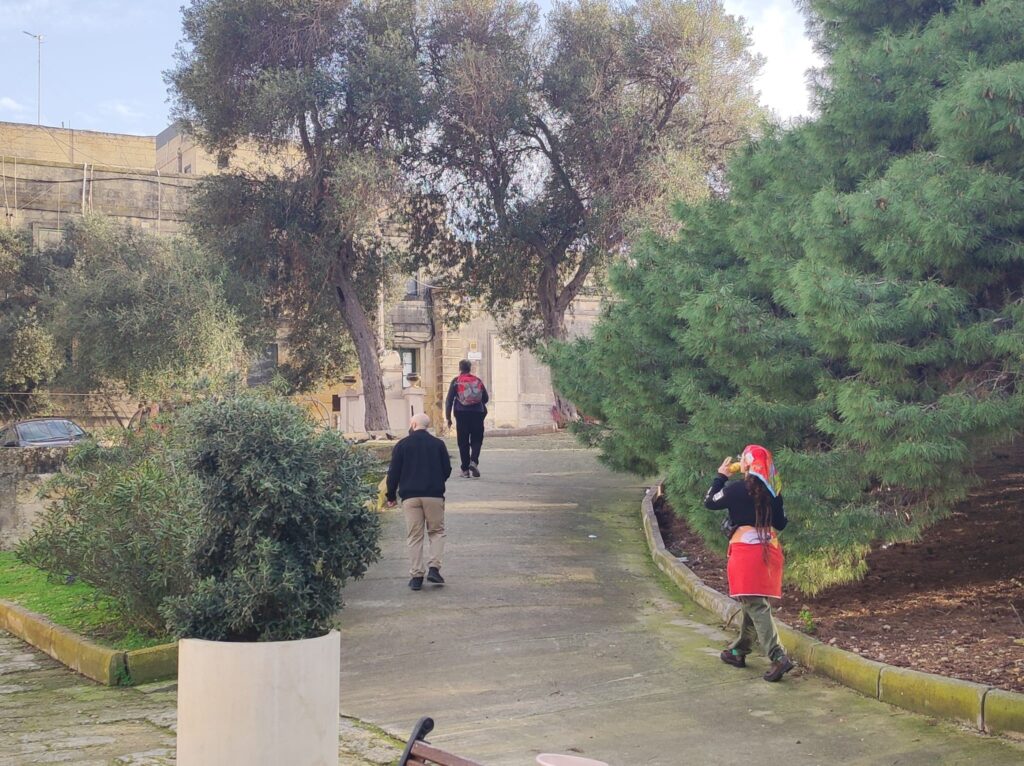
Two public soundwalks were organised, led by sound artists Kurt Buttigieg and Jamie Barbara. One explored Floriana and Marsa, while the other took participants through Paola and Fgura.
Rather than following a conventional guided tour, each dérive unfolded differently, depending on the artists’ prompts and their chosen paths.
The project revealed something many participants had never consciously considered: listening is not a passive act.
“The feedback was remarkably consistent,” Calleja says. “Many described becoming aware of sounds they would normally ignore, recognising listening as an active way of engaging with urban space rather than a passive sensory process.”
Participants reported that traffic-dominated areas often generated feelings of stress and sensory fatigue, while quieter, post-industrial areas and liminal spaces encouraged “reflection, attentiveness and emotional connections”.
“Many described becoming aware of sounds they would normally ignore, recognising listening as an active way of engaging with urban space rather than a passive sensory process”
Group discussions also expanded beyond sound itself, prompting conversations about memory, belonging, urban development and the value of preserving overlooked areas and their potential social and ecological use.
But perhaps the most surprising finding emerged during the second dérive.
“Participants instinctively sought out quiet and underused spaces… demonstrating that the search for sonic relief can be as meaningful as the search for sound,” Calleja says.
He adds that equally significant was the discovery that post-industrial and in-between environments, often dismissed as residual or neglected, emerged as acoustically rich spaces that encouraged “reflection, memory and civic dialogue”.
“These findings reinforced the idea that listening is both a social and political practice, capable of revealing hidden qualities of urban environments and generating new forms of collective understanding.”
Live performance
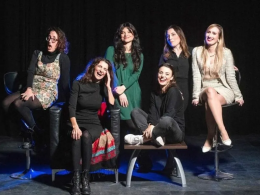
For the live performance at ISSA, sound artists Barbara and Buttigieg transformed the participants’ soundwalk experience into immersive ‘sound works’ through live electronic and electro-acoustic manipulation.
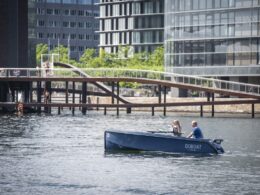
The duo used audio material collected during the dérives − such as the steady hum of traffic, electro-acoustic textures derived from infrastructural and electrical sounds, and submerged sounds, captured from the sea using specialised microphones, together with everyday human activity − and shaped them into layered compositions.
“In this way, the city remained a subtle co-creator, with its rhythms and contrasts gently brought to the fore,” Calleja says.
Familiar sounds − church bells, distant conversations and children playing in public spaces − surfaced throughout the performance, grounding the abstract compositions in recognisable fragments of everyday Maltese life.
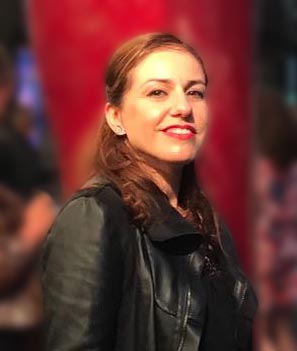
Alongside the performances, Serendipity, a series of short films by Lara Manara − a project participant with an MFA in digital arts and a BA (Hons) in fine arts – was shown.
Although created before Sonic Drift, the works shared its underlying philosophy. Rather than carefully planning each shot, Manara allowed instinct to guide her camera, “capturing fleeting, often overlooked moments”.
The films thus became a visual counterpart to the project’s focus on “attention, perception and the lived experience”.
‘Collective awareness’
As Sonic Drift comes to an end, Baldacchino and Calleja are more than happy with the outcome of their research.
“Sonic Drift successfully foregrounded listening as a shared, reflective practice and revealed how participants relate to and interpret the environment through sound,” Calleja says.
“The outcomes were not measured in fixed results, but in the depth of engagement, the diversity of responses and the collective awareness that emerged.”
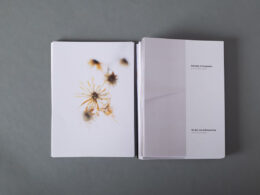
The walks were documented on social media, while a printed zine, designed by Isaac Azzopardi at Garigue Studio, was launched during the performance night.
Baldacchino and Calleja are also preparing an academic paper based on the research, which they hope to publish in a peer-reviewed journal later this year.
Sonic Drift is supported by Arts Council Malta and APS Bank.