

The billboards promised to take us beyond, together. Join us, they said. The nationwide marketing boasted 30 films from 18 countries, and a quick online check showed films from Italy, Spain, Tunisia, Cyprus, North Macedonia, Egypt and Morocco, which augured well for cohesion in a film festival that refers to the Mediterranean in its name.
A further look at the films selected by Mark Adams, the British programmer, and one could deduce that the film festival extended its ambitions beyond the region, to screen high(er) budget films from the US, Britain, China and Australia.
The only question was: Where was the national film section? One feature length co-production (Austria and Malta) does not make a section.
The festival offered a number of outdoor screenings, the highlight of which was Broken English, screened at the Upper Barrakka Gardens in Valletta on June 21. Exploring the life of charismatic singer-songwriter Marianne Faithful, directors Iain Forsythe and Jane Pollard inform us that she passed away before filming was completed, making the film a marked tribute. This made for a wonderful night of cinema, capturing the essence of Mediterranean film festivals, though albeit a little flat once the screening was over.
Unclear if there was a gathering place where filmmakers and audiences could come together, it turned out they were saving togetherness for a private party on a floating barge. The Valletta hub did offer aperitifs on the rooftop if that is, you had heard about it. With no seating options and a paying bar, this did not turn out to be the nexus of the event.
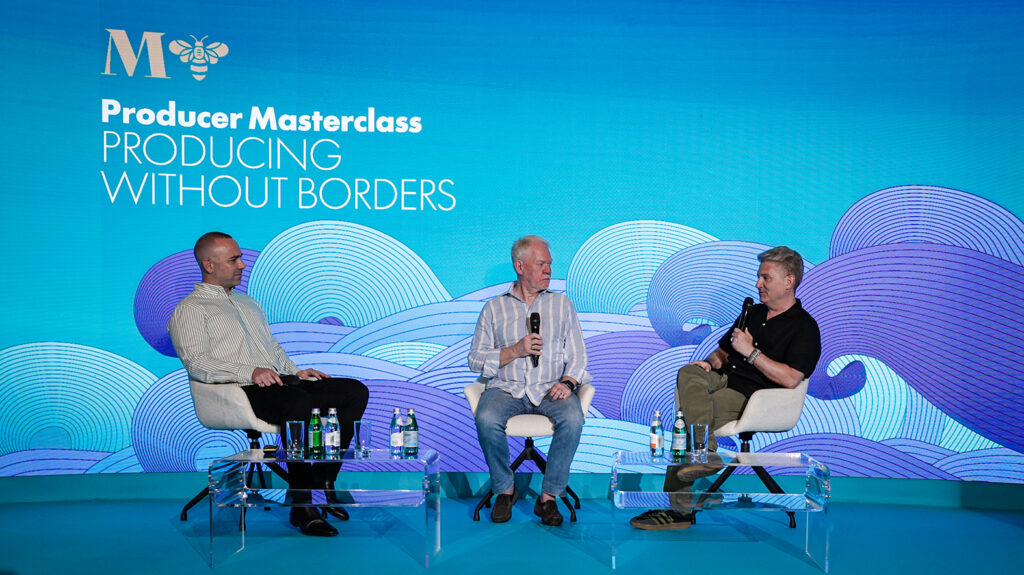
In the afternoon of June 23, many gathered to attend the panel discussion Building for Tomorrow. The session was moderated by Chris Gardner, senior writer at The Hollywood Reporter, who claimed to not be great at moderating, but did a sterling job.
According to the website “Malta has moved first. The Malta Land Sea Super stage… is one of the most ambitious infrastructure propositions in European film history.”
The panel speakers included Glenn Gainor, CEO, Hollywood Ventures Group, former head of physical production, Amazon Original Movies, and Sandy Climan, co-founder, Hollywood Ventures Group, former president of Worldwide Business Development, Universal Studios, in discussion with film commissioner Johann Grech, who said: “I want to send a message to the world: we mean business here… we want more films, we want the big movies… the best is yet to come. Amidst pledges for the future, statistics and percentages, all those on the panel agreed with Gardner’s statement that Malta enjoys an ‘established global reputation’.”
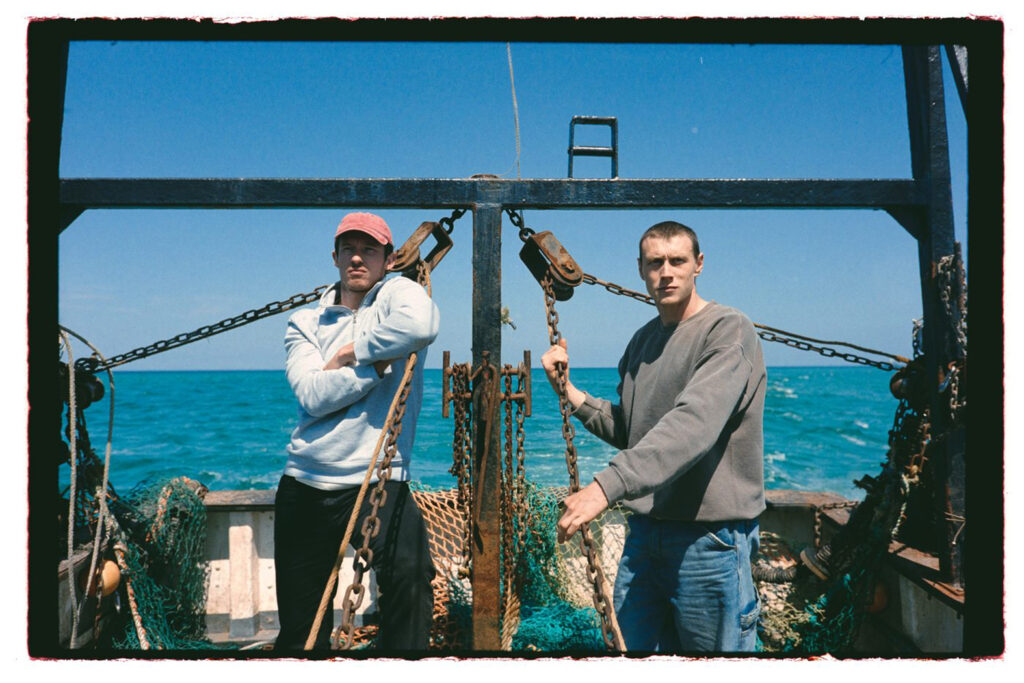
Overall, attendance appeared to be up. Rose of Nevada, shot on 16mm, was the standout film. Exquisite, uncanny and out of joint, this film by Cornish film-maker Mark Jenkins, stars Callum Turner of Dua Lipa fame, and the mesmerising George McKay. But what did the jurors think of the selection?
The Golden Bee Awards held on Sunday evening, June 28, at the Film Studios, brought the festival to a close. Steven Soderbergh’s film, The Christophers, was awarded ‘Best Feature Film’, while Tunisian Leyla Bouzid’s film, In a Whisper, won ‘Best Mediterranean Film’, certainly an oversight for local film.
A thousand guests enjoyed drinks and canapés as the sun set, but the guests of honour were nowhere to be seen, another lost chance for Malta’s film-makers to network in an intimate setting.
At 9pm we made our way, via backstage, to the tiered seating, where British comedian Jack Whitehall was our host for the night, and he kept us buoyant and entertained for three-and-half hours. In his short time in Malta, he’d picked up the word ‘bomba’, which he threw out to the audience, hoping for a reaction.
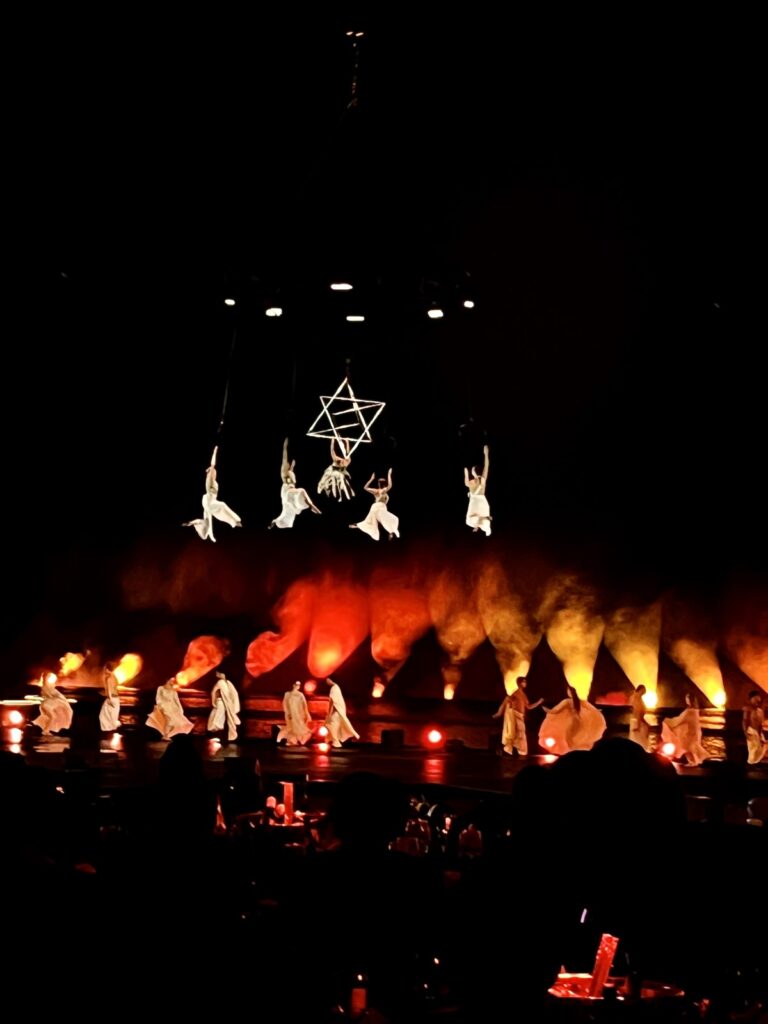
As the night progressed, Whitehall’s temperament shifted. His best jokes, such as the one about shooting Gladiator, Munich, and rabbits, seemed to go over the heads of many. It was hard to feel connected to the Cirque du Soleil-sur-mer extravaganza, which culminated with a stunning performance by Destiny, who was soaked by the performers splashing about in the tank.
Whitehall took to the stage once more, mop in hand, and stated that Johann [Grech] was his brother from another mother.
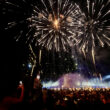
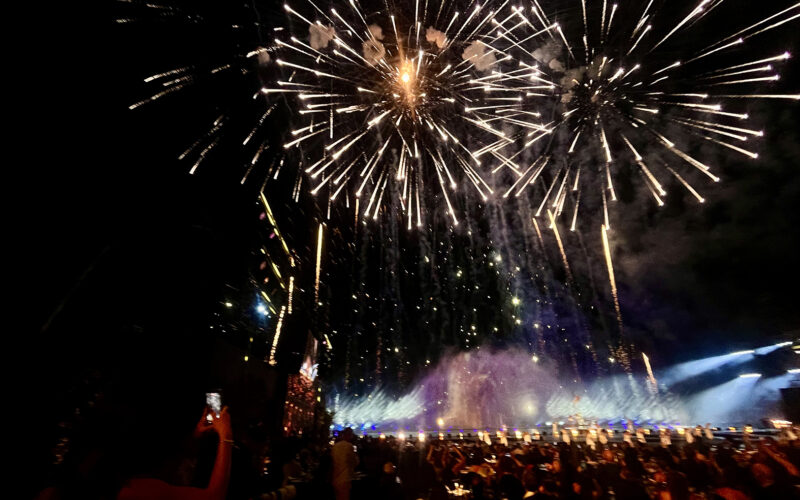
As the night drew to a close, we thought we had seen it all − fireworks, waterworks, floating pianos, giant moons, a swarm of drones working for their queen bee, Joseph Calleja’s rendition of Edith Piaf’s Hymne à l’amour, giant tongues of flame that must has singed some eyebrows off of the industry cream − but there was one more surprise to come.
After pretending that the commissioner had fallen into the tank, Whitehall assured us that all was well with the “Valletta Vin Diesel”, and then Grech took to the stage.
“Tonight is a testament of what Malta can do… I have repaid your faith in me… Malta will never stand still!” he exclaimed.
Rather abruptly, clips of the formidable John Cleese in Fawlty Towers and Monty Python appeared on the screens. At 0.30am, Cleese floated out onto the stage in an armchair to receive the Icon Award. Despite it being a rather faulty hour to wheel an octogenarian onto a slippery stage, with the aid of a stick, he walked to the microphone.
“I accept this award with huge humbleness,” he said. He talked about the art of comedy: “A dying comedian is asked if dying is hard, to which he replied, dying is easy, comedy is hard.”
“Two icons of cinema on stage together, John Cleese and Johann Grech,” exclaimed Whitehall, and so the evening reached a crescendo, reminding us all that comic timing beats sheer volume every time.