




Puppetry is an ancient performing art, with diverse origins and traditions all over the world.
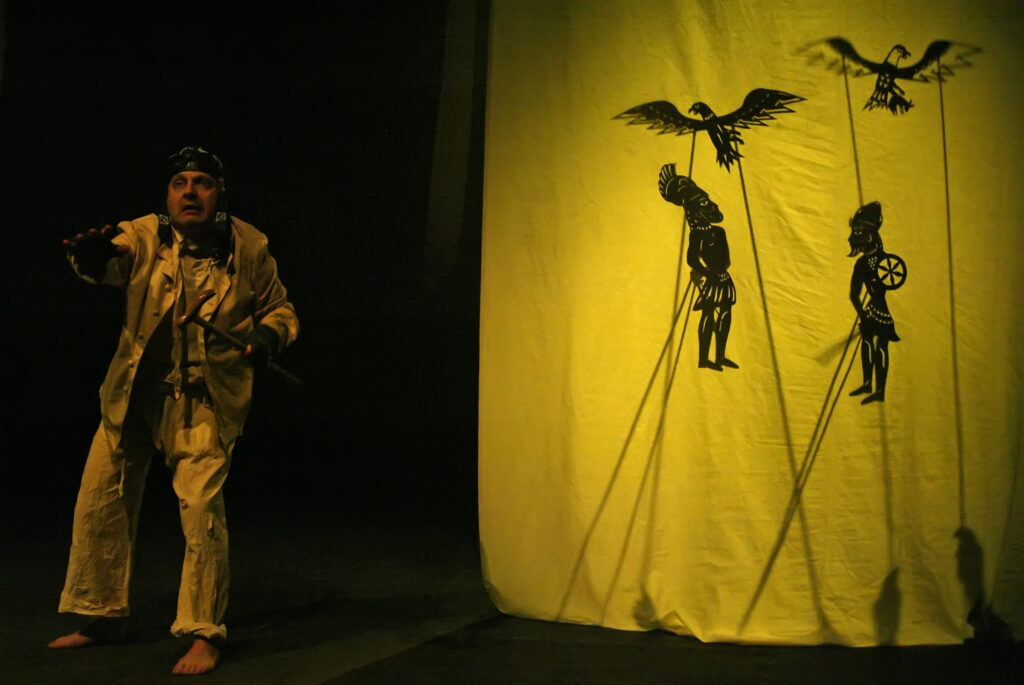
Theatre Anon started using puppets in their very first production – Voltaire’s Candide, in 1994. The company draws upon eastern and western traditions of puppetry, from shadow puppets (for example, in Agamemnon in 2006) to tabletop puppets and everything in-between. They have spent decades researching and experimenting.
Founding members Liliana Portelli and Pierre Stafrace describe it as a continuing process, staying updated through courses and sharing practices with an international community of puppeteers.
Portelli identifies adapting a poem by Immanuel Mifsud (Daqsxejn ta’ Requiem lil Leli (2024), as a milestone, with the puppet as the main character: “Paul Portelli [another Theatre Anon member] spent a whole year working on that puppet, working out how to create it.”
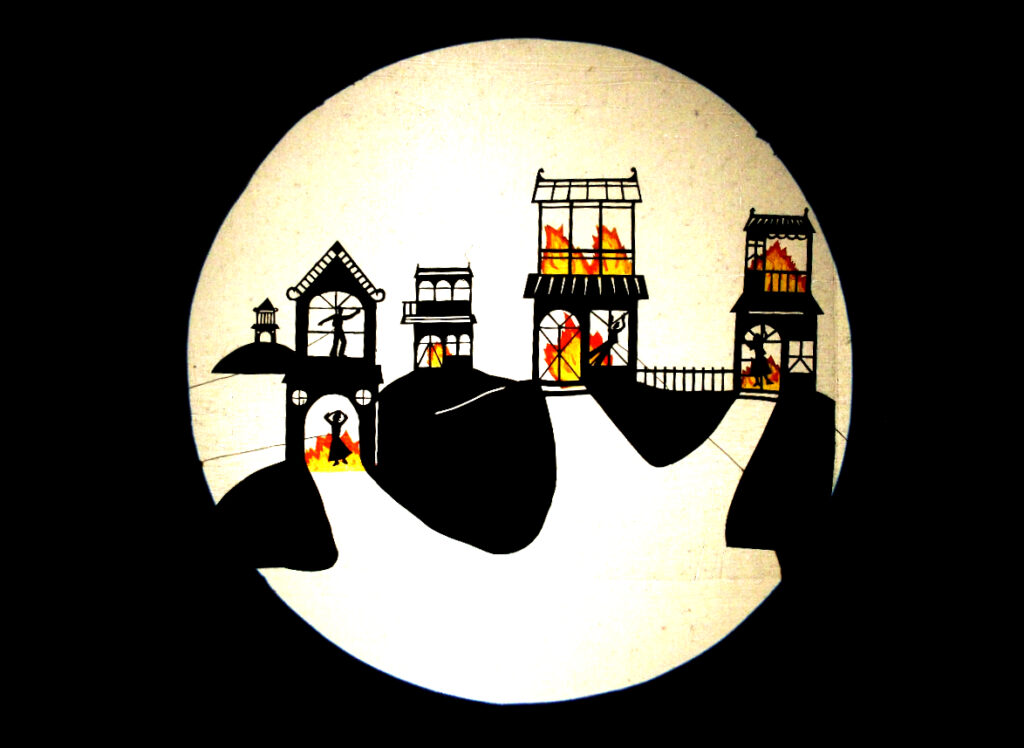
The body: the puppeteer and the puppet
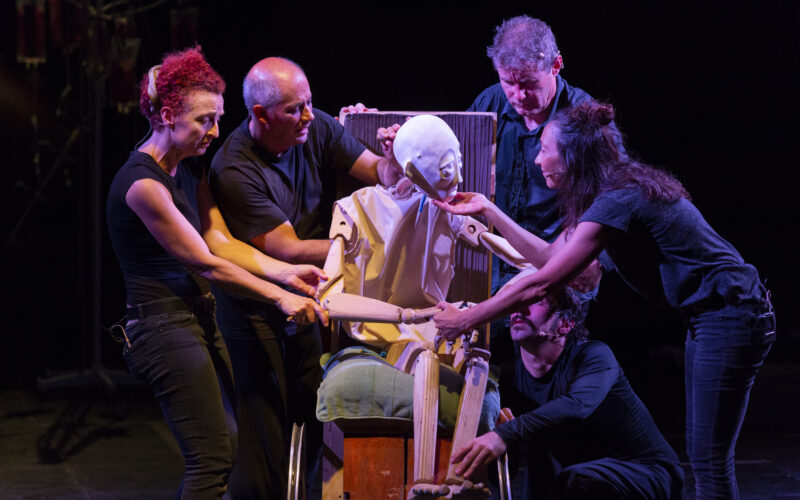
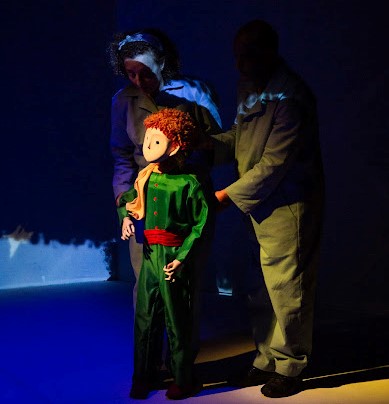
Stafrace underlines that “rehearsal of the puppeteer is as important as for any actor”. The art of manipulating puppets requires learning to move differently. The puppeteer’s whole body moves purposefully, in a way that decentres the human actor – to the point where, Stafrace suggests, the audience “forgets” the puppeteer.
Each puppet makes its own demands. Large puppets would have more mechanical parts and may need more than one person to operate them – the large puppets used in street parades are “very often not held, but pushed, [e.g.] on wheels”.
Puppets have their own ‘bodies’, and designing and building them is an intricate craft. Portelli notes: “The thing about puppetry is, how can you design it to move it in the way that you need it to, to tell the story?”
Stafrace notes the meticulous attention devoted to crafting every part, with an eye on the way each will eventually work in relation to the whole, as well as to the puppeteer’s manipulation and – ultimately – the desired audience response.
“A lot of consideration about the movement of the smaller parts, e.g. the mouth, depends on the emotion you want to convey to the people and the way people relate to them.”
Interestingly, puppets can be as human or non-human as one wishes: “Anything could be a puppet – anything”, says Stafrace.
“Even the most inanimate of objects, if you project onto it life, gravity, breath, focus – the way you use an object, can change that object into a puppet.”
Theatre Anon’s puppets have included human body parts: from a choir of heads in Candide, to bodily organs for Jamie Cardona’s Noti Mil-Loki Ta’ Big G’s (2026). The puppeteer’s art extends to characterisation. Portelli points out that even in this case, the organs were “still designed to bring out their different characters – so that the puppeteer can convey character through a simple movement”.
Connecting with puppets
Puppetry does not typically invite association with realism, but, as the duo describe it, it enables an alternative means of engagement with reality. Stafrace notes that the puppeteer’s role “makes a big difference; because that is when people believe the puppets are alive – moving the puppet to bring it to life is very important”.
He points out that the puppeteer is frequently visible, so they would engage their voice and sometimes facial expressions in the service of the performance. This again allows for variations: “There is a choice – sometimes they can be totally deadpan, but sometimes they are expressing the same emotions, reflecting the movements of the puppet,” Portelli says.
A puppet’s movement may not be entirely ‘natural’, but it is a storytelling medium that communicates through “vivid images, not realistic, but effective and evocative,” she says.
Stafrace postulates that an audience can often “relate [the puppet] to someone in their memory” – triggering “a kind of emotional memory”.
The two agree that puppets can convey a range of emotions. In their experience, children make for particularly rapt audiences.
“For kids, puppets tend to make quite a strong impression, because it’s a bit magical – beyond the ordinary – it takes them to a different realm, something they can imagine,” Portelli adds.
Community
Puppets have a longstanding history in popular performance, including street and community theatre. Theatre Anon has participated in the Gozo International Puppet Festival in the village of Għarb. Such festivals feature a mix of huge puppets manipulated by a team of performers, alongside smaller-scale puppets worn or manipulated by one person.
As Portelli points out, some puppet shows or large-scale puppets take months to develop and the puppeteers deliver virtuoso performances, much to the delight of the crowds.
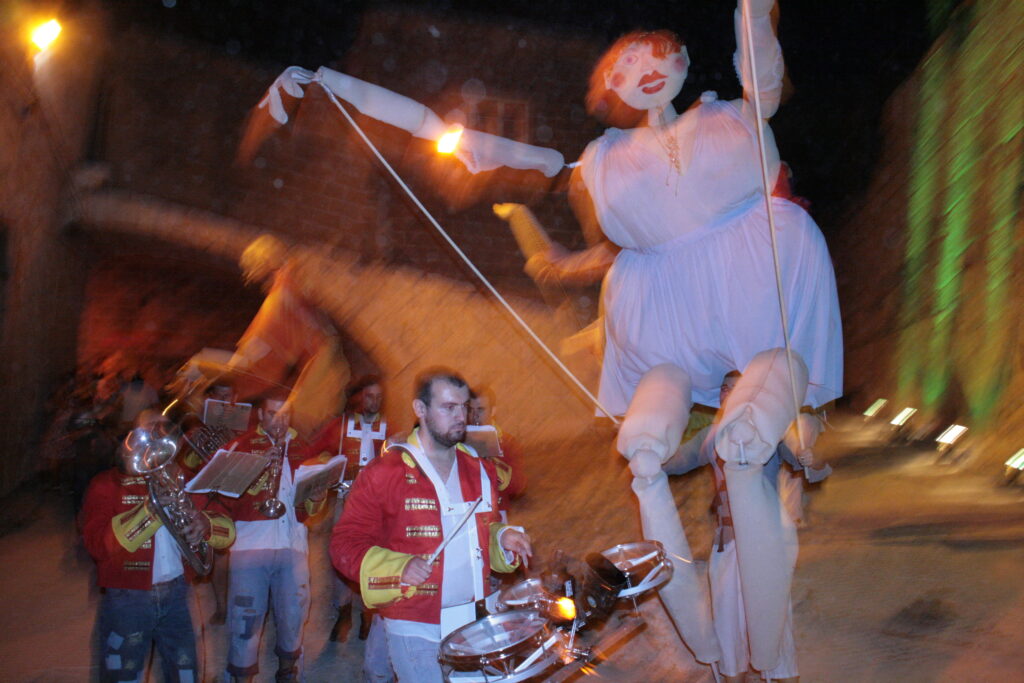
In their site-specific piece Ospizio (2010), Theatre Anon created a carnival parade using enormous puppets in the style of Peter Minshall, enlivening the public space.
“It was a surprise for the audience when these huge puppets appeared; they were dancing to live band music; in a carnival atmosphere, puppets give a strong vibe and can really carry the audience along,” Portelli says.
Theatre Anon remains committed to the participatory and community spirit, recently organising puppetry and music workshops as part of Hut 7 Collective’s ‘Imagine Together’ event for Refugee Week.
Versatility
One key takeaway from the interview is the versatility of puppetry. Theatre Anon has used puppets to “help us overcome certain challenges, because we may not have enough people, or enough resources”.
Puppets are used in various settings, including educationally; and across genres and media – film, TV, as well as live performance. Puppets could make up the whole cast, or they could interact with actors playing other characters. Pierre astutely notes that “the puppets become like actors themselves”.
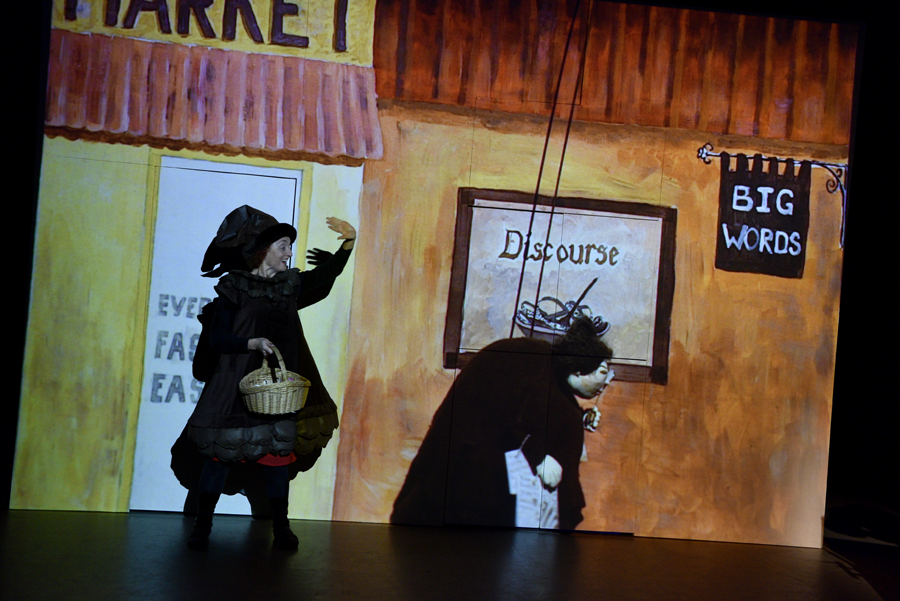
Puppets also come in all sizes – at the other end of the scale from the puppets in Ospizio, Theatre Anon used tabletop puppets in Land of the Big Word Factory (2017), where light was used to cast life-size projections of puppets onto a screen, facing actors positioned before the screen.
As Portelli notes: “Puppets can be anything, from the smallest item to the biggest object. I think it is really up to the puppeteer to be creative and imaginative.”
Liliana Portelli and Pierre Stafrace are offering puppetry workshops at the Malta Society of Arts. More information on the course and how to register are available here.