



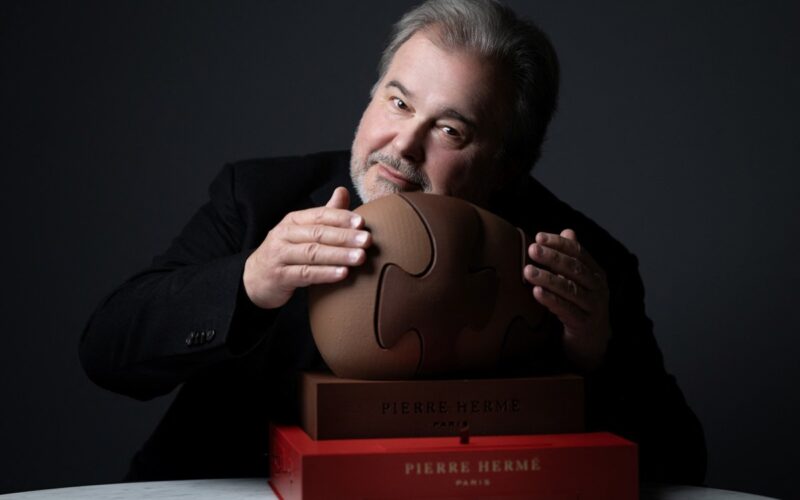
Pierre Hermé, the French master of macarons, says he was inspired to build his multi-country empire selling the sugary French treats by a desire to reinvent an object he felt was boring.
Starting out his career aged 14, he discovered macarons, two halves of light almond biscuit separated by a sugary aromatic filling, while working at high-end Parisian brands Fauchon and Laduree.
“We made vanilla, chocolate and coffee, and very quickly I realised I didn’t like that. It bored me,” he said in an interview.
Descended from a long line of bakers and pastry chefs from Alsace in eastern France, Hermé founded his own brand in 1997, calling it “Pierre Hermé” and adopting the language and look of high-end fashion labels.
His first store was in Tokyo before another one followed in Paris.
Unexpected flavour pairings became his signature, such as the famous Mogador − milk chocolate and passion fruit − or Ispahan, a bestseller combining raspberry, lychee and rose.
“What has made me successful over the past 50 years? Audacity”
“Overnight, I was selling almost nothing else,” he explained.
His shops can now be found everywhere from Jakarta to Tashkent.
The man dubbed in the press “the Picasso of pastry” presides over 110 outlets worldwide.
“What has made me successful over the past 50 years? Audacity,” he said.
‘Lack of meaning’
Aged 64, he no longer touches a spatula at work, but he happily cooks at home in Paris where he has a 2,000-bottle wine cellar.
He also travels extensively and collects art.
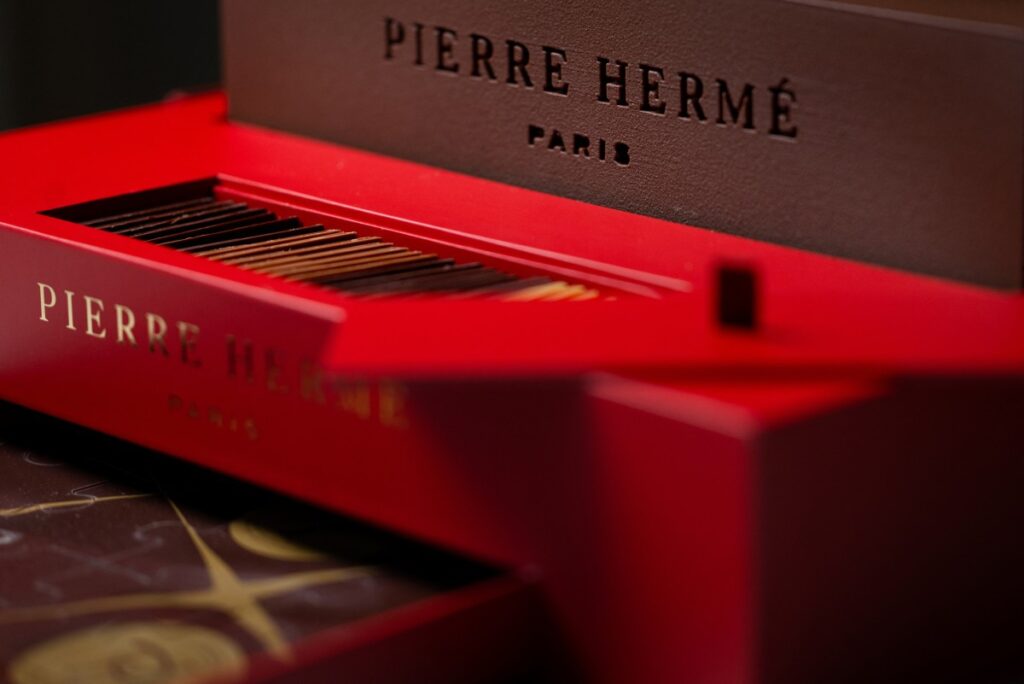
Having come of age long before the internet and social media, Herme is disdainful of some of the influencer-driven trends in food nowadays that others see as helping promote home cooking and innovation in the kitchen.
“What particularly annoys me is the lack of meaning. There’s noise, but no meaning in the creation,” he comments.
He has various industry roles including president of a World Cup for dessert-making and vice-president of the leading global association of pastry chefs, Relais Desserts.
He is also preparing a bid to have French pastry-making expertise recognised as part of UNESCO’s Intangible Cultural Heritage.
His priority is to ensure his brand continues to thrive despite the well-known risks of over-expansion that can see standards fall for consumers.
“Let’s say I prefer long-term work to short-term results. Recognition lasts; fame is fleeting,” he added.